Search Results
857 results found with an empty search
- Cuban Culture Guide: Beyond the Tourist Resorts
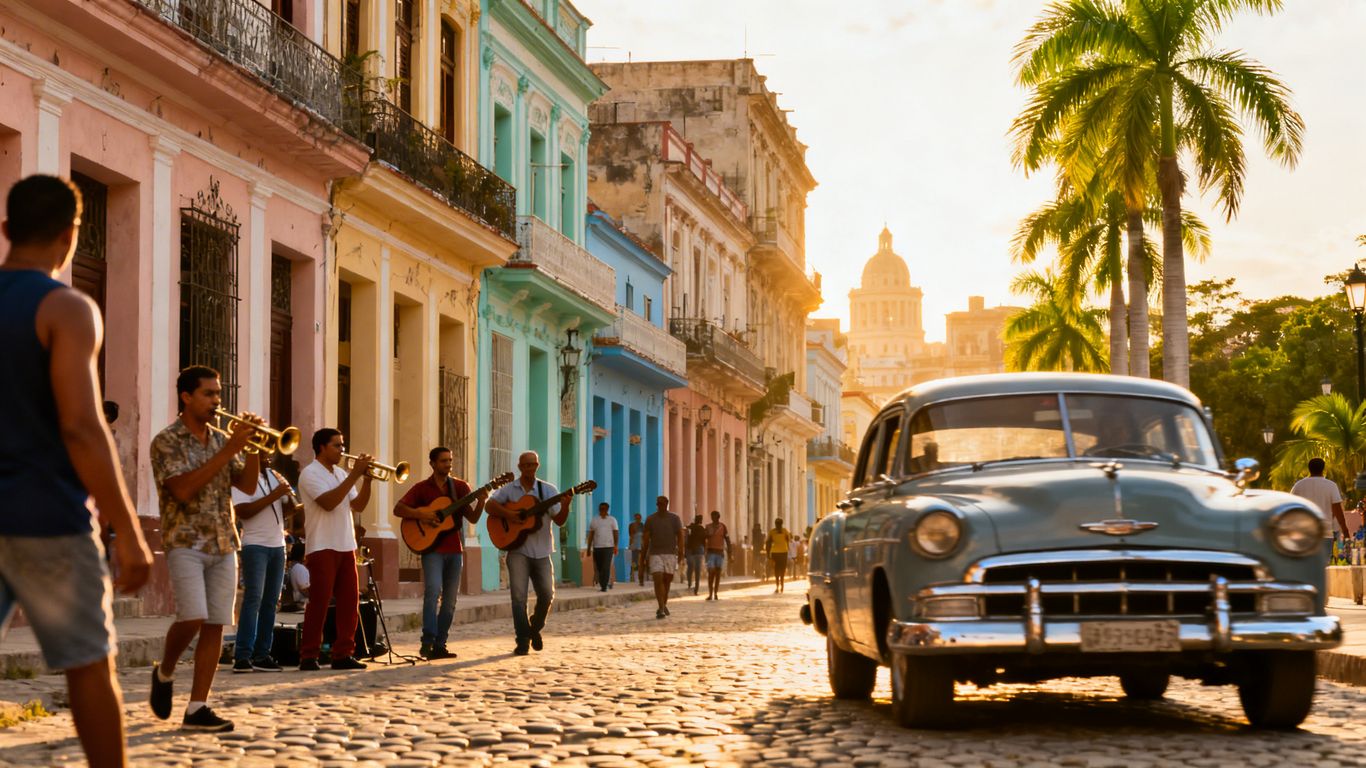
Thinking about visiting Cuba? It's a place that gets a lot of attention, but it's easy to just see the tourist spots and miss the real deal. This guide is all about digging a little deeper, beyond the beaches and the classic cars. We'll look at what makes Cuban culture tick, from the music that fills the streets to the food that locals actually eat. Forget the resort brochures; this is your Cuban culture guide to experiencing the island like you're really there. Key Takeaways Cuba's culture is vibrant and resilient, best experienced by looking beyond typical tourist attractions. Music and dance are central to Cuban life, reflecting the people's spirit and energy. Authentic food experiences can be found in paladares and local eateries, offering a true taste of Cuban hospitality. Exploring street art provides a unique perspective on Cuban history and social commentary. Genuine connection with locals, through small gestures and open conversation, enriches the travel experience. Unveiling the Soul of Cuba: A Cultural Expedition Beyond the Postcard: What the Guidebooks Don't Tell You Forget those glossy brochures for a second. Cuba isn't just vintage cars and sun-drenched beaches, though it's got those in spades. It's a place that hums with a life force all its own, a vibrant tapestry woven from resilience, passion, and a whole lot of rhythm. The real magic happens when you step off the well-trodden tourist path and let the island reveal its secrets. Think of it as a treasure hunt, but instead of gold, you're finding genuine smiles, impromptu music sessions, and stories that’ll stick with you long after you've left. It’s a place where the past isn't just remembered; it’s lived, breathed, and sometimes, just barely held together with sheer ingenuity. Prepare to be surprised, maybe a little bewildered, but definitely enchanted. The Rhythms of Life: Music, Dance, and Unbreakable Spirit If Cuba had a heartbeat, it would be music. From the moment you arrive, you'll feel it – a pulse that gets under your skin and makes you want to move. It’s in the air, spilling out of open doorways, echoing down cobblestone streets. This isn't just background noise; it's the lifeblood of the nation. You'll see it in the way people sway to a salsa beat, the effortless grace of a rumba dancer, the soulful strum of a guitar. Salsa: Forget your awkward wedding reception moves. Cuban salsa is a conversation between partners, a playful dance that’s as much about connection as it is about steps. Rumba: This is where the raw, earthy spirit of Cuba truly shines. It’s a powerful, percussive art form with roots in African traditions. Son Cubano: The grandfather of salsa, this genre is a smooth blend of Spanish guitar and African rhythms, perfect for a relaxed evening. It’s this spirit, this refusal to let circumstances dim their light, that truly defines the Cuban people. They find joy, create beauty, and keep their culture alive with an infectious optimism that’s nothing short of inspiring. Cuba has a way of getting under your skin, not just with its beauty, but with its people. They possess a remarkable ability to find happiness and express themselves creatively, even when life throws curveballs. It’s a lesson in living fully, no matter what. A Taste of Authenticity: Culinary Adventures Off the Beaten Path Sure, you can find tourist traps serving up bland versions of Cuban classics. But why would you? The real culinary journey in Cuba is found in the unexpected places. Think tiny, family-run eateries, bustling local markets, and the aroma of slow-cooked goodness wafting from a paladar. Here’s a little taste of what awaits: Ropa Vieja: Shredded beef so tender it practically melts, simmered in a rich tomato sauce. It’s comfort food, Cuban style. Moros y Cristianos: Black beans and rice, a simple yet perfect pairing that’s a staple for a reason. Tostones: Twice-fried plantains, crispy on the outside, soft on the inside – dangerously addictive. Don't be afraid to ask locals for recommendations; they know where the best food is hidden. Sharing a meal is more than just eating; it's an invitation into their lives, a chance to connect over something delicious. It’s where you’ll find the true flavors of Cuba, served with a side of genuine hospitality. Havana's Heartbeat: Where History Dances with the Present Forget what the glossy brochures tell you. Havana isn't just a pretty face with vintage cars; it's a living, breathing entity, a city that hums with a rhythm all its own. Stepping into Havana is like stepping back in time, but with a vibrant, modern pulse thrumming beneath the surface. The air itself feels thick with stories, a blend of salt from the sea, exhaust from those iconic American classics, and the sweet scent of cigars. Cruising Through Time in a Classic Convertible Seriously, you haven't lived until you've cruised down the Malecón in a cherry-red 1950s convertible. It’s not just a ride; it's a full-on sensory experience. The wind whips through your hair, the salty spray kisses your face, and the sheer joy of it all is infectious. These cars, lovingly kept alive through sheer Cuban ingenuity, are more than just transportation; they're rolling monuments to a bygone era, a testament to the island's incredible knack for making magic out of necessity. It’s a bumpy, glorious, unforgettable introduction to the city's soul. Paladares: A Home-Cooked Taste of Cuban Hospitality Sure, you can eat at tourist traps, but for a real taste of Cuba, you need to find a paladar . These are essentially private homes that have opened their doors (and kitchens!) to diners. Imagine sitting in someone's living room, surrounded by family photos, while they serve you food that tastes like it was made with generations of love. It’s intimate, it’s authentic, and it’s a fantastic way to support local families directly. Don't expect fancy menus; think hearty, traditional dishes that tell a story. Look for the small, discreet signs: Often, paladares are tucked away, not advertising loudly. Ask locals for recommendations: They know the best hidden gems. Be open to the experience: It's about more than just the food; it's about the connection. Street Art Whispers: Propaganda with a Punch Havana's walls are a canvas, telling tales of revolution, resilience, and everyday life. You'll see bold political statements, vibrant portraits, and whimsical designs splashed across buildings. It’s a visual diary of the city, a constant conversation between the past and the present. Wandering through the backstreets, you'll stumble upon incredible murals that offer a raw, unfiltered glimpse into the Cuban psyche. It’s art that doesn't just decorate; it provokes, inspires, and sometimes, just makes you smile. The city's charm isn't in its polish, but in its palpable history and the unyielding spirit of its people. It's a place that invites you to slow down, observe, and truly feel its unique energy. Coastal Charms: Beaches Where Locals Mingle and Magic Happens Forget those glossy brochures for a second. Cuba's coastline is more than just a pretty backdrop for your mojito selfies; it's where the real magic happens, away from the all-inclusive crowds. These are the spots where Cuban families gather, where laughter spills onto the sand, and where you can actually feel the island's pulse. The best beaches are often the ones you have to seek out, the ones whispered about by locals. Santa Maria: The Beach Where Cubans Unwind Just a stone's throw from Havana, but it feels like a different planet. This is where Habaneros escape the city heat. You'll see kids kicking soccer balls, grandmas chatting under umbrellas, and maybe even a spontaneous game of dominoes. The water is usually calm, perfect for a dip, and the vibe is pure, unadulterated Cuban life. Grab a cold beer from a beach vendor and just soak it all in. It’s not fancy, but it’s real. Playa Jibacoa: A Snorkeler's Secret Paradise If you've got a mask and snorkel, pack them! Playa Jibacoa, nestled between Havana and Varadero, is a bit of a hidden gem. The bay is shallow, and just offshore, there's a coral reef teeming with colorful fish. It’s way less crowded than the big-name spots, meaning you’ll likely share the sand with more locals than tourists. It’s the kind of place where you can spend hours just floating, watching the underwater world go by, feeling like you've stumbled upon a secret. Playa Pilar: Hemingway's Muse and a Dune Dream Out on Cayo Guillermo, Playa Pilar is pure, unadulterated beauty. Think soft, powdery sand that feels like silk between your toes, and water so clear it looks like glass. It’s said that even Hemingway loved this place, and you can see why. The gentle waves are perfect for a lazy swim, and there are little spots to grab some fresh seafood. The dunes here are something else, adding a wild, romantic feel to the whole scene. It’s the kind of beach that makes you want to write poetry or just sit in quiet awe. Whispers of the Countryside: Tobacco Fields and Timeless Traditions Forget the bustling cities for a moment and let's venture into the heart of Cuba, where the air is thick with the scent of fertile earth and the slow rhythm of tradition. This is where the magic happens, the kind that doesn't make it into the glossy brochures. We're talking about the rolling hills, the sleepy hamlets, and the very soul of Cuban agriculture. Viñales Valley: Rolling Your Own Cuban Culture Picture this: emerald green valleys stretching as far as the eye can see, dotted with those iconic, mushroom-shaped limestone mogotes. This is Viñales, the undisputed king of Cuban tobacco country. Most visitors just snap a photo and leave, but you, my friend, are going to get your hands dirty (in the best way possible!). Take a horseback ride: Seriously, it's like stepping back in time. Your trusty steed will carry you through fields where tobacco leaves are nurtured, past farmers who've been doing this for generations. It’s a slow, romantic journey that lets you soak it all in. Visit a vega (tobacco farm): This is where the real education happens. You'll see firsthand how the plants are grown, how they're harvested, and then, the grand finale – how they're rolled into those world-famous cigars. You can even buy them directly from the source, often for just a dollar or two each! Talk about a souvenir. Learn the art of rolling: Don't just watch, try it! It's harder than it looks, but the farmers are usually happy to show you the ropes. You might not become a master roller overnight, but you'll definitely gain a new appreciation for the craft. The Viñales Valley isn't just about tobacco; it's a UNESCO World Heritage site for a reason. The landscape is breathtaking, a testament to the harmonious relationship between humans and nature that has existed here for centuries. It’s a place that feels both ancient and vibrantly alive. Trinidad's Hidden Hamlets: Beyond the Cobblestone Charm Everyone knows Trinidad, the perfectly preserved colonial town. But venture just a little beyond its famous cobblestone streets and you'll find a different kind of magic. Think tiny villages where life moves at a snail's pace, where artisans still practice age-old crafts, and where the welcome is as warm as the Caribbean sun. Discover local pottery workshops: Wander into a small, unassuming building and you might find someone shaping clay with their bare hands, just like their ancestors did. These aren't tourist traps; they're genuine workshops where you can see real skill at play. Explore the Valle de los Ingenios (Valley of the Sugar Mills): Just outside Trinidad, this valley whispers tales of Cuba's sugar-producing past. It's a beautiful landscape, and you can still find remnants of the old sugar mills, offering a glimpse into a bygone era. Chat with the locals: This is where the real cultural exchange happens. Sit down, share a smile, and listen to their stories. You'll learn more about Cuba in an hour of genuine conversation than you will in days of sightseeing. Baracoa: Cuba's Ancient Embrace Head to the far eastern tip of the island, and you'll find Baracoa, Cuba's first European settlement. This place feels like a world apart. Nestled between mountains, rivers, and the sea, it's a lush, tropical paradise that has retained a wonderfully laid-back, almost exotic vibe. It's famous for its cocoa, its distinctive cuisine, and its stunning natural beauty. Hike El Yunque: This iconic flat-topped mountain offers incredible views and a chance to explore the rich biodiversity of the region. Pack water and wear sturdy shoes! Kayak along the rivers: Glide through tranquil waters, surrounded by dense greenery. It’s a peaceful way to experience the natural splendor of Baracoa. Taste the local chocolate: Baracoa is the heartland of Cuban cocoa. Indulge in some of the freshest, most flavorful chocolate you'll ever encounter. It's a sweet, sweet taste of authentic Cuba. Diving Deeper: Underwater Wonders and Hidden Gems Gardens of the Queen: A Pristine Underwater Kingdom Forget what you think you know about coral reefs. Gardens of the Queen, or Jardines de la Reina as the locals call it, is like stepping into a secret, underwater Eden. This place is so protected, it feels like a different planet. Imagine swimming alongside gentle giants like whale sharks and manta rays, with schools of fish so colorful they look like they’ve been painted. It’s a protected marine park, which means it’s incredibly well-preserved. You won't find crowded dive sites here; instead, you get an intimate encounter with a world teeming with life. It’s truly a diver’s dream, a place where nature is still in charge. Bay of Pigs: History Beneath the Waves Okay, so the Bay of Pigs has a heavy history, but beneath the surface, it’s a whole different story. This spot is famous for its underwater caves and dramatic drop-offs, making it super exciting for anyone who likes a bit of adventure. You can explore shipwrecks that have settled on the seabed, becoming homes for all sorts of marine critters. It’s a bit eerie, a bit beautiful, and totally unforgettable. You’re not just seeing fish; you’re swimming through history, with the ghosts of the past mingling with the vibrant life of the present. It’s a place that makes you think, and marvel. Playa Maguana: A Secluded Slice of Turquoise Heaven If you’re looking for a beach that feels like your own private paradise, Playa Maguana is it. Tucked away near Baracoa, this spot is pure magic. The water is this unbelievable shade of turquoise, calm and inviting, and the sand is soft and white. What makes it extra special is the coral reef just a little way offshore. You can grab a snorkel and mask and be face-to-face with a rainbow of fish in minutes. It’s the kind of place where you can just float, watch the world go by, and feel completely at peace. It’s the perfect escape for anyone wanting to trade the hustle for some serious tranquility. Here’s what you might find if you dip your toes in: Vibrant coral formations, a kaleidoscope of colors. Schools of tropical fish darting through the water. Occasional sightings of larger marine life, like sea turtles. This stretch of coast feels untouched, a secret whispered between the palm trees and the gentle waves. It’s a reminder of how beautiful the world can be when left to its own devices. The Art of Connection: Gifts, Greetings, and Genuine Exchange Sure, you can admire the vintage cars and the crumbling colonial architecture, but the real magic of Cuba? It's in the people. And if you want to truly connect, a little effort goes a long, long way. Forget the generic souvenirs; think about what might actually be useful or bring a smile. Small Gestures, Big Impact: Thoughtful Gifts for Locals It's no secret that life can be a bit of a scramble for everyday items in Cuba. So, if you're looking to bring something more meaningful than a fridge magnet, consider these. Medications: Basic over-the-counter stuff like pain relievers, bandages, antiseptic wipes, and allergy medicine are always appreciated. Just remember to keep them in their original packaging. Personal Care Items: Think toothpaste, toothbrushes, soap, and deodorant. Small luxuries that make a big difference. School Supplies: Pencils, pens, notebooks, and crayons are gold for kids and teachers alike. Comfort Items: Socks are surprisingly hard to come by and highly valued. Also, consider things like good quality coffee or small, non-perishable snacks. When giving, do it with a smile and a genuine "gracias." It's not about charity; it's about sharing a little bit of your world. The most treasured gifts are often the most practical ones. Bridging the Gap: Navigating Conversations with a Smile Don't let language be a barrier. A few Spanish phrases will get you far, but even if your Spanish is as rusty as a Havana streetcar, a warm smile and open body language speak volumes. Cubans are incredibly friendly and love to chat. Ask about their lives, their families, their music. They'll likely ask about yours too. Be prepared for conversations that might touch on politics or daily life. Listen with an open mind. It's a chance to see Cuba through their eyes, not just the tourist brochure. Embracing the Exchange: Learning and Sharing with Open Hearts Your trip is a two-way street. You're not just observing; you're participating. Share a story about your hometown, teach them a few words of your language, or even share a recipe. These moments of genuine human connection are what transform a vacation into an unforgettable experience. It’s about leaving with more than just photos; it’s about leaving with a piece of Cuba in your heart, and perhaps leaving a little piece of yourself behind too. So, What's the Takeaway? Look, Cuba isn't just about the fancy resorts or the classic cars you see in the movies, though those are pretty cool too. It's a place with a pulse, a rhythm all its own, and a whole lot of heart beating beneath the surface. You might find yourself a little surprised, maybe even a bit challenged, but that's where the real magic happens. So go ahead, wander off the beaten path, share a smile with a local, and let Cuba surprise you. You might just find yourself falling head over heels for this complicated, captivating island. And who knows, maybe you'll even bring back a cigar or two – just don't tell your dentist. Frequently Asked Questions What's the best way to see Cuba besides the tourist spots? To really get to know Cuba, try exploring neighborhoods away from the main tourist areas. Look for places where locals hang out, like smaller beaches or neighborhood cafes. Taking a tour in a classic car is fun, but also try walking around and observing daily life. Visiting places like Viñales to see tobacco farms or smaller towns near Trinidad can show you a different side of the country. Are the beaches really different from resort areas? Yes! While resorts have nice beaches, places like Playa Jibacoa or Santa Maria are where Cuban families go to relax. You'll find a more laid-back vibe and a chance to see how Cubans enjoy their coastline. Playa Pilar is also beautiful and has a connection to writer Ernest Hemingway. What kind of food should I expect? You'll find restaurants called 'paladares' which are like home kitchens serving food to visitors. It's a great way to taste authentic Cuban cooking. However, sometimes these places might serve more international food to please tourists. Look for dishes that highlight local ingredients for a true taste. Is there interesting art or culture to see outside of museums? Definitely! Cuba has amazing street art, sometimes with political messages. You can also find local music and dancing everywhere, which really shows the spirit of the Cuban people. Visiting local workshops or small towns can give you a deeper understanding of their traditions. What are some unique things to do that aren't typical tourist activities? Consider visiting the Gardens of the Queen for incredible snorkeling or diving in untouched reefs. In Viñales, you can learn how cigars are made directly from farmers. Exploring hidden coves like Playa Maguana or historical sites like the Bay of Pigs can offer unique experiences beyond the usual. How can I connect with local people? Be open and friendly! Small gifts like toiletries or school supplies can be appreciated. Try to learn a few Spanish phrases. Engage in conversations, listen to their stories, and share about your own life. Visiting local markets or simply striking up a chat can lead to genuine connections.
- Step Out in Style: Top Coat and Jacket Trends for Autumn and Winter
As the seasons shift, so does our outerwear. This autumn and winter, fashion enthusiasts are embracing rich textures and dramatic silhouettes to elevate their wardrobes. From the luxurious feel of suede to the cozy embrace of duvet coats, there's a statement piece for every style. Key Takeaways The long brown suede coat is emerging as a chic alternative to the classic trench. Maxi coats offer dramatic silhouettes and pair well with various outfits. Duvet coats provide ultimate warmth and comfort without sacrificing style. Color-pop shearling and rich chocolate brown hues are trending. The scarf coat offers a practical and stylish solution for cooler days. The Reign of the Brown Suede Coat Forget the ubiquitous trench coat; the long brown suede coat is poised to become the must-have outerwear piece for autumn. Its inherent richness and texture lend an effortless, luxurious feel to any ensemble. Designers are offering elongated silhouettes that graze the ankle, creating a fluid line that instantly elevates simple jeans and a t-shirt. The deep brown hue is warmer than black leather and more directional than beige trenches, making it a versatile choice that blends Western influences with Parisian cool. It pairs beautifully with autumn's color palette of maroon, camel, and cream, and can be styled with wide-leg denim, knee-high boots, or maxi skirts for a play on proportions. Embracing Dramatic Silhouettes: The Maxi Coat Following the trend of maxi dresses and skirts, the maxi coat brings a sweeping, dramatic flair to outerwear. These long, tailored coats create a striking silhouette that works equally well with ankle-grazing dresses, knee-high boots, or even casual jeans and flats. The maxi coat is the key to making even the simplest outfit feel like a deliberate statement, offering a sophisticated and impactful look for the colder months. Cozy Comfort: The Duvet Coat For those days when you'd rather stay in bed, the duvet coat is the ultimate solution. Longline puffer coats offer unparalleled warmth and comfort, making them ideal for braving the winter chill. These ultra-cosy options are designed to keep you warm while maintaining a cool aesthetic, ensuring you don't have to compromise on style for practicality. A Splash of Color and Rich Hues This season, embrace the joy of dopamine dressing with vibrant, color-pop shearling jackets. Bright shades of red, cobalt blue, and apple green add a much-needed dose of vibrancy to grey winter days. Complementing this trend is the rise of chocolate brown as the new black. This rich, warm hue is universally flattering and offers a sophisticated alternative to traditional darker neutrals, exuding professionalism and polish. The Chic and Practical Scarf Coat Cleverly combining two essential accessories, the scarf coat is a stylish innovation for autumn and winter. This hybrid piece eliminates the need to carry a separate scarf, offering a polished look that makes every outfit appear more expensive. Simply wrap and go, enjoying the added warmth and sophisticated flair it brings to your ensemble. Sources Sorry, Trenches—Brown Suede Coats Are Taking Over Autumn 2025, Who What Wear. 7 Chic Coat Trends That'll Elevate Your Outfits in Winter 2024, Who What Wear.
- How IKEA Masters Operational Efficiency and Global Logistics
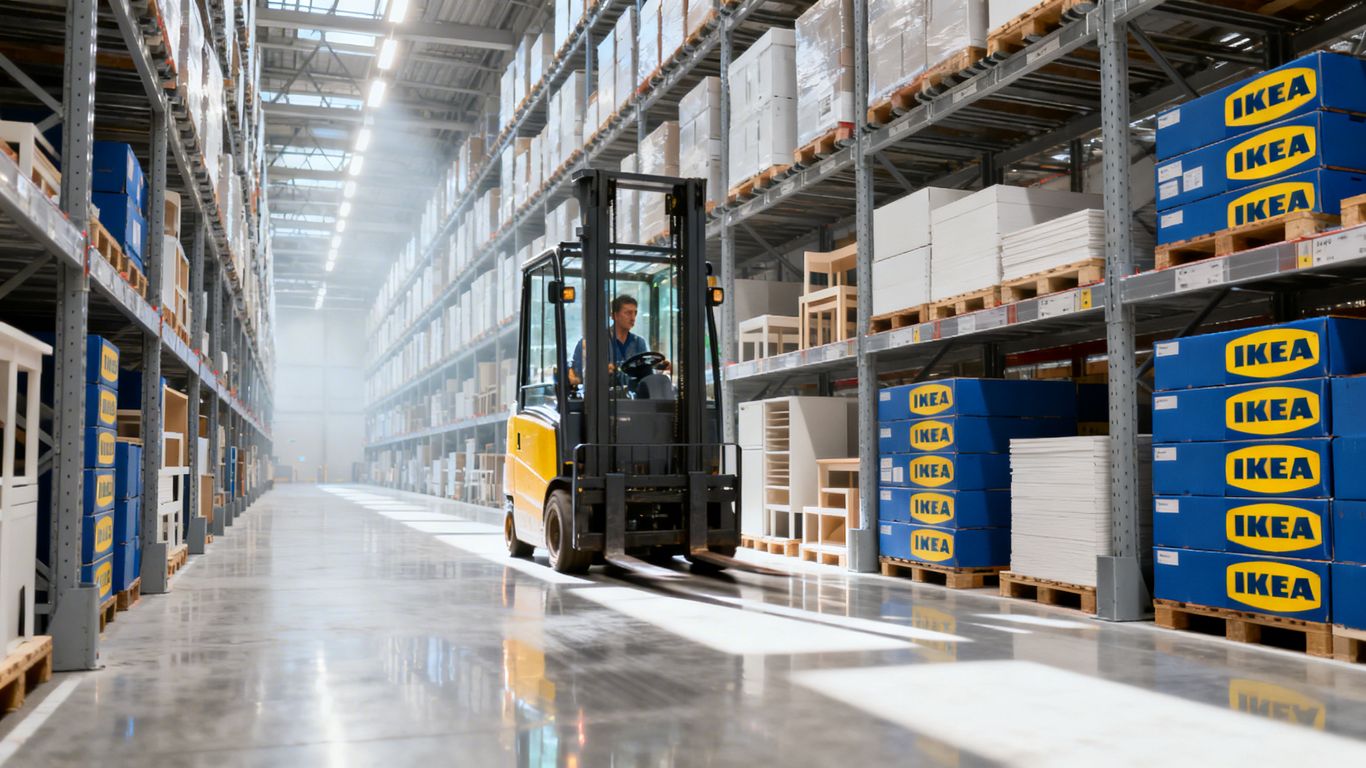
IKEA is known worldwide for its furniture, but how does it actually get all those things from factories to our homes so efficiently? It’s a huge operation, and honestly, it’s pretty amazing when you think about it. They’ve figured out a lot of smart ways to keep costs down and make sure products are where they need to be, which is key to their whole business model. Let's take a look at how IKEA operational efficiency works behind the scenes. Key Takeaways IKEA's flat-pack design is a game-changer, cutting down on shipping space and costs significantly. They use lean principles, like minimizing waste and continuous improvement, throughout their manufacturing and retail processes. Smart sourcing from a global network of suppliers, combined with strict standards, helps manage costs and risks. Advanced inventory systems and just-in-time restocking keep stock levels manageable while aiming for product availability. Efficient distribution methods like cross-docking and customer self-pickup at stores reduce handling and speed up delivery. Mastering IKEA Operational Efficiency Through Global Logistics IKEA's global success isn't just about stylish furniture; it's deeply rooted in how they manage their operations and get products from point A to point B. They've built a system that’s both cost-effective and customer-friendly, and a big part of that is their smart approach to logistics. It’s like a well-oiled machine, but on a massive, international scale. The Power of Flat-Pack Design This is where it all starts, really. The iconic flat-pack design isn't just a quirky feature; it's a logistical superpower. By designing products to be disassembled and packed flat, IKEA drastically cuts down on the space needed for shipping and storage. Think about it: you can fit way more flat boxes onto a truck or into a shipping container than you can with fully assembled furniture. This simple idea means lower transportation costs and less warehouse space required, which directly translates to savings passed on to the customer. It’s a foundational element that influences every other part of their supply chain. Lean Principles in Action IKEA is a big believer in lean manufacturing and operations. This means constantly looking for ways to eliminate waste – whether it's wasted time, wasted materials, or wasted movement. They apply these principles everywhere, from how products are made to how they’re moved around the world. For instance, they focus on having just enough inventory on hand, avoiding the costs associated with storing too much. This just-in-time approach means that products are moved efficiently through the system, reducing the chances of items becoming outdated or damaged while sitting around. Driving Down Costs with Smart Sourcing Getting the best price for materials and manufacturing is key to IKEA's low-cost model. They have a huge network of suppliers all over the globe, which allows them to find the best combination of quality and price. But it's not just about the cheapest option; IKEA also has strict standards for how their products are made, focusing on things like sustainability and fair labor practices. They often work with suppliers for a long time, building relationships that help ensure consistent quality and reliable delivery. This global sourcing strategy, combined with their lean operations, is a major reason why they can offer affordable furniture to so many people. IKEA's operational model is a masterclass in balancing cost-efficiency with product availability. The flat-pack design, coupled with lean principles and strategic global sourcing, creates a powerful engine for delivering value to customers worldwide. Revolutionizing Inventory Management for Peak Performance Keeping track of millions of products across the globe is no small feat, and IKEA has developed some truly clever ways to manage its inventory so that shelves are stocked and costs stay low. It’s all about smart systems and making sure things move efficiently. High-Density Storage and Just-In-Time Replenishment IKEA stores are designed to have most items readily available right on the sales floor. This means they don't need massive back rooms stuffed with extra stock. They use a high-density storage approach in the market halls, showing off as much as possible. Then, they bring in new stock just when it's needed, a bit like magic. This just-in-time (JIT) method keeps inventory holding costs way down. Think about it: less money tied up in stuff sitting around waiting to be sold. Market Hall Maximization: Displaying a wide range of products directly to customers. Just-In-Time Deliveries: Replenishing stock only when it's nearly gone. Reduced Backroom Needs: Minimizing the space required for storing excess inventory. Sophisticated Systems for Stock Control Behind the scenes, IKEA uses advanced computer systems to keep tabs on everything. Their central system, Hiera, is pretty amazing. It tracks what's selling and automatically tells the warehouses when to send more products to the stores. This kind of detailed oversight helps them avoid having too much or too little of anything. It’s a delicate balance, but their tech makes it work. The goal is to have the right product, in the right place, at the right time, without holding onto excess stock longer than necessary. This requires constant monitoring and smart adjustments. Balancing Availability with Leaner Stock Levels Historically, IKEA has leaned towards making sure customers can find what they want, even if it meant keeping a bit more stock than strictly necessary. This focus on availability is great for shoppers, but it does add to costs. The company is actively working on shifting this mindset, aiming for leaner stock levels while still keeping customers happy. It’s a continuous effort to find that sweet spot between having enough and having too much. Metric Current State (Approx.) Target State (Leaner) Inventory Holding Days 60 45 Stockout Rate < 5% < 7% Warehouse Space Usage 85% 70% The Art of Global Distribution and Last-Mile Delivery Getting those flat-pack boxes from a factory in Poland to a living room in California is a whole operation, and IKEA really shines here. It's not just about moving stuff; it's about doing it smart, fast, and without breaking the bank. They've figured out some pretty neat tricks to make sure your BILLY bookcase or MALM bed frame gets to you without a hitch. Cross-Docking for Swift Throughput Think of cross-docking as a super-efficient relay race for goods. Instead of products sitting around in a warehouse for ages, they arrive at a distribution center and are immediately sorted and sent out to their next destination, usually a store. This cuts down on storage time and handling, which means things move faster and costs stay lower. It’s a big reason why IKEA can keep its prices down and products flowing. Multi-Modal Shipping Strategies IKEA doesn't just stick to one way of moving its products. They use a mix of transportation methods – think ships for long hauls across oceans, trains for moving large volumes across continents, and trucks for the final leg. This Building a Resilient and Agile Supply Chain In today's fast-changing world, having a supply chain that can bend without breaking is super important. IKEA knows this, and they've built their operations to be ready for anything. It's not just about moving stuff from point A to point B; it's about having a plan for when things go sideways, which, let's be honest, they often do. Diversified Sourcing for Global Reach Gone are the days of relying on just one or two places for all your parts. IKEA spreads its sourcing out across the globe, working with suppliers in many different countries. This means if one region has a problem, like a natural disaster or a trade dispute, the whole system doesn't grind to a halt. They've learned that having options is key to keeping the shelves stocked and the factories running. It's like having a backup plan for your backup plan. Postponement Strategies for Enhanced Flexibility This is a pretty neat trick IKEA uses. Instead of finishing every single product completely in the factory, they sometimes hold off on the final touches or customization until closer to when the customer actually buys it. Think about it: a basic chair frame can be made in huge numbers, but the final color or cushion can be added later. This approach means they can react much faster to what people are actually ordering, reducing the risk of having too much of the wrong thing. It's all about delaying the final decision until you have more information. Navigating Supply Chain Challenges with Innovation Let's face it, the world throws curveballs. From unexpected global events to shifts in how people shop, IKEA has to be smart and quick. They're always looking for new ways to solve problems. This could mean finding clever ways to ship things, using technology to predict demand better, or even rethinking how products are made so they're easier to adapt. The goal is to be so adaptable that challenges become opportunities. The supply chain isn't just a cost center; it's a strategic advantage. By building in flexibility and foresight, IKEA can keep prices low and products available, even when the unexpected happens. Driving Continuous Improvement and Sustainability IKEA doesn't just build furniture; they build a better way of doing business. It's all about constantly looking for ways to do things better, smarter, and with less impact on our planet. This isn't just a nice idea; it's baked into how they operate, from the factory floor to your living room. Kaizen and Waste Reduction in Manufacturing Think of Kaizen as a company-wide game of 'spot the improvement.' It's a philosophy that encourages everyone, from the folks designing products to those assembling them, to find small ways to make things more efficient and less wasteful. For IKEA, this means looking at every step of making a product and asking, 'Can we do this with less material? Can we use less energy? Can we make this process faster without sacrificing quality?' It's about chipping away at waste, whether that's extra materials, unnecessary movement, or waiting time. They're always refining how things are made, aiming for that sweet spot where efficiency meets quality. Integrating Sustainability into Operations Sustainability at IKEA isn't an add-on; it's part of the core plan. They're aiming to be a company that gives back more to the planet than it takes. This shows up in a lot of ways. For example, they're working hard to use only renewable energy in their stores and factories, and they're committed to using materials that are recycled or come from responsibly managed sources. They're even looking at how products can be designed so they can be easily taken apart and reused or recycled at the end of their life. It's a big goal, but it makes sense – good for the planet, and often, good for the bottom line too, like saving on energy costs. Employee Engagement for Operational Excellence Keeping a global operation like IKEA running smoothly takes a lot of smart people. That's why they put a big focus on their employees. They want everyone to feel like they're part of the improvement process. This means training people not just in their specific jobs, but also giving them a broader view of how the whole operation works. Imagine a store employee understanding a bit about logistics, or a factory worker knowing how their work impacts the customer. This kind of cross-training helps everyone spot problems and come up with solutions faster. When people feel involved and have the skills they need, the whole company runs better. The drive for continuous improvement and sustainability isn't just about following trends; it's about building a business that can last, adapt, and make a positive difference. It's a smart way to operate that benefits everyone involved, from the company itself to the customers and the environment. Here's a look at some of their sustainability goals: Climate Positive by 2030: Aiming to reduce more greenhouse gas emissions than their entire value chain produces. Renewable Energy: Transitioning all stores and factories to run on 100% renewable energy sources. Sustainable Materials: Committing to using only recycled or certified wood and cotton by 2030. Circular Economy: Developing programs for product take-back and resale to keep materials in use longer. The Future of IKEA Operational Efficiency Looking ahead, IKEA isn't just resting on its laurels. The company is actively shaping its future operations with some really exciting ideas. It's all about staying ahead of the curve and making things even better for everyone involved, from the factory floor to your living room. Embracing Omnichannel Logistics IKEA is stepping up its game to blend online and in-store shopping like never before. Think of using stores as mini-hubs for online orders, or offering quick curbside pickups. This approach makes it super convenient for customers while keeping things efficient behind the scenes. It's about making shopping work however and whenever you want it to. Leveraging Digital Twins and AI Get ready for some serious tech upgrades! IKEA is exploring digital twins – virtual copies of its operations – and artificial intelligence to get a clearer picture of everything. This means better forecasting of what customers will want and when, leading to smarter inventory management and fewer surprises. This technology will help IKEA predict and adapt to changes with incredible speed. It's like having a crystal ball for the supply chain, allowing for quicker adjustments and smoother operations. You can find out more about how technology is changing IKEA's operational efficiency . Designing for Circularity and Longevity Sustainability is a huge part of IKEA's future vision. The company is focusing on creating products that are easy to take apart, repair, and recycle. This circular approach means less waste and more value from the materials used. Imagine furniture that lasts longer and can be given a new life, reducing the environmental footprint. It's a win-win for the planet and for keeping operations lean and cost-effective in the long run. The IKEA Blueprint: Always Moving Forward So, what's the big takeaway from all this IKEA magic? It’s clear that IKEA isn't just selling furniture; they're selling a whole system built on smarts and efficiency. They’ve figured out how to keep costs down while making sure their stuff is where you need it, when you need it. It’s pretty cool, honestly. But the world keeps changing, right? Online shopping is huge now, and everyone’s talking about being green. IKEA knows this. They’re already looking at how to be even more flexible, maybe by getting things made closer to home or using their stores in new ways for online orders. It’s not just about doing things the same old way; it’s about constantly tweaking and improving. That’s the exciting part – seeing how this giant company keeps adapting. They’re definitely not resting on their laurels, and that’s why they’ll likely keep leading the pack for a long time to come. It’s a real masterclass in how to run a global business that’s both practical and forward-thinking. Frequently Asked Questions How does IKEA's flat-pack design help them save money? IKEA's furniture is designed to be taken apart and packed flat in boxes. This means they can fit way more items into each shipping container and truck. Less space used in transport means lower shipping costs, which helps IKEA keep prices low for customers. What is 'cross-docking' and why does IKEA use it? Cross-docking is like a quick transfer station for goods. Instead of storing items in a warehouse for a long time, they arrive at a distribution center and are immediately sent out to stores. This speeds up how fast products get to where they need to be and cuts down on storage costs. How does IKEA manage its huge amount of products without running out or having too much? IKEA uses smart computer systems to keep track of what's selling and when to order more. They also try to only keep the amount of stock they really need, which is called 'leaner stock levels.' This helps them avoid having old products and saves money on storage. What does IKEA do to make sure its products are made responsibly? IKEA has a set of rules called the IWAY code of conduct. This code makes sure that suppliers meet certain standards for quality, how workers are treated, and protecting the environment. They also work with suppliers to use better materials and farming methods. How does IKEA encourage customers to help with the delivery process? IKEA's stores are designed so customers can pick up their own flat-pack items. They offer large parking lots and encourage people to load their purchases themselves. This 'self-service' approach helps IKEA save money on handling and delivery. What is 'postponement' and how does IKEA use it? Postponement means IKEA waits longer to decide exactly where a product will go. Instead of deciding the final store destination when they order from a supplier, they might wait until the goods are closer to the store. This makes IKEA more flexible and able to react faster to what customers in different areas want.
- Jason Statham's Action-Packed Future: A Glimpse into 2025 and Beyond
Get ready for more high-octane thrills as action superstar Jason Statham gears up for a slate of exciting new projects. Fans can anticipate his signature blend of intense fight choreography, daring stunts, and no-nonsense attitude in films slated for release in 2025 and beyond. The beloved action hero shows no signs of slowing down, promising a continued reign at the box office. Key Takeaways Jason Statham has multiple films scheduled for release in 2025 and beyond. Expect his trademark action and charisma in these upcoming projects. The actor continues to be a dominant force in the action genre. Upcoming Projects While specific details for all future endeavors are still emerging, Statham is confirmed to be involved in several highly anticipated films. His presence guarantees a dose of adrenaline, whether he's taking on international espionage, leading a crew on a daring heist, or engaging in brutal hand-to-hand combat. A Look Ahead Fans eagerly await further announcements regarding the titles, plotlines, and co-stars for Statham's upcoming cinematic ventures. His consistent output and dedication to delivering thrilling action entertainment have solidified his status as a global movie icon. The coming years promise to be no different, with Statham set to captivate audiences once again with his unparalleled screen presence and commitment to the action genre.
- Chivalry 2 Charges Onto Game Pass With New 'Reinforced' Update
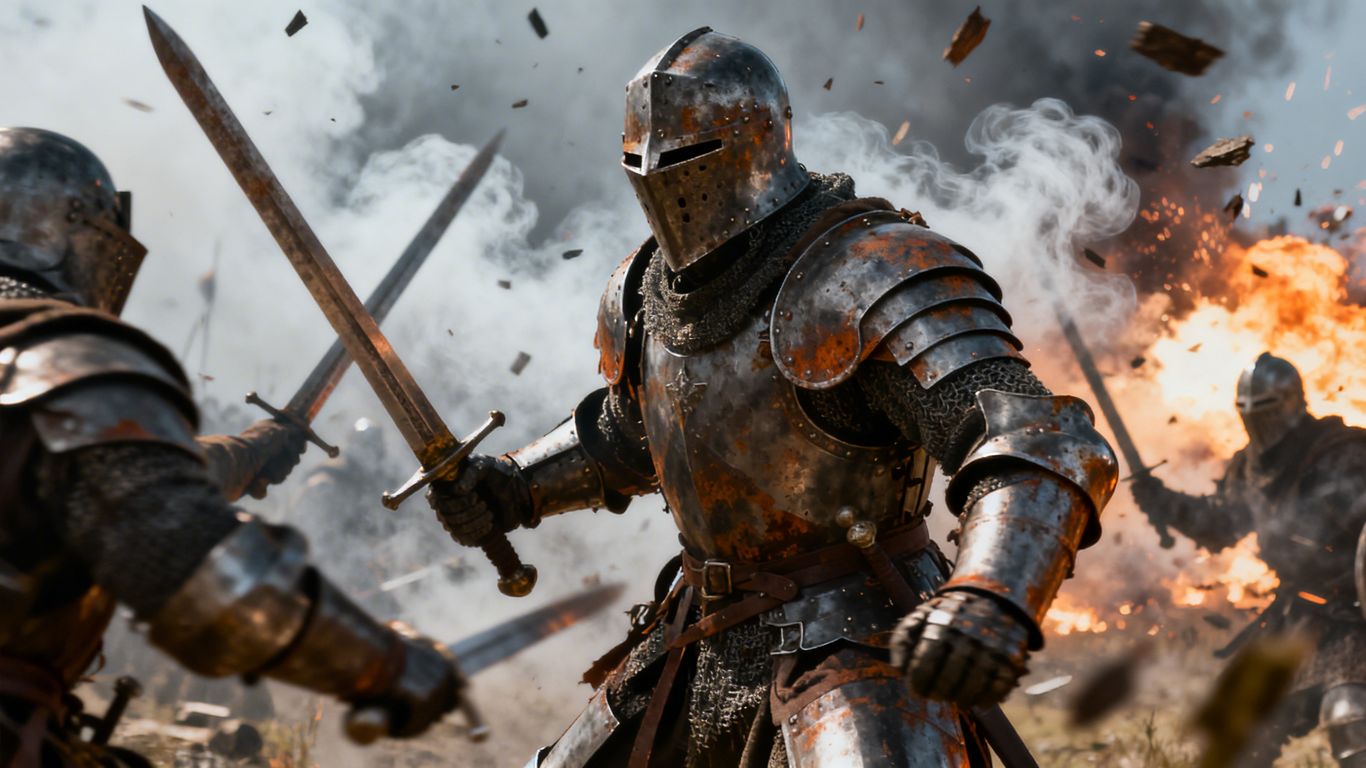
The epic medieval combat game, Chivalry 2, is now available for Xbox and PC players through Game Pass. This exciting addition coincides with the release of the "Reinforced" content update, introducing new maps, weapons, and enhancements to mounted combat. Players can also opt for the "King's Edition" for exclusive cosmetic items and in-game currency. Key Takeaways Chivalry 2 is now accessible on Xbox Game Pass and PC Game Pass. The "Reinforced" update brings a new map, "Hippodrome," and the dual-wielding "Katars" weapon. Mounted combat has been expanded with updates to existing maps and the new "Hippodrome" map. The "King's Edition" of Chivalry 2 is available for purchase, offering exclusive cosmetic content and currency. New Content and Features The "Reinforced" update significantly expands the Chivalry 2 experience. The new "Hippodrome" map is designed to highlight the game's mounted combat, featuring open spaces perfect for horseback jousting and treacherous elements like spike traps and flamethrowers. Complementing this is the introduction of the "Katars," a swift, dual-wielded weapon ideal for the Ambusher class, allowing for rapid close-quarters attacks. Furthermore, Torn Banner Studios has enhanced the mounted combat experience on existing maps, "The Raid on Aberfell" and "The Siege of Rudhelm," responding to community requests for more "horseplay." The King's Edition For those looking to further immerse themselves in the medieval battlefield, the "Chivalry 2: King's Edition" is now available on PC and will launch on consoles in October. This premium edition includes exclusive cosmetic armor sets inspired by the original Chivalry: Medieval Warfare, along with in-game currency and premium currency. Players who already own the Special Edition can upgrade for $9.99, while owners of the base game can upgrade for $19.99. The King's Edition is priced at $59.99 on its own. About Chivalry 2 Chivalry 2 is a multiplayer first-person slasher that immerses players in the most iconic moments of medieval warfare. Building upon its predecessor, the game features an improved combat system that blends real-time strikes with a fluid combo system, offering an unparalleled melee experience. Players can engage in massive battles, participate in castle sieges, and experience the thrill of clashing swords and volleys of arrows. Sources Chivalry 2 joins Game Pass on Xbox and PC, new update released, GamingTrend.
- Train Travel in Europe: Making the Most of Your Eurail Pass
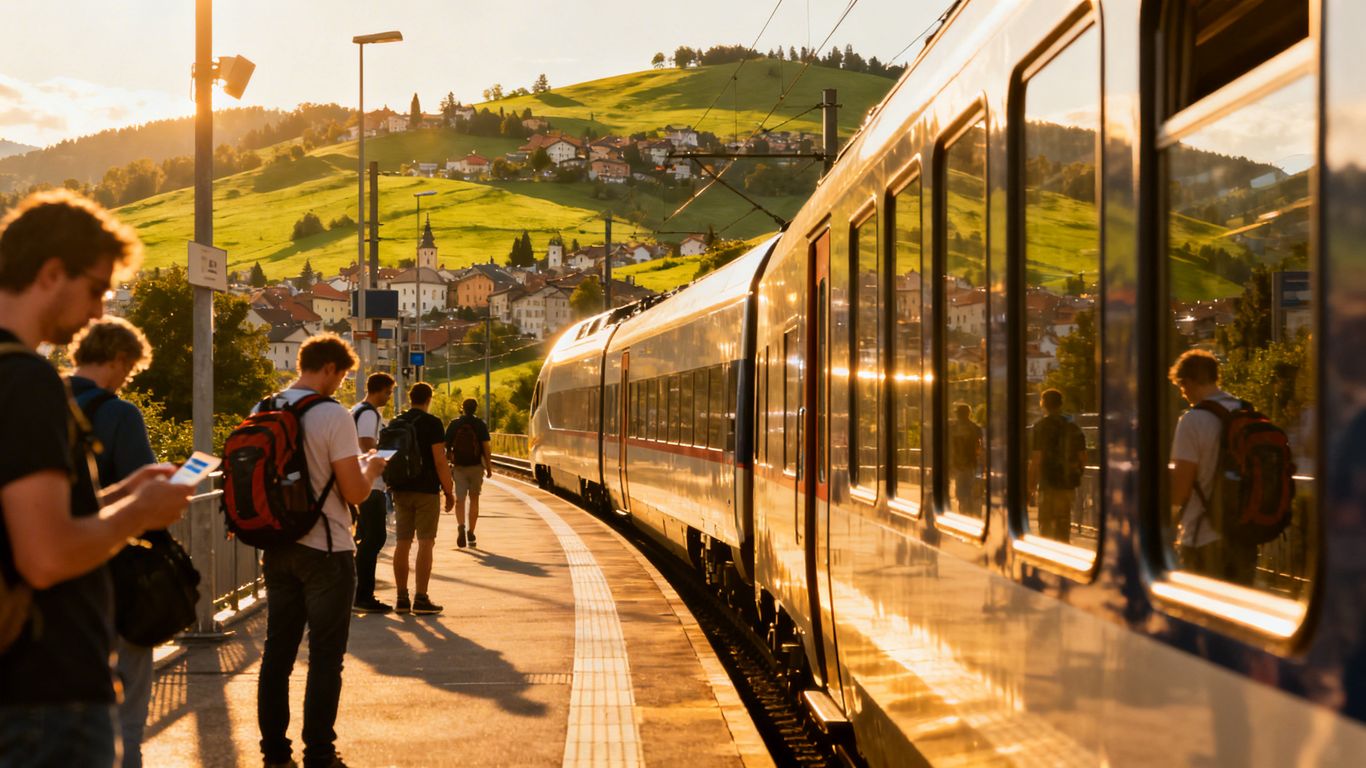
Thinking about exploring Europe by train? It's a fantastic way to see the continent, offering freedom and amazing views. But like any adventure, a little planning goes a long way. This guide is packed with Europe train travel tips to help you make the most of your Eurail pass, from choosing the right ticket to enjoying the journey itself. We'll cover everything from station smarts to making friends on board, so you can relax and soak it all in. Key Takeaways Get the Rail Planner app; it's your offline guide for schedules and planning, especially if you miss a connection. Always validate your pass before your first trip and fill it out carefully in ink for each journey to avoid issues. Consider your itinerary to pick the best pass type – Global, Select, or One-Country – to save money. Pack snacks and a water bottle, as not all trains have food service, and enjoy impromptu picnics with local market finds. Be ready for the unexpected; missed connections or delays are part of the adventure. Stay flexible and embrace the journey! Embarking on Your Grand European Rail Adventure So, you've got the Eurail pass, huh? Excellent choice! This little piece of paper (or digital magic, depending on how you roll) is your golden ticket to a continent brimming with charm, history, and questionable but delicious pastries. Forget the hassle of booking individual tickets for every hop, skip, and jump across Europe. Your pass is your passport to freedom, a promise of spontaneous detours and breathtaking views whizzing by your window. Think of it as your personal magic carpet, but with more legroom and the distinct possibility of a charming stranger sharing their travel tales. Choosing Your Chariot: Pass Types for Every Wanderer First things first, let's talk about the ride. Eurail offers a few flavors of passes, and picking the right one is like choosing your adventure buddy. Are you a whirlwind tourist hitting all the major capitals, or a slow-travel enthusiast wanting to soak in the countryside? The Global Pass is your all-access backstage pass to pretty much everywhere. If you're more of a 'one-country wonder' type, then a One Country Pass might be your jam. Remember, you're not buying a pass for the length of your trip, but for the days you'll actually be on a train. So, if you're spending a week exploring Paris before hopping on a train, you only count that travel day. Smart, right? Global Pass: For the ambitious explorer who wants to see it all. One Country Pass: Perfect for a deep dive into a single nation's treasures. Flexi Pass: Travel on a set number of days within a longer period – ideal for a balanced pace. Continuous Pass: Unlimited travel for a set duration – for the true train aficionado. The Art of Validation: Don't Let Your Ticket Be a Paperweight This is where things get a little bit official, but don't sweat it. Before you can zoom off into the sunset, your pass needs a little stamp of approval – it needs to be validated. Think of it as the train conductor giving your pass a friendly handshake. You usually do this at a train station ticket office. Seriously, don't forget this step, or your pass is just fancy paper! It's best to do it a day or two before your first big journey, especially if you're starting in a smaller town or on a weekend when offices might have wonky hours. Once validated, you'll fill in the date for each travel day. Be neat, use ink, and double-check your work – mistakes can cost you a precious travel day. It’s a bit like a pop quiz, but the prize is more train adventures. Filling out your pass correctly is key. It’s not just about avoiding trouble; it’s about respecting the system that gives you this incredible freedom. Treat it with a little care, and it will serve you well. Navigating the Rails: Your Pocket-Sized Companion In today's world, your smartphone is practically an extension of your arm, and for good reason. The Rail Planner app is your new best friend. It's like having a seasoned European rail expert living in your pocket. You can check schedules, see which trains need reservations (more on that later!), and even download maps for offline use. This is a lifesaver when you're in a remote village with spotty Wi-Fi or trying to figure out your next move after a missed connection. It helps you filter for trains that don't require extra bookings, which can be a real time and money saver. Plus, it’s just plain cool to see all your options laid out before you. Download the app before you leave home. Familiarize yourself with its features – offline maps are a game-changer. Use it to plan your routes and check reservation requirements. Keep your phone charged – your lifeline to the rails! Whispers of the Rails: Unlocking Hidden European Charms The Magic of Stopovers: Cities Unveiled Between Departures So, you've got a few hours to kill between trains. Don't just sit there staring at the departure board like it's a cryptic crossword puzzle! Many of Europe's grand stations are practically city centers themselves. Think about it: you're already there. Why not take a quick peek? Zurich, Prague, Budapest – these stations are gateways to adventure. You can totally dash out, grab a coffee at a local cafe, and pretend you're a seasoned local for an hour. It's like finding a secret level in a video game, but with better pastries. Don't underestimate the power of a short detour. Sometimes the most memorable moments happen when you least expect them, just a stone's throw from the platform. Picnic Perfection: Savoring Local Flavors on the Go Let's be real, train dining cars can be a bit... meh. And expensive. But fear not, fellow traveler! Europe's train stations are often treasure troves of deliciousness. Wander through the local market stalls or bakeries before you board. Grab a crusty baguette, some amazing cheese, maybe some cured meats, and a sweet treat. You've got yourself a gourmet meal that costs a fraction of what you'd pay on board. Plus, eating a picnic while watching vineyards or mountains whiz by? Pure romance. Don't forget a bottle of water, especially if it's warm out. You'll be glad you remembered. Here’s a quick guide to building your perfect train picnic: Bread: A fresh baguette, a hearty rye, or a soft ciabatta. Cheese: Something local and flavorful – Gruyère, Gouda, or a creamy Brie. Protein: Sliced ham, salami, or even some smoked fish if you're feeling fancy. Fruit: Grapes, apples, or berries for a refreshing bite. Sweet Treat: A flaky croissant, a rich chocolate bar, or some local cookies. Pass Perks: Your Golden Ticket to Exclusive Delights Your Eurail Pass isn't just a ticket; it's practically a VIP pass to a whole continent! Seriously, check out the partner discounts. You might be surprised. We're talking reduced entry to museums, special deals on ferries, or even city cards that save you a bundle. It’s like finding extra lives in an old video game. Always keep an eye out for these little bonuses – they add up and make your journey even more magical. It’s not just about getting from A to B; it’s about the delightful detours and unexpected savings along the way. The Romance of the Rails: Overnight Journeys and Cozy Cabins Forget cramped airplane seats and sterile airport lounges. There's a certain magic to drifting off to sleep on a moving train, the gentle rhythm lulling you into dreams of the adventures to come. Overnight trains are more than just a way to get from point A to point B; they're an experience, a classic part of European travel that feels both wonderfully old-fashioned and incredibly practical. Imagine waking up in a new country, ready to explore, without having lost a precious day to travel. Dreaming on Tracks: The Allure of Sleeper Cars When you picture overnight train travel, you might envision plush private cabins with real beds. And yes, those exist! They're the ultimate in comfort, offering a private sanctuary for your journey. But there are other options too, each with its own charm. Couchettes, for instance, offer a more communal experience with bunk beds, perfect for solo travelers or groups looking to save a bit. Even the standard seats on some overnight trains recline further than you'd expect, making a surprisingly decent place to catch some Zs. The key is to book these popular options early, especially if you're traveling during peak season. Sleeper trains are often covered by Interrail and Eurail passes , but typically require an additional reservation fee. The cost of this reservation varies depending on the specific train operator. Essential Charms for Your Overnight Escape Packing for an overnight train is a bit different from a day trip. You want to be comfortable, prepared, and organized. Think of it as packing for a mini-hotel room on wheels. Comfort Kit: Don't forget an eye mask and earplugs. Even the most seasoned traveler can appreciate a little help blocking out light and noise. A small travel pillow can also make a world of difference. Snack Stash: While some trains have dining cars, they can be pricey and aren't always available. Stock up on local goodies from a station market before you board – think cheese, bread, fruit, and maybe a sweet treat. It's part of the fun! Hygiene Helpers: A toothbrush, toothpaste, and a small pack of wet wipes are your best friends for freshening up. Valuables Security: Bring a small lock for your compartment door if you're in a sleeper or couchette. Keep your passport and phone close by. The gentle sway of the train, the fleeting glimpses of moonlit landscapes, the quiet hum of fellow travelers settling in for the night – it all adds to the unique romance of sleeping on the rails. It’s a chance to disconnect from the rush of the day and simply be present in the journey. Waking Up to Wonder: Ensuring You Reach Your Destination There's nothing quite like waking up to a new sunrise over unfamiliar terrain. To make sure your arrival is as smooth as your slumber, a little preparation goes a long way. Most sleeper car attendants will wake you for your stop, especially if you've informed them of your destination. However, it's always wise to set your own alarm as a backup, just in case. Double-check your arrival station and time the night before. When you disembark, take a moment to orient yourself. You've just completed a magical overnight journey, and a whole new day of exploration awaits! Conquering the Continent: Mastering Reservations and Routes Ah, the grand adventure! You've got your pass, your dreams are packed, and you're ready to roll. But before you picture yourself gazing out the window with a croissant in hand, let's talk about the nitty-gritty: reservations and routes. It's not quite as romantic as a whispered "je t'aime" on a moonlit platform, but getting this right means the difference between a smooth sail across Europe and a frantic dash through a train station. The Reservation Riddle: When and How to Book Your Seat So, you think your Eurail Pass is your golden ticket to any train, any time? Well, almost! Think of it like a VIP pass to a club – you're in, but some of the hottest acts (read: high-speed trains and overnight sleepers) might require a special wristband, which in this case, is a reservation. The Rail Planner app is your best friend here; trains needing that extra bit of paperwork will have a little 'R' next to them. Don't ignore it! Booking these in advance, especially during the bustling summer months or around holidays, is key. Showing up hoping for the best on a popular route like Paris to Barcelona might leave you staring at a "Sold Out" sign, and nobody wants that. High-Speed Trains: Think TGV, ICE, Frecciarossa – these speed demons often need a reservation. They whisk you across countries in a flash, but that speed comes with a small fee. Overnight Trains: Want to wake up in a new city? Sleeper cars and couchette cabins are usually reservation-only. It's like a hotel on wheels, and everyone wants a piece of that magic. Popular Tourist Routes: Even some regular intercity trains on super-popular routes can fill up, so always check that 'R'! Booking is usually done through the Rail Planner app, the national railway websites, or even at the station ticket counter. Prices can vary, but think of it as a small investment for a guaranteed spot and a stress-free journey. Embracing the Slow Lane: Scenic Routes Without the Fuss Now, what if you're not in a rush? What if the journey is the destination? This is where the regional trains come in, and oh, they are a delight! They might take twice, or even thrice, as long to get you where you're going, but they stop at charming little towns you'd otherwise zoom past. They rarely require reservations, meaning more spontaneity and fewer extra costs. It’s the perfect excuse to pack a picnic, read that novel you’ve been meaning to finish, or simply watch the European countryside unfold like a living tapestry. Cost Savings: Regional trains are typically covered by your pass without extra fees. Scenery Galore: You'll see more of the real Europe, not just the express highway. Spontaneity: Fancy stopping in that picturesque village you just passed? With regional trains, it's often easier to hop off and on. Sometimes, the longest journeys offer the richest experiences. Don't be afraid to trade a few hours for a thousand unforgettable moments. Last-Minute Love Affairs: Adapting to Spontaneous Changes Life happens, right? Maybe you lingered too long over that gelato, or perhaps a connection just vanished into thin air. Don't panic! Train travel is wonderfully forgiving. If you miss a connection, especially a tight one, sometimes it's better to just relax, grab a coffee, and catch the next train. The Rail Planner app is your lifeline for figuring out what's next. Flexibility is your superpower when traveling by train. Embrace the unexpected detours; they often lead to the most interesting stories. You might discover a hidden gem of a town or meet a fellow traveler who becomes a lifelong friend. It's all part of the grand, slightly chaotic, utterly romantic dance of European rail travel. Adventures on the Go: Embracing the Unexpected So, you've got your Eurail Pass, your itinerary is loosely sketched, and you're ready to conquer the continent. But what happens when the tracks take a detour you didn't plan for? That's where the real magic of train travel unfolds, my friends. It's not just about getting from point A to point B; it's about the delightful detours, the happy accidents, and the stories you'll be telling for years. When Connections Vanish: The Joy of the Next Train Ah, the dreaded missed connection. It sounds like a travel nightmare, right? But honestly, it's often just a plot twist. Instead of panicking, take a deep breath. This is your chance to explore that little cafe near the platform or discover a hidden gem in the station you never would have noticed otherwise. Most of the time, the next train isn't too far behind. Think of it as an unscheduled intermission, a moment to recharge, grab a ridiculously good pastry, and maybe even strike up a conversation with a fellow traveler who's also enjoying this little hiccup. The Humorous Mishap: Tales for Your Travelogue Let's be real, travel isn't always glamorous. Sometimes, it's downright silly. Maybe you accidentally boarded a train going the opposite direction for an hour (guilty!), or perhaps you ended up with a suitcase full of only socks because you packed in a hurry. These are the moments that become legendary. Don't fret over them; embrace them! They're the spice of life, the anecdotes that make your trip uniquely yours. Keep a little notebook handy, or just commit them to memory – these are the stories that will have your friends and family roaring with laughter. A Seat with a View: Capturing the Ever-Changing Scenery One of the greatest gifts of train travel is the ever-shifting panorama outside your window. One minute you're gliding past sun-drenched vineyards, the next you're winding through mist-shrouded mountains. Try to snag a window seat whenever you can; it's like having a private, constantly updating art gallery. Don't just scroll through your phone; really look . Notice the details: the laundry hanging from balconies in a tiny village, the way the light hits the water, the sheer vastness of the countryside. These fleeting moments are the soul of Europe, and the train is your perfect vantage point to soak it all in. Station Serenity: Navigating Grand Terminals with Flair Ah, the grand European train stations! Some are like glittering palaces, others are bustling hubs that feel like a city within a city. Stepping into one can be a bit like entering a treasure hunt, but don't let the sheer scale or the symphony of announcements overwhelm you. Think of it as the overture to your next adventure. Palaces of Passage: Finding Your Way Through Majestic Stations Forget sterile modern airports; these stations are often architectural marvels. Take Antwerp Central in Belgium, for instance – it's a cathedral of iron and glass that makes you want to linger. Or perhaps the ornate beauty of Budapest Keleti. The trick is to arrive a little early, not to stress, but to soak it all in. Grab a coffee, find a bench, and just watch the world go by. It’s a fantastic people-watching spot and a chance to appreciate the history etched into the very walls. Look for the main departure boards – they're usually quite prominent and will be your guiding star. The Platform Shuffle: Keeping Tabs on Your Departure This is where the real fun begins. Platforms can change, sometimes with little notice, especially at larger stations. It’s not a conspiracy, just the ebb and flow of rail travel. Your best friend here is the live departure board. Keep an eye on it, and don't be afraid to ask station staff if you're unsure. A little phrasebook or a translation app can be handy. Knowing a few key words can make a world of difference: Gleis (German) Voie (French) Binario (Italian) Peron (Polish) Platforma (Spanish/Russian) These all mean 'platform'. It's amazing how a simple word can demystify a sign. A Moment's Respite: Embracing Layovers Like a Local Got a few hours between trains? Don't just sit there! Many stations are smack-dab in the city center. If you have a couple of hours, you can often pop out, grab a quick bite at a local cafe, see a nearby landmark, or even just wander through a charming street. Just be sure to give yourself plenty of time to get back. Some stations even have luggage storage if you want to explore unburdened. It’s a chance to turn a waiting period into an unexpected mini-adventure, a little bonus chapter in your travel story. Remember, train stations are not just transit points; they are vibrant hubs of human activity, full of stories waiting to unfold. Embrace the organized chaos, and you'll find a rhythm that makes your journey smoother and far more interesting. So, Go Forth and Wander! Alright, so maybe you’ve had a few train hiccups, maybe you’ve accidentally ended up in a town famous for its cheese-making instead of its castles, or perhaps you’ve shared a compartment with a tuba player. Who cares! Those are the stories you’ll tell, the ones that make your trip truly yours. Europe by train with a Eurail pass isn't just about getting from point A to point B; it's about the charming little stations you stumble upon, the unexpected conversations with fellow travelers over lukewarm coffee, and the sheer magic of watching vineyards blur into mountain ranges from your window. So pack that slightly-too-big suitcase (we won't judge), embrace the occasional detour, and let the rails carry you on an adventure that’s as romantic and wild as the continent itself. Happy travels, you magnificent wanderer! Frequently Asked Questions What exactly is a Eurail Pass and how does it work? Think of a Eurail Pass as your all-access ticket to train travel across many European countries. You buy a pass that lets you travel for a certain number of days within a set period, like 10 days within two months. You just need to fill out your pass each day you travel, and then you can hop on most trains without buying individual tickets. It's super handy for exploring different places! Do I need to reserve a seat for every train I take? Not always! Many regular trains don't require a reservation, especially the slower, local ones. However, popular high-speed trains and overnight trains often do. You'll usually see a little 'R' symbol for these. It's a good idea to book these ahead, especially during busy times like summer, so you're guaranteed a spot and don't have to pay extra. What's the best way to figure out which Eurail Pass is right for me? It really depends on your travel plans! If you're hitting up many countries, a Global Pass might be best. But if you're sticking to just one or two neighboring countries, a One-Country or Select Pass could save you money. Look at where you want to go and how many days you'll actually be on a train to make the smartest choice. What should I do if I miss a train connection? Don't panic! Missing a connection happens to the best of us. Take a deep breath. Check the train schedule – there's usually another train heading your way soon, maybe in an hour or so. Use that extra time to grab a snack, use the restroom, and find your next platform without feeling rushed. It's all part of the adventure! Are there ways to save money while using my Eurail Pass? Absolutely! Pack your own snacks and drinks from local grocery stores or bakeries instead of buying them on the train – it's way cheaper and often tastier. Also, look into 'pass perks' – your Eurail Pass might get you discounts on things like museum entries or city tours. Traveling during less busy times can also help save money on accommodation. What's the most important app or tool for Eurail travel? The Rail Planner app is your absolute best friend! You can use it even without internet, which is a lifesaver. It shows you train times, helps you figure out which trains need reservations, and even lets you plan alternative routes if you miss a connection. Seriously, download it before you go!
- Step Aside, Ankle Boots: Knee-High Suede Takes Over Autumn 2025 Fashion
As the leaves begin to turn, a new footwear trend is set to dominate autumn wardrobes. The humble ankle boot, a long-standing favorite, is being gracefully replaced by the sophisticated allure of knee-high brown suede boots. This shift signals a move towards a richer, more elevated aesthetic, embodying the "old money" polish and quiet luxury that fashion insiders are embracing for the upcoming season. Key Takeaways Knee-high brown suede boots are emerging as the must-have shoe for Autumn 2025. They offer a more luxurious and elevated alternative to traditional ankle boots. The trend aligns with the "quiet luxury" and "old money" aesthetics. These boots provide significant styling versatility, easily upgrading casual and formal outfits. Retailers and designers are heavily featuring this trend, highlighting its practicality and chic finish. The Rise of the Knee-High Suede Boot This season's fashion landscape is seeing a subtle yet significant shift away from the perennial popularity of ankle boots. In their place, knee-high brown suede boots are quietly making a powerful statement. These boots offer the same adaptable nature as their shorter counterparts but exude an immediate sense of richness and refinement. The combination of earthy suede and a tall shaft creates a sleek, approachable look that perfectly encapsulates the essence of quiet luxury. Effortless Styling and Elevated Appeal The true magic of brown suede knee-highs lies in their transformative power. They possess the remarkable ability to elevate any ensemble, turning a simple pair of jeans into a sophisticated statement or adding a chic edge to skirts and tailored shorts. These boots are the epitome of effortless upgrading, making even the most basic outfits appear curated and editorial. They perform the heavy lifting in terms of style, allowing wearers to look polished without appearing to try too hard. Fashion Forward Integration Style enthusiasts are already exploring the diverse styling possibilities offered by this trend. Expect to see these boots layered under long coats, peeking out from beneath flowing midi skirts, or tucked into slim-fit denim for a modern, equestrian-inspired vibe. The extended shaft visually elongates the silhouette, drawing the eye downwards, while the warm brown tones provide a grounding, timeless element to any outfit. While ankle boots offer easygoing charm, knee-high suede boots represent a more considered and luxurious approach to fall footwear. Designer Endorsement and Investment Potential It's no surprise that both retailers and high-fashion runways are championing brown suede knee-high boots. They deliver the practicality and wearability essential for autumn footwear, coupled with a distinctly luxurious finish. For those seeking a single, impactful investment piece for the season that promises both compliments and endless styling opportunities, these boots are the definitive choice. While ankle boots will undoubtedly remain a wardrobe staple, knee-high brown suede boots are poised to be the ultimate fall upgrade. Sources Knee-High Brown Suede Boots Are the It Shoe Trend of Autumn 2025, Who What Wear.
- Pandemics That Changed the Course of History
You know, sometimes it feels like we're living through a history book, right? Especially when we talk about big events that really shake things up. Well, it turns out that throughout time, certain diseases have done just that – they've popped up, spread like wildfire, and totally changed the way people lived, built societies, and even thought about the world. These aren't just medical stories; they're historical turning points. We're going to look at some of these major historical pandemics and see how they left their mark. Key Takeaways Ancient plagues, like the ones that hit Athens and Rome, weren't just deadly; they weakened empires and shifted the balance of power, sometimes leading to major defeats or the fall of rulers. The Black Death in the Middle Ages was a massive turning point, wiping out huge numbers of people, which in turn helped end feudalism and paved the way for new economic systems and social changes. When Europeans arrived in the Americas, they brought diseases like smallpox that devastated native populations, making colonization much easier and fundamentally changing the history of the continents. Cholera, especially during the Industrial Revolution, highlighted major public health issues tied to sanitation and inequality, with figures like John Snow making important discoveries about how diseases spread. The 1918 Spanish Flu showed how quickly a global pandemic could spread and kill, impacting populations worldwide and teaching hard lessons about public health preparedness that still matter today. Ancient Plagues That Shaped Empires It's easy to think of pandemics as a modern problem, something that only happens in our interconnected world. But history is littered with outbreaks that didn't just kill people; they fundamentally changed how societies were run, who was in charge, and even how people thought about the world. These weren't just bad flu seasons; they were world-altering events. The Athenian Plague: A Turning Point in Warfare Imagine being under siege. Your enemy is outside your walls, starving you out. Then, something worse than the enemy soldiers starts killing your people from the inside. That's what happened to Athens in 430 B.C. during the Peloponnesian War. The disease, which some think was typhoid fever, swept through the city while the Spartans were camped outside. It was brutal. Symptoms included fever, thirst, and nasty skin sores. Massive Death Toll: Estimates suggest up to two-thirds of Athens' population perished. Weakened Military: The plague decimated the Athenian army and navy, making them easy targets. Shift in Power: This outbreak was a major factor in Athens' eventual defeat by Sparta, altering the balance of power in ancient Greece. The plague didn't just kill; it broke the spirit of Athens, turning a golden age into a tragic chapter. The Antonine Plague: Rome's Unseen Enemy Rome, the mighty empire, wasn't immune. Around 165 A.D., a plague, possibly an early form of smallpox, arrived. It's thought to have come back with soldiers from the East. This wasn't a quick event; it lasted for years, and even Emperor Marcus Aurelius eventually succumbed to it. The Antonine Plague, also known as the Plague of Galen, really put a strain on the empire's resources and manpower. It weakened the legions and made it harder to manage the vast territories. This period really highlights how vulnerable even the most powerful ancient civilizations were to disease . Symptom Category Examples General Fever, Sore Throat Digestive Diarrhea Skin Pus-filled sores (if survived long enough) The Plague of Justinian: The Byzantine Empire's Downfall Fast forward to the 6th century A.D. Emperor Justinian I had big dreams of restoring the Roman Empire. Then, the Plague of Justinian hit, starting in Egypt around 541 A.D. This was likely the first major appearance of the bubonic plague, carried by fleas on rats. It spread like wildfire through the Byzantine Empire and across the Mediterranean. Justinian's grand plans? Pretty much derailed. The economic impact was huge, and it's even thought to have contributed to a more religious, perhaps apocalyptic, outlook among the populace. It recurred for centuries, killing millions and significantly weakening the empire, arguably marking the true end of the Roman era and ushering in what we now call the Dark Ages. The Black Death: A Medieval Cataclysm Okay, so imagine a world where your neighbor, your baker, your local lord, and maybe even your entire family could just… disappear. That was the reality during the mid-14th century when the Black Death, a particularly nasty strain of bubonic plague, decided to throw a party across Europe, Asia, and North Africa. It wasn't just a bad flu season; this was a full-blown, history-rewriting catastrophe. Estimates suggest it wiped out somewhere between 30% and 60% of Europe's population, a number so staggering it's hard to wrap your head around. Bubonic Plague's Devastating Sweep Across Continents This wasn't a polite, knock-on-your-door kind of plague. It arrived, likely from Central Asia, hitching a ride on trade routes and fleas that lived on rats. Think of it like a really, really bad game of telephone, but instead of gossip, it was death. It landed in Europe around 1347, probably in Sicily, and then just went wild. Cities, with their close quarters and questionable sanitation (let's be honest), became ground zero. People were dying so fast that they couldn't even bury them properly. Bodies piled up, creating a smell that must have been just awful. It was so bad that warring countries like England and France actually called a truce because, well, what's the point of fighting when you're all busy trying not to die? Societal Shifts: The End of Feudalism and Rise of Capitalism So, what happens when you suddenly have way fewer people? The survivors, believe it or not, ended up in a better position. Suddenly, there was a massive labor shortage. If you were a peasant or a worker, you were in demand! Lords had to offer better wages and conditions to get anyone to work their land. This really shook up the old feudal system, where peasants were basically tied to the land and their lords. People started moving around, demanding more, and the whole structure began to crumble. It’s like the ultimate worker’s strike, but with way more death involved. This shift, along with changes in how people farmed and traded, is seen by many as the shaky, plague-ridden foundation for what would eventually become capitalism. Cultural Upheaval: Mysticism and Scapegoating When something this terrible happens, people look for answers, and often, they don't find them in the usual places. The sheer scale of death made people question everything, including the Church. If God was all-powerful and all-good, why was this happening? This led to a rise in mysticism and a search for more direct spiritual experiences. On the flip side, fear and confusion also bred a lot of anger and blame. Minority groups, particularly Jewish communities, were often scapegoated and accused of poisoning wells or spreading the disease deliberately. This led to horrific violence and pogroms, a dark reminder of how fear can twist people's actions. The Black Death wasn't just a biological event; it was a social, economic, and psychological earthquake that reshaped the medieval world and set the stage for centuries to come. It was a grim reminder of humanity's vulnerability, but also of its resilience and capacity for change, even in the face of unimaginable loss. The Age of Exploration and New World Diseases So, the explorers set sail, thinking they were going to find spices and maybe some cool new maps. What they actually found, and more importantly, brought back , was a whole different kind of treasure: diseases. It turns out, the Americas were like a pristine biological experiment, untouched by the germs that had been making Europeans miserable for centuries. When Columbus and his buddies showed up, they weren't just bringing trinkets; they were bringing a biological Pandora's Box. Smallpox: The Silent Conqueror of the Americas This one was a real doozy. Smallpox, a disease that Europeans had learned to live with (mostly), was like a super-villain arriving in a land with no defenses. Imagine a plague that could wipe out entire villages without a single shot fired. It spread like wildfire, and the native populations had absolutely no immunity. It wasn't just a killer; it was a societal destroyer. Think about it: if everyone's sick, who's farming? Who's fighting? Who's even getting out of bed? Here's a rough idea of the devastation: Estimated deaths in the Americas due to European diseases: Up to 90% of the indigenous population. Smallpox's role: A major player, often incapacitating people before they even died, making resistance to colonizers nearly impossible. Example: Hispaniola: A population of 60,000 Taino people dwindled to less than 500 within decades. The Demographic Collapse and European Colonization This massive die-off wasn't just a tragedy; it was a game-changer for colonization. With vast lands suddenly emptied, Europeans found it much easier to move in and take over. It's a grim thought, but the diseases acted as an unintentional, albeit brutal, vanguard for European expansion. The economic impact was huge too. All that silver and gold from the "New World" flooded Europe, causing massive inflation and, some argue, laying the groundwork for modern capitalism. It’s wild to think that a microscopic germ could reshape economies and empires. The arrival of Europeans in the Americas wasn't just a meeting of cultures; it was a collision of biological worlds. The diseases brought by explorers, particularly smallpox, acted as a devastating force, decimating indigenous populations and paving the way for European colonization and profound global economic shifts. Cholera: The "Forgotten Pandemic" of the Industrial Age You know, when we talk about history-changing diseases, the Black Death and the Spanish Flu usually get all the spotlight. But there's this other nasty bug, cholera, that quietly messed things up for millions, especially during the big industrial boom. It's kind of like that one friend who causes a ton of drama but never gets called out for it. The first major cholera pandemic kicked off in India around 1817 , and from there, it just went global, thanks to trade routes and, let's be honest, less-than-stellar sanitation back then. It's a real bummer that it disproportionately hit places that were already struggling. From India to the World: The Seven Cholera Pandemics Cholera isn't just a one-and-done kind of deal. Oh no, it's a serial offender. We've had seven big waves of this thing over the last couple of centuries. It all started in the Ganges Delta in India, a place where the bacteria, Vibrio cholerae , seems to thrive. From there, it hitched rides on ships and trade caravans, spreading like wildfire. Here's a quick look at how it spread: First Pandemic (1817-1823): Started in India, spread to Southeast Asia, the Middle East, and even parts of East Africa. British soldiers were apparently big carriers. Second Pandemic (1829-1851): This one was a doozy, hitting Europe and North America hard. It really started making people pay attention. Third Pandemic (1852-1860): Known for being particularly brutal in Russia, where it killed over a million people. It also made its way to the Americas. Fourth Pandemic (1863-1875): Spread widely across Europe and Africa. Fifth Pandemic (1881-1896): This one was also quite severe in Asia and parts of Europe. Sixth Pandemic (1899-1923): While less deadly than some previous ones, it still caused significant illness. Seventh Pandemic (1961-present): Yep, it's still technically ongoing, though thankfully, modern medicine and public health efforts have made it much more manageable in many parts of the world. The WHO still tracks millions of cases annually. John Snow's Detective Work in London Now, for the hero of our story (or at least, a very important side character). In the mid-1800s, London was a mess. Overcrowding, poor sewage systems – a perfect breeding ground for cholera. People had no clue how it spread. Some thought it was bad air, others just accepted it as fate. Then came Dr. John Snow. He was a bit of an odd duck, a surgeon who was also into anesthesia and, apparently, epidemiology before it was cool. During the 1854 outbreak in Soho, he noticed something. The people getting sick lived near a specific water pump on Broad Street. He famously convinced local officials to remove the handle from that pump, and the outbreak in that area slowed down. It was a huge moment, showing that cholera was waterborne, not just some miasma floating around. The Persistent Threat in Developing Nations Even with John Snow's brilliant work and the development of vaccines and treatments, cholera hasn't exactly packed its bags and left the planet. It's still a major problem in many parts of the world, particularly in areas with limited access to clean water and sanitation. Think about places hit by natural disasters or conflict – that's often where cholera can flare up. It's a stark reminder that public health infrastructure isn't just a nice-to-have; it's a lifesaver. While we in wealthier nations might only hear about it on the news occasionally, for millions, it's a daily reality. Cholera thrives where basic necessities are scarce. It's a disease that highlights global inequalities, preying on those least equipped to fight back and leaving a trail of devastation that often goes unnoticed by the wider world. The Spanish Flu: A Global Scythe The 1918 Pandemic's Swift and Deadly Spread Okay, so imagine a world already reeling from World War I. Soldiers are coming home, exhausted, and then BAM! A super-flu hits. This wasn't your grandma's seasonal sniffles; this was the 1918 influenza pandemic, often called the Spanish Flu. It swept across the globe like a wildfire, infecting an estimated one-third of the world's population. That's about 500 million people! And the death toll? A staggering 50 million worldwide. It was deadlier than the Great War itself. Impact on Global Health Infrastructure Think about it: public health systems back then were, well, not exactly ready for this kind of onslaught. There were no fancy vaccines or antiviral drugs. Doctors and nurses were overwhelmed, and basic hygiene protocols were often overlooked, especially with so many people crammed together during the war. This lack of preparedness meant the virus could spread with terrifying speed. It hit young, healthy adults particularly hard, which was super weird and devastating because they were the backbone of the workforce. The sheer speed and virulence of the 1918 flu caught everyone off guard. It moved so fast that communities struggled to cope with the sheer number of sick and dying, leading to overwhelmed hospitals and makeshift morgues. Lessons Learned for Future Influenza Outbreaks Even though it was a horrific event, the Spanish Flu did teach us some hard lessons. Scientists and public health officials started taking influenza much more seriously. This led to better tracking of outbreaks and the development of public health strategies that we still use today. It was a wake-up call, pushing for more research into viruses and how to prevent their spread. It really highlighted how interconnected the world had become and how quickly a disease could travel across continents, a concept that feels pretty familiar even now. Here's a quick look at its reach: Infection Rate: Roughly 500 million people, or about 33% of the global population at the time. Estimated Deaths: Over 50 million worldwide. Affected Demographics: Unusually high mortality rate among healthy young adults (20-40 years old). This pandemic was a stark reminder of our vulnerability to novel viruses and spurred significant advancements in global health initiatives. Modern Pandemics and Their Lasting Echoes Okay, so we've journeyed through the ancient plagues and the medieval gut-punch of the Black Death. Now, let's fast forward to the more recent stuff, the pandemics that feel a bit closer to home, even if they happened before you were born. These aren't just historical footnotes; they've genuinely reshaped how we live, how we think about health, and honestly, how we interact with each other. AIDS: The Immune System's Silent Betrayal First up, AIDS. This one crept in, not with a bang, but with a whisper, weakening the immune system like a thief in the night. First identified in the early 1980s, it's believed to have originated from a virus that jumped from chimpanzees to humans way back in the 1920s. It spread quietly for decades before its devastating impact became undeniable. The sheer scale of loss and the fear it generated fundamentally changed public health discourse and personal behavior. It forced us to talk openly about sex, drug use, and healthcare in ways we hadn't before. The development of treatments has been a triumph of modern medicine, turning a death sentence into a manageable chronic condition for many, but the fight for equitable access to care continues. SARS: A Warning from the Animal Kingdom Remember SARS? That was back in 2003. It felt like a preview, a little trailer for what could happen when a novel virus decides to hop from animals to us. It spread quickly, mostly through respiratory droplets, and while it didn't reach the global scale of some others, it certainly freaked everyone out. It infected over 8,000 people and killed nearly 800. The economic disruption was significant, especially in Asia, and it really highlighted how interconnected our world had become and how quickly a new disease could travel. COVID-19: A Contemporary Challenge And then, of course, there's COVID-19. This one is still fresh, isn't it? Emerging in late 2019, it swept across the globe with astonishing speed. We saw lockdowns, mask mandates, and a complete upheaval of daily life. It tested our healthcare systems, our economies, and our patience. The rapid development of vaccines was a scientific marvel, but the pandemic also exposed deep societal inequalities and fueled a lot of misinformation. It's a stark reminder that even in our technologically advanced age, we're still vulnerable to the whims of microscopic invaders. The long-term effects, both health-wise and socially, are still unfolding, and we're likely to be dealing with its echoes for years to come. It's a good thing we have resources like public health information to help us understand these events. So, What's the Takeaway? Looking back at all these plagues and pandemics, it’s kind of wild, right? From ancient times to just a few years ago, these microscopic troublemakers have really messed with the human story. They’ve wiped out populations, changed how we live, and even, believe it or not, sometimes pushed us to invent stuff or rethink society. It’s a bit grim, sure, but also a reminder that even when things seem totally out of control, humans tend to muddle through, adapt, and, hopefully, learn a thing or two. Now, if you'll excuse me, I'm off to wash my hands. Probably for the tenth time today. Frequently Asked Questions What exactly is a pandemic? A pandemic is like a really bad sickness that spreads all over the world. It's when a disease that can be passed from person to person goes beyond just one country or region and affects many people across different continents. Think of it as a global outbreak. How did ancient plagues affect history? Ancient plagues, like the ones that hit Athens and Rome, were huge turning points. They weakened armies, changed who was in charge, and sometimes even helped lead to the fall of powerful empires. For example, a plague during a war weakened Athens so much that they lost to their enemies. What was the Black Death and why was it so important? The Black Death was a terrible plague in the Middle Ages that killed millions, maybe even a third of the world's people. It was so bad that it completely changed society. It helped end the old system where poor farmers were tied to rich landowners, and it led to new ways of thinking and doing things, kind of like the start of modern business. How did diseases impact the discovery of the Americas? When Europeans arrived in the Americas, they brought diseases like smallpox that the native people had never seen before. These diseases were devastating and wiped out huge numbers of people, making it much easier for Europeans to take over and colonize the lands. What is the significance of the Spanish Flu pandemic? The Spanish Flu in 1918 was incredibly deadly, killing more people than World War I. It spread everywhere very quickly and showed how vulnerable the whole world was. It also taught important lessons about how to prepare for and handle future flu outbreaks and improve health systems. What can we learn from modern pandemics like AIDS and COVID-19? Pandemics like AIDS taught us about how viruses can attack our bodies and the importance of research and global cooperation. SARS was a wake-up call about diseases jumping from animals to humans. COVID-19 showed us how quickly a new virus can spread globally in today's connected world and highlighted the need for quick action, science, and public health measures.
- The Dark Web Demystified: What It Is and Should You Be Worried?
When you hear the phrase “dark web”, what comes to mind? Mysterious hackers in hoodies? Black markets and secret deals? The reality is more nuanced—and understanding it can help you stay safer online. It's not some separate internet, but a part of it that's hidden from regular search engines and needs special tools to get to. It's different from the surface web we use daily and the deep web, which is anything behind a login. While it has legitimate uses, like for journalists or activists needing privacy, it's also known for illegal stuff. So, should you be worried? Let's break it down. Key Takeaways The dark web is a small, hidden part of the internet requiring special software like Tor to access, distinct from the surface and deep webs. While it hosts illegal marketplaces and criminal activity, the dark web also serves legitimate purposes for privacy and anonymity. Your personal information, like stolen credentials, can end up on the dark web, posing risks of identity theft and fraud. Dark web monitoring is a key tool to check if your data has been exposed, helping you take action. Implementing strong security practices, like multi-factor authentication and avoiding suspicious links, is vital for online safety. Understanding The Dark Web's Place In The Digital Landscape Defining The Dark Web The internet, as most of us know it, is just the tip of the iceberg. When you search for something on Google or browse your favorite social media, you're using the "surface web." But there's a lot more going on beneath the surface. The dark web is a specific part of the internet that's intentionally hidden. You can't just stumble upon it with a regular search engine. It requires special software, like the Tor browser, to even get in. This software is designed to make you anonymous, which is why it has a reputation for being a bit shady. Distinguishing Between Surface, Deep, and Dark Webs It's easy to get these terms mixed up, but they're actually quite different. Think of it like this: Surface Web: This is everything you can find with a standard search engine. News sites, blogs, online shops – the usual stuff. Deep Web: This is anything that requires a login or special access. Your online banking, your email inbox, cloud storage – these are all part of the deep web. It's huge, and most of it is perfectly normal. Dark Web: This is a small, hidden part of the deep web. It's built on networks that are encrypted and designed for anonymity. While it's often linked to illegal activities, it also has legitimate uses for people who need to stay private. Here's a quick breakdown: Layer Accessibility Examples Surface Web Accessible via standard search engines Google, Wikipedia, news websites, public blogs Deep Web Requires login or specific access Online banking, email accounts, private databases, subscription content Dark Web Requires special software (e.g., Tor browser) Anonymous forums, hidden marketplaces, secure communication channels The Scale of The Dark Web While the dark web gets a lot of attention, it's actually a pretty small part of the overall internet. Estimates vary, but the deep web (which includes the dark web) is thought to be hundreds, if not thousands, of times larger than the surface web. However, the dark web itself is a tiny fraction of that. Most of the internet's content isn't indexed by search engines, but that doesn't automatically make it sinister. The dark web is where the real anonymity and hidden aspects come into play. The dark web isn't just a place for criminals; it's a tool. Like any tool, it can be used for good or bad. Understanding its structure helps us see why it exists and how it operates, separate from the everyday internet we use. This section is from the book "Your System's Sweetspots" by the author. You can find more information at https://www.inpressinternational.com/your-system-s-sweetspots. Activities Within The Dark Web When people hear about the dark web, they often picture a shadowy place filled with hackers and illegal dealings. While it's true that criminal activity happens there, it's not the whole story. The dark web is a complex space with a range of uses, both for those trying to stay hidden for good reasons and for those up to no good. Legitimate Uses For Anonymity It's easy to forget that not everyone using the dark web is trying to break the law. For many, anonymity is a shield. Think about journalists working in countries with strict censorship, or activists trying to organize without being tracked by oppressive governments. They need a way to communicate and share information without fear of reprisal. Platforms exist that allow whistleblowers to securely submit documents to news organizations, promoting transparency. Even regular folks might use it to avoid targeted advertising or to simply browse the internet without leaving a massive digital footprint. It's a tool that can protect vulnerable people and support free speech. The Prevalence of Illegal Marketplaces Let's be real, though: a significant portion of the dark web's notoriety comes from its illegal marketplaces. Here, you can find almost anything you can imagine being sold, often using cryptocurrencies to keep transactions hidden. This includes things like stolen credit card numbers, personal data from data breaches, illegal drugs, and even counterfeit documents. These marketplaces are a constant headache for law enforcement and a goldmine for cybercriminals looking to profit from stolen information. The sheer availability of illicit goods and services is a major reason the dark web gets so much attention. Cybercriminal Coordination And Resources Beyond just marketplaces, the dark web serves as a hub for cybercriminals to connect and collaborate. You'll find forums where hackers share techniques, sell malware or ransomware kits, and discuss ways to exploit vulnerabilities. It's a place where they can buy and sell tools, services, and information that help them carry out attacks on individuals and businesses. This kind of coordination makes them more effective and harder to track. Understanding these activities is key to grasping why the dark web matters to everyone, even if you never visit it yourself. It's where many of the threats we face online are planned and facilitated, making it a critical area to monitor for security professionals. Learning about these risks is the first step in protecting yourself, and resources like cybersecurity books can offer deeper insights. This article is part of a series by the author of the book "Your System's Sweetspots". You can find more information on their landing page: https://www.inpressinternational.com/your-system-s-sweetspots Why The Dark Web Matters To You Even if you never intentionally visit the dark web, it can still impact your digital life in ways you might not expect. Think of it like a hidden marketplace where information that shouldn't be out in the open can end up for sale. This isn't just about abstract data; it's about things that can directly affect your finances and your identity. Exposure Of Stolen Credentials When large companies experience data breaches, which happens more often than we'd like, the usernames and passwords that get stolen don't just disappear. Often, these login details are bundled up and sold on dark web marketplaces. This means that even if you use a strong password, if it was part of a breach from a service you used years ago, it could be floating around for anyone to buy. This is a primary way your accounts can be compromised without you even realizing it. Facilitation Of Cyber Attacks The dark web isn't just a place to buy stolen goods; it's also a hub for cybercriminals to plan and coordinate their activities. They can buy tools, share techniques, and recruit others for attacks. This means that the risk of encountering ransomware, phishing scams, or other malicious activities can increase because the dark web provides a relatively safe space for these groups to operate and grow. Personal Data At Risk Beyond just login details, other sensitive personal information can also find its way onto the dark web. This includes things like social security numbers, credit card details, and even private medical records. When this kind of data is available, it significantly increases the risk of identity theft and financial fraud. It's a constant reminder that our digital footprints can have real-world consequences, even if we're careful about what we share online. The Risks Of Dark Web Exposure Even if you never plan on visiting the dark web yourself, it's important to understand how it can impact you. Think of it like a hidden marketplace where all sorts of information, including yours, might end up. This isn't just about abstract threats; it can lead to very real problems in your daily life. Identity Theft And Fraud The dark web is a prime location for stolen personal information. When data breaches happen on the surface web, the compromised details – like names, addresses, social security numbers, and even answers to security questions – often find their way to dark web marketplaces. Criminals buy this data in bulk to impersonate individuals, open fraudulent accounts, or file fake tax returns. It's like handing over the keys to your identity without even realizing it. Financial Loss Through Compromised Data Beyond identity theft, your financial well-being is also at risk. Credit card numbers, bank account details, and online banking credentials are frequently traded on the dark web. If this information is linked to your accounts, you could face unauthorized transactions, drained bank accounts, or significant debt incurred by fraudsters using your identity. The sheer volume of financial data available can make it a goldmine for cybercriminals looking to profit. Consequences Of Engaging With Illicit Content While not everyone on the dark web is a criminal, the platform hosts a significant amount of illegal and disturbing content. Simply stumbling upon or intentionally accessing certain types of illicit material can have serious legal repercussions, depending on your location and the nature of the content. Furthermore, engaging with these sites can expose your devices to malware and phishing attempts, creating further security vulnerabilities. The anonymity the dark web provides is a double-edged sword. While it can protect those who need privacy, it also shields those who wish to exploit others. Understanding this dynamic is key to recognizing the potential dangers. Here are some common ways your data can end up on the dark web: Data Breaches: Large-scale hacks of companies you do business with. Phishing Scams: Tricking you into revealing login details or personal information. Malware Infections: Viruses or spyware on your devices that steal data. Weak Password Practices: Using easily guessable or reused passwords across multiple sites. It's a sobering thought, but the reality is that your digital footprint can extend into these hidden corners of the internet, posing tangible threats to your security and finances. The author of this article also wrote the book "Your System's Sweetspots," available at https://www.inpressinternational.com/your-system-s-sweetspots. Mitigating Dark Web Risks It’s easy to feel a bit overwhelmed when thinking about the dark web and the potential dangers lurking there. But honestly, you don't need to be a tech wizard to put up some decent defenses. The good news is that many of the steps you can take are pretty straightforward and actually help protect you across the entire internet, not just on those hidden corners. Implementing Dark Web Monitoring Think of dark web monitoring like having a security guard for your personal information online. Services in this area keep an eye on places where stolen data often shows up, like those shady marketplaces. They're constantly scanning for your email addresses, passwords, social security numbers, or credit card details. If they find anything, they flag it immediately, giving you a heads-up before someone else can use your compromised info. It’s a proactive way to catch potential problems early. For instance, if your email and a password you used elsewhere pop up, you know to change that password everywhere it might be reused. This kind of service can be a real lifesaver, especially if you've been part of a data breach you didn't even know about. It’s about getting that early warning system so you can act fast. You can find services that help with this dark web monitoring . Strengthening Online Security Practices Beyond just monitoring, beefing up your general online security is a big deal. This means using strong, unique passwords for every single account. Seriously, no more using "password123" or your pet’s name. A password manager can really help here; they generate and store complex passwords for you, so you don't have to remember them all. Also, be super careful about what you click on. Phishing attempts are everywhere, not just on the dark web. If an email or message looks even a little bit off, don't click the links or download attachments. It’s better to be safe than sorry. Here are some basic but effective security habits: Use unique passwords for every online account. Mix letters, numbers, and symbols. Be skeptical of unsolicited emails or messages. Don't click links or download files from unknown senders. Keep your software updated. This includes your operating system, web browser, and any security software you use. Limit the personal information you share online. Think twice before posting details that could be used to identify or locate you. Staying vigilant with your online habits is your first line of defense. Many threats that originate or are traded on the dark web rely on basic human error or weak security practices to succeed. The Importance Of Multi-Factor Authentication Multi-factor authentication, or MFA, is like adding a second lock to your digital door. Instead of just a password, you need a second piece of proof to log in. This could be a code sent to your phone, a fingerprint scan, or a special app. Even if someone gets their hands on your password (maybe from a dark web data dump), they still can't get into your account without that second factor. It’s one of the most effective ways to protect your accounts from unauthorized access. Most major services like email providers, social media sites, and banking apps offer MFA options. Make sure to enable it wherever possible. It’s a simple step that adds a significant layer of security. This article is part of a series by the author of the book "Your System's Sweetspots". You can find more information on their landing page: https://www.inpressinternational.com/your-system-s-sweetspots Navigating The Dark Web Safely Okay, so you're curious about the dark web. It's not exactly a place you stumble upon by accident, and getting there requires specific tools. Think of it like needing a special key to open a hidden door. The most common way people access it is through the Tor browser. Tor works by bouncing your internet traffic through a bunch of different computers around the world. This makes it really hard for anyone to see where you're coming from or what you're doing. It's a pretty neat trick for privacy. Utilizing Secure Browsing Tools Using Tor is a good start, but you can add more layers of protection. Some folks like to use a Virtual Private Network (VPN) before they even open Tor. A VPN basically creates a secure tunnel for all your internet activity, hiding your real IP address and scrambling your data. So, you connect to the VPN first, then open Tor. It's like putting on a disguise before going into a secret meeting. Here are some tools that help keep things private: Tor Browser: This is the main gateway. It's free and designed for anonymity. VPN Services: These add an extra layer of encryption and IP masking. Think NordVPN, Surfshark, or ExpressVPN. Antivirus Software: Don't forget basic security! Keep your computer clean with good antivirus software like Norton or Kaspersky. Make sure it's updated. Understanding Legal Boundaries Now, about what you can and can't do. Just looking around the dark web isn't illegal in most places. It's a tool, and like any tool, it can be used for good or bad. People use it to communicate privately if they live in countries where their government watches everything, or for whistleblowing. But here's the big "but": participating in illegal activities is a serious offense. Buying illegal goods, accessing harmful content, or engaging in any criminal behavior can lead to severe legal trouble. It's really not worth the risk, no matter how "hidden" you think you are. The anonymity the dark web offers is not absolute. Law enforcement agencies have developed sophisticated methods to track down illegal activities. What might seem like a secure, untraceable transaction or communication can actually be monitored. Avoiding Suspicious Links And Downloads This is super important, and honestly, it's just good advice for the regular internet too. The dark web is full of scams and malicious links. Just because you're using Tor doesn't make you immune to clicking on something bad. Phishing attempts, malware, and viruses are common. If a link looks sketchy, or a site seems too good to be true (especially if it's offering something illegal), don't click it. Don't download anything from a source you don't absolutely trust. Treat every link and download with extreme caution. It's better to be overly careful and miss out on something potentially dubious than to invite trouble onto your computer or into your life. The Challenge Of Information Removal Once your personal details or sensitive information find their way onto the dark web, getting them back is a real headache. It’s not like asking a website owner to take something down. The dark web is a different beast entirely. Why Data Removal Is Difficult Think of the surface web – the part you use every day. If something bad appears there, there’s usually a website owner, a hosting company, or even a search engine like Google that you can contact. It’s not always easy, but there are channels. On the dark web, that’s mostly gone. There’s no central point of control. Information gets copied, shared, and moved around so fast that trying to track it all down is like trying to catch smoke. The Decentralized Nature Of The Dark Web This is the core of the problem. The dark web is built on networks designed for anonymity, like Tor. Data isn't stored in one place. It’s spread across many different servers and users, often encrypted. This makes it incredibly hard to find every single instance of your information. Even if you manage to get something removed from one forum, it could pop up on another minutes later. It’s a constant game of whack-a-mole, and usually, the mole wins. Proactive Protection Over Reactive Removal Because removing data once it’s out there is so tough, the best strategy is to stop it from getting there in the first place. This means being really careful about what you share online and how you protect your accounts. Strong passwords, multi-factor authentication, and being wary of phishing attempts are your first lines of defense. Keeping an eye on your accounts for any suspicious activity is also key. While services that used to help monitor for your data on the dark web are disappearing, like Google's discontinued Dark Web Report ([a361]), being vigilant yourself is more important than ever. The reality is, once data hits the dark web, complete removal is often a pipe dream. The focus needs to shift from trying to erase the past to building a stronger digital future. This article is brought to you by the author of "Your System's Sweetspots," a book on cybersecurity. Find out more at https://www.inpressinternational.com/your-system-s-sweetspots. Removing information can be tricky. It's not always easy to get rid of unwanted content, and sometimes it pops back up. This can be a real headache, especially when you're trying to keep things clean and organized. We understand how frustrating this can be. If you're struggling with this, we can help. Visit our website to learn more about how we tackle these issues and find solutions that work for you. Wrapping Up: Staying Safe in the Digital Shadows So, we've looked at what the dark web really is. It's not just a place for hackers in movies; it's a hidden part of the internet that needs special tools to get into. While some people use it for good reasons, like staying private or sharing information freely, it's also where a lot of illegal stuff happens. Your information could end up there if it's stolen, and that's definitely something to be aware of. The good news is you don't have to be a tech wizard to protect yourself. Simple steps like using strong passwords, turning on two-factor authentication, and keeping an eye out for data breaches can make a big difference. You don't need to go looking for trouble on the dark web, but knowing it's there and taking basic online safety measures will help keep you safer online. Frequently Asked Questions What exactly is the dark web? Think of the internet like an iceberg. The part you see every day, like Google or social media, is just the tip. Below that is the 'deep web,' which includes things like your email or online banking that need a password. The 'dark web' is a small, hidden part of the deep web that needs special software, like the Tor browser, to get to. It's designed to be super private. Is the dark web only for bad stuff? Not entirely! While it's true that illegal things like stolen data or drugs are sold there, the dark web is also used by people who need to stay really hidden. This includes journalists, activists in countries where they might be punished for speaking out, and people who want to share information without being tracked. How big is the dark web compared to the rest of the internet? It's super small! The dark web is estimated to be less than 0.01% of everything online. Most of the internet is the regular 'surface web' or the 'deep web' that requires logins. Even though it's tiny, a lot of attention goes to the dark web because of the serious illegal activities that happen there. Should I worry if my information ends up on the dark web? Yes, you should be concerned. If your personal details, like passwords or credit card numbers, show up on the dark web, they could be used by criminals for identity theft or to steal your money. It's a place where stolen information is often sold. Can I remove my information if it gets onto the dark web? It's really, really hard to get rid of information once it's on the dark web. Unlike regular websites, there's no single place to ask for it to be taken down. The information can spread to many different hidden places, making it almost impossible to find and delete everything. How can I protect myself from dark web risks? You can take steps to stay safer online. Use strong, unique passwords for all your accounts and turn on two-factor authentication whenever possible. Also, keep an eye out for services that can monitor the dark web to see if your information has been leaked. Being careful about what you click on and download is also important.
- Hallmark Expands Fan-Favorite Series with Two New 'Signed, Sealed, Delivered' Movies
Hallmark enthusiasts can rejoice as the network has greenlit two new movies in the beloved 'Signed, Sealed, Delivered' film series. The announcement signals Hallmark’s ongoing commitment to continuing fan-favorite franchises, bringing more heartfelt postal investigations and heartfelt drama to screens in the near future. Key Takeaways Hallmark orders two brand-new movies for the 'Signed, Sealed, Delivered' series The series, created by Martha Williamson, is known for its unique blend of mystery and romance The new films will continue following the lives and cases of the Postables team Premiere dates and further cast details are still to be confirmed Hallmark's Commitment to Beloved Franchises Hallmark Channel has built a strong reputation for maintaining and revitalizing its most successful original properties. The return of 'Signed, Sealed, Delivered' showcases the network's dedication to meeting audience demand for more stories centered on well-known and loved characters. The 'Signed, Sealed, Delivered' series, originally conceived by Martha Williamson, debuted as a television series before transitioning into a long-running film franchise. Its mix of intrigue, warmth, and character-driven storytelling has cemented a devoted following throughout its run. What to Expect from the New Installments Fans can expect a return to the heartwarming and uplifting style that has become synonymous with the 'Signed, Sealed, Delivered' name. The movies focus on a unique team of postal detectives who track down recipients of undeliverable mail, often uncovering stories of love, redemption, and hope along the way. While specific plotlines and cast announcements remain under wraps, it is expected that key cast members will reprise their roles, continuing the intricate relationships and story arcs that have engaged viewers since the franchise’s inception. The Impact and Legacy of 'Signed, Sealed, Delivered' Since the series first aired, it has earned praise not just for its entertaining mysteries but also for its positive messages and themes. The Postables team—consisting of Oliver, Shane, Rita, and Norman—have each delighted fans with their growth and teamwork across dozens of episodes and films. The franchise has also been notable for addressing meaningful topics and weaving emotional depth into each episode and movie, distinguishing it among Hallmark’s offerings. Looking Ahead Though an official premiere date for the new movies has yet to be announced, anticipation is high among fans eager for fresh adventures. Hallmark’s sustained investment into 'Signed, Sealed, Delivered' underscores its place as a cornerstone of the network’s family-friendly programming lineup. Viewers can stay tuned for further updates on casting, storylines, and air dates as production progresses.