Search Results
Search this site
1165 results found with an empty search
- The Anxious Person's Guide to Confident First Dates
First dates can bring on a whole lot of nerves. You might find yourself overthinking everything from what to wear to what to say. It's totally normal to feel a bit anxious when meeting someone new, especially if you're hoping for a connection. This guide is here to help you shake off those jitters and step into your date feeling more confident and ready to enjoy yourself. We'll cover how to look and feel your best, spark interesting conversations, and even touch on how to talk about sex with a partner, because that's a pretty important part of getting to know someone. Let's get you ready for a great time. Key Takeaways Choose an outfit that makes you feel good about yourself before you even leave the house. Pick a familiar, comfortable spot for your date to help ease any worries about the location. Focus on being a good listener during conversations; it takes the pressure off you and shows you're interested. When the time is right, openly talking about sex with a partner can build trust and intimacy. Remember to have fun! It's just a date, an opportunity to connect and see if there's a spark. Unleash Your Inner Siren: First Date Confidence Boosters Alright, let's talk about that fluttery feeling in your stomach before a first date. It's totally normal, but we're going to turn those jitters into pure, magnetic energy. Think of this section as your secret weapon for walking into any date feeling like the absolute goddess you are. Forget playing it cool; we're aiming for captivating. Embrace Your Allure: What to Wear to Feel Irresistible This is your moment to shine, and what you wear is the first whisper of your story. It's not about chasing trends; it's about finding that outfit that makes you feel like you could conquer the world, or at least, have an amazing time. When you feel good in your skin, it shows. Pick something that fits well, feels comfortable enough to move in, and, most importantly, makes you feel utterly fabulous. Whether it's a killer dress, a sharp pair of pants, or a top that just sings , own it. Confidence is the best accessory, but a killer outfit certainly helps. Comfort is Key: You want to focus on your date, not on tugging at your clothes. Fit Matters: An outfit that fits your body well is instantly more flattering. Personal Style: Wear something that feels authentically you. The goal is to feel so good in your clothes that you forget you're even wearing them, allowing your natural charisma to take center stage. Setting the Mood: Choosing a Venue That Sizzles The right spot can make or break a first date. You want a place that's conducive to conversation, a little bit exciting, but not so overwhelming that you can't hear yourself think. Think about places with a bit of ambiance – maybe a cozy wine bar, a restaurant with interesting decor, or even a lively spot with great music in the background. Familiarity can be a friend here; picking a place you know and like can reduce your own stress. It's about creating an environment where you can both relax and let your personalities shine. Ambiance: Look for places with good lighting and a comfortable noise level. Location: Choose somewhere relatively easy to get to for both of you. Vibe: Does the place feel exciting and a little bit special? The Art of the Entrance: Making a Magnetic First Impression How you arrive sets the tone. It’s not about a grand, dramatic entrance (unless that’s your thing!), but about walking in with your head held high. A genuine smile, good eye contact, and a confident stride can make all the difference. Remember those accomplishments you're proud of? Keep them in mind. You've got this. Own your space, be present, and let your natural charm do the rest. It’s about showing up as your best self, ready to connect and have a genuinely good time. Mastering the Dance of Desire: Conversation Starters That Spark Alright, let's talk about the juicy part – actually talking to someone you're interested in. It's not just about filling the silence; it's about weaving a connection, a little dance of words that pulls you both closer. Forget those boring, predictable questions. We're aiming for sparks, for that little thrill that makes you lean in. Beyond Small Talk: Questions That Ignite Connection This is where you ditch the weather report and dive a little deeper. Think about what makes someone tick, what lights them up. It’s about showing genuine curiosity, not just going through the motions. Ask about passions, dreams, or even those quirky things that make them uniquely them. The goal is to find those little threads that connect you, the shared curiosities that make you forget you're even on a date. Here are a few ideas to get those conversational gears turning: What's a skill you'd love to master if time and money were no object? If you could have dinner with any three people, living or dead, who would they be and why? What's the most spontaneous thing you've ever done, and would you do it again? What's a cause or issue you feel really passionate about? Remember, it's not about interrogation. It's about creating an open space where they feel comfortable sharing, and you feel intrigued to listen. Let their answers guide your follow-up questions. It’s a conversation, not a solo performance. The Power of Playfulness: Injecting Wit and Charm Who says dating has to be so serious? A little bit of playful banter can go a long way. It shows you don't take yourself too seriously and can create a light, fun atmosphere. Think teasing, gentle jokes, and a bit of flirtatious back-and-forth. It’s about building rapport and showing your personality. Don't be afraid to be a little cheeky; it can be incredibly attractive. Listening Like a Lover: Tuning Into Their Every Word This is perhaps the most important part. It’s easy to get caught up in what you’re going to say next, but true connection happens when you really listen . Pay attention not just to their words, but to their tone, their body language. Ask clarifying questions. Show them you're engaged and genuinely interested in what they have to say. When someone feels truly heard, that's when the real magic begins. Nod and make eye contact to show you're present. Reflect back what they said to confirm understanding ("So, if I'm hearing you right, you're saying..."). Ask open-ended follow-up questions based on their responses. Put your phone away. Seriously. Give them your undivided attention. Navigating the Naughty Bits: Talking About Sex With Partner Okay, so you’ve made it past the awkward small talk and the appetizer. You’re actually liking this person. Now what? The air gets a little thicker, right? It’s time to dip your toes into the waters of intimacy, and let’s be real, for some of us, that’s scarier than a surprise pop quiz. But here’s the thing: talking about sex isn't some forbidden ritual; it's how you build a connection that’s more than just surface-level. Getting comfortable with this conversation is key to a truly satisfying connection. From Whispers to Woos: Initiating Intimate Discussions So, how do you even start this? It doesn't have to be a grand declaration. Sometimes, it’s just a playful comment, a shared glance, or a question that hints at deeper desires. Think about weaving it in naturally. Maybe you’re talking about a movie scene, or a funny story from a friend, and you can gently steer the conversation. It’s about creating a safe space where both of you feel comfortable being a little vulnerable. Remember, they might be just as nervous as you are. Test the Waters: Start with lighter topics related to intimacy, like favorite romantic comedies or what you both find attractive in general. Share a Little: Offer a small, comfortable piece of information about your own desires or experiences. This invites them to reciprocate. Ask Open-Ended Questions: Instead of a yes/no, ask something like, “What’s something that really turns you on?” or “What are your thoughts on [a specific aspect of intimacy]?” Decoding Desire: Understanding Each Other's Fantasies This is where things get really interesting. Fantasies aren't just about what happens under the sheets; they’re windows into what excites us, what we crave, and what makes us feel alive. Sharing these can be incredibly bonding. It’s not about judgment; it’s about curiosity and exploration. What makes one person’s heart race might be completely different for another, and that’s the beauty of it. Understanding these nuances can lead to some seriously hot nights. Don't be afraid to explore the landscape of your desires. What you find exciting might be a delightful surprise to your partner, and vice versa. It’s all part of the adventure of getting to know someone on a deeper level. Keeping the Flame Alive: Sustaining Sexual Chemistry So, you’ve talked about it, you’ve explored it, and hopefully, you’ve experienced it. Now, how do you keep that spark from fizzling out? It’s about ongoing communication and a willingness to keep things fresh. Don't get complacent! Keep talking, keep experimenting, and keep showing each other that you’re still interested and invested. It’s a dance, and you both need to keep moving to the music. Think about what makes you feel desired and make sure you're offering that to your partner too. It’s a two-way street, after all. Exploring your astrological compatibility might even offer some fun insights into your dynamic. The Thrill of the Chase: Embracing First Date Butterflies Okay, so you've got the outfit sorted, the venue picked, and you're ready to make an entrance. But what about that fluttery feeling in your stomach? Those jitters before a first date are totally normal, even for the most seasoned players. Think of it less like a panic attack and more like a pre-game warm-up. It's your body getting ready for something exciting, a little spark of anticipation that can actually be pretty hot if you let it. From Jitters to Jewels: Transforming Anxiety into Excitement Those butterflies? They're not your enemy. They're a sign that you care, that you're invested in making a connection. Instead of trying to squash them, try to reframe them. What if that nervous energy is actually excitement? What if it's your body telling you that you're about to do something fun and potentially very rewarding? It’s like the moment before the curtain rises on a show you’ve been dying to see. You’re a little tense, sure, but mostly, you’re buzzing with anticipation for what’s to come. Here’s how to shift that nervous energy into something more playful: Acknowledge the feeling: Don't fight it. Just say to yourself, "Okay, I'm feeling a bit anxious right now, and that's fine." It’s like admitting you’re hungry before you grab a snack. Focus on the potential: Instead of thinking about what could go wrong, think about what could go right. Imagine a great conversation, a shared laugh, a spark of chemistry. What if this is the start of something amazing? Channel it into your presence: Use that heightened energy to be more present and engaged. That little bit of adrenaline can make you sharper, more attentive, and more alive. It’s your secret weapon for charisma. Remember, the goal isn't to be completely devoid of nerves, but to use that energy to make you more vibrant and captivating. It’s about turning that internal tremor into an outward glow. Mind Over Mattress: Calming Your Nerves for Intimacy When those nerves threaten to take over, it’s time to bring out the big guns. Deep breathing is your best friend here. Seriously, it sounds cliché, but it works wonders. Find a quiet moment, close your eyes, and just breathe. Inhale slowly through your nose, feeling your belly expand, and exhale even slower through your mouth. Do this a few times. It’s like hitting a reset button for your nervous system, bringing you back to a calmer, more centered place. This isn't just about feeling less anxious; it's about creating a space where you can actually connect with the person in front of you, rather than getting lost in your own head. The Present Moment: Savoring Every Delicious Second This is where the magic happens. Stop thinking about the next move, the end of the date, or what they might be thinking. Just be here . Listen to what they're saying, really listen. Notice the way they laugh, the look in their eyes. Engage with the food, the drink, the atmosphere. The most seductive thing you can do is be fully present and genuinely interested. It’s in these moments of pure attention that real connection sparks, and frankly, it’s way more exciting than worrying about whether you’re saying the right thing. Enjoy the ride, one delicious moment at a time. Beyond the Bedroom: Building Lasting Intimacy So, you've had a killer first date, maybe even a few. The sparks are flying, the chemistry is undeniable, and you're already picturing your future together. Hold up, tiger. Before you start planning the wedding, let's talk about what happens after the initial fireworks. Building something real means going beyond just the physical sizzle. It's about creating a connection that can actually last, and that takes a little more finesse than just batting your eyelashes. The Afterglow: Following Up with Seductive Charm That post-date buzz is potent. Don't let it fizzle out by being a ghost. A well-timed, playful message can keep the anticipation simmering. Think less 'Did you get home okay?' and more 'Still thinking about that smile you gave me...' It’s about acknowledging the connection without being clingy. Keep it light, keep it flirty, and let them know you’re still riding that high too. This is your chance to show you’re not just about the moment, but about the potential for more. Honesty is the Best Policy: Navigating Post-Date Communications This is where things can get a little tricky, especially if you tend to overthink. Be clear about what you want, but don't lay out your five-year plan on the second text. It’s about finding that sweet spot between being direct and being overwhelming. If you’re looking for something casual, say so. If you’re hoping for something more serious, hint at it subtly. The goal is to avoid wasting anyone's time and to build trust from the get-go. Being upfront about your intentions, even if it feels a bit vulnerable, is incredibly attractive. It shows you respect yourself and them enough to be honest. Remember, knowing what you're looking for is key here. The Long Game: Cultivating Deeper Connections Lasting intimacy isn't built on one amazing night. It's about the consistent effort, the shared experiences, and the willingness to be truly seen. This means continuing to nurture your own life – your hobbies, your friends, your passions. Don't drop everything just because they want to hang out. Maintaining your independence makes you more interesting and shows you're not desperate. It creates that delicious tension, that longing, that makes the time you do spend together even more special. It’s about building a life that you can invite someone into, not just waiting for someone to fill the void in yours. Remember to go slower than you think you need to; that space allows for genuine connection to grow. Your Secret Weapon: Affirmations for an Unforgettable Encounter I Am Desire: Affirmations for Self-Love and Confidence Okay, let's be real. Sometimes, the biggest hurdle to a fantastic date isn't the other person, it's the voice in your head telling you you're not quite enough. We've all been there, right? That little gremlin whispering doubts. But what if you could flip the script? Affirmations are like a secret handshake with your own awesomeness. They're not magic spells, but repeating them can genuinely shift how you feel about yourself, and trust me, that confidence is magnetic. It’s about reminding yourself of all the good stuff you bring to the table. Think of it as pre-gaming your self-esteem. Here are a few to get you started: I am worthy of attention and affection. My unique qualities are captivating. I radiate a magnetic energy that draws others in. I am comfortable in my own skin, and that’s incredibly sexy. This is your chance to own your allure. Forget trying to be someone else; the most seductive thing you can be is your authentic, confident self. When you believe in your own desirability, it shines through, making you utterly irresistible. I Attract Passion: Affirmations for Magnetic Energy Feeling a little blah before you head out? It happens. But instead of letting that low-key vibe dictate the evening, let's inject some serious spark. These affirmations are designed to help you tap into that inner fire, the kind that makes people lean in and want to know more. It’s about projecting an energy that says, "I'm here, I'm present, and I'm ready for something exciting." Think of it as tuning your frequency to attraction. You’re not just going on a date; you’re creating an experience. Try these out: I am open to receiving pleasure and connection. My presence is exciting and engaging. I attract passionate and interesting people into my life. I embrace the thrill of new possibilities. Remember, the energy you put out is often the energy you get back. So, let's make it good. You can find more tips on boosting your confidence before a date to help amplify this magnetic feeling. I Embrace Pleasure: Affirmations for Openness and Joy Let's face it, dating can sometimes feel like a job interview where you're also supposed to be charming and flirty. Ugh. But it doesn't have to be that way. This is about shifting your mindset from obligation to pure, unadulterated enjoyment. It's about being present, being open, and allowing yourself to actually have fun. When you approach a date with a sense of playfulness and a genuine desire to connect, the whole dynamic changes. You become less of a nervous wreck and more of a captivating companion. Here’s how to get into that headspace: I release all expectations and simply enjoy this moment. I am curious and eager to discover the person across from me. Laughter and joy flow easily between us. I am open to whatever this connection may bring, big or small. The goal isn't perfection; it's connection. Allow yourself to be a little vulnerable, a little silly, and a lot present. That's where the real magic happens, and that's what makes an encounter truly unforgettable. So, You Survived the First Date Gauntlet? Alright, you made it. You navigated the minefield of first date jitters and came out the other side. Whether it was fireworks or just a polite 'nice to meet you,' remember this: you showed up. You put yourself out there. That's a win, plain and simple. Now, take a breath, maybe pour yourself something nice, and pat yourself on the back. You're doing great, and who knows what delicious possibilities are just around the corner. Keep that spark alive, and let's see where this adventure takes you next. Frequently Asked Questions What if I get super nervous before a first date? It's totally normal to feel butterflies or even a bit scared before a first date! Lots of people do. Try taking some deep breaths, maybe write down your worries, or repeat some positive things about yourself. Remember, it's just a chance to meet someone new and have a decent time, not a test. How can I make sure I don't run out of things to talk about? Instead of just small talk, try asking open-ended questions that invite more than a yes or no answer. Think about what you're genuinely curious about regarding the other person. Also, be a good listener! When they talk, really pay attention and ask follow-up questions. It shows you're interested and keeps the conversation flowing naturally. What should I wear to feel confident? The best thing to wear is something that makes you feel awesome and comfortable. Don't pick an outfit just because you think it'll impress someone. If you feel good in what you're wearing, you'll naturally seem more confident and relaxed. Pick it out ahead of time so you're not stressing about it last minute. Is it okay if the date isn't perfect? Absolutely! First dates are rarely perfect, and that's okay. Don't put too much pressure on yourself or the other person to have a mind-blowing connection right away. Focus on enjoying the experience, being yourself, and getting to know them a little. If it's not a match, that's fine too – it's all part of the dating journey. How do I handle awkward silences? Awkward silences happen! Don't panic. You can use it as a moment to take a breath, smile, or even make a lighthearted comment about it. Sometimes, just being comfortable with a little quiet can ease the tension. You can also have a few go-to questions or topics in mind, but don't force the conversation if it feels natural to pause. What if I'm worried about what they think of me? It's easy to get caught up in worrying about judgment, but try to shift your focus. Remember all the great things about you! Think about your strengths and what makes you unique. Remind yourself that you're worthy of a good connection. Your date is probably a little nervous too, so try to be kind to yourself and them.
- Beyond Sun Signs: Why Your Full Birth Chart is Your True Cosmic Blueprint
We all know our Sun sign, right? It's the first thing people ask when they find out you're into astrology. But honestly, that's just scratching the surface. Your Sun sign tells you a bit about your core personality, but it doesn't show the whole picture. Think of it like seeing one color in a whole rainbow. To really get yourself, you need to look at your full birth chart. It's like a detailed map of the sky from the exact moment you were born, and it holds so many more secrets about who you are and why you do the things you do. Let's explore what that cosmic blueprint actually means. Key Takeaways Your Sun sign is just a small piece of your astrological puzzle; your full birth chart offers a much deeper look. The birth chart is a unique snapshot of the planets at your exact time and place of birth, revealing more about your personality and life path. Understanding the Sun, Moon, and Rising signs within your chart gives insight into your core identity, emotional world, and how you present yourself. The elements (Fire, Earth, Air, Water) and modalities (Cardinal, Fixed, Mutable) of the zodiac signs describe how you approach life and interact with the world. Planets, their positions, and how they interact (aspects) in your birth chart explain the dynamics of your inner and outer life, and how you handle different situations. Unveiling Your Cosmic Blueprint: Beyond The Sun Sign The Sun Sign: A Glimpse, Not The Whole Story We often start our astrological journey by knowing our Sun sign, the one tied to our birthday. It's like knowing the title of a book without reading a single chapter. While your Sun sign gives us a hint about your core identity, your outward expression, and your basic drives, it's just one piece of a much larger, intricate puzzle. Think of it as the main character's name, but not the full story of their life, their struggles, or their deepest desires. It's a starting point, a familiar landmark, but not the entire map of your unique existence. Your Birth Chart: A Celestial Snapshot Your birth chart, or natal chart, is a far more detailed cosmic map. It's a snapshot of the heavens at the exact moment and location of your birth. This chart includes not only your Sun sign but also the positions of the Moon, all the planets, and significant points in the sky, all placed within the framework of the twelve zodiac houses. This celestial snapshot is a unique fingerprint, a personalized blueprint of your potential, your challenges, and your life's journey. It's a complex interplay of energies, a cosmic signature that is entirely your own. You can easily cast your birth chart for free using digital platforms, which offer a user-friendly interface and detailed readings. It's a powerful tool for self-discovery, offering insights that go far beyond the generalized predictions of horoscopes. The Significance of Your Natal Chart The natal chart is significant because it reveals the intricate web of influences that shaped you from the moment you drew your first breath. It shows how different parts of your personality interact – your conscious identity (Sun), your emotional nature (Moon), your outward presentation (Rising sign), and much more. Understanding these placements and their relationships helps us grasp our innate tendencies, our deepest motivations, and the patterns that tend to play out in our lives. It's not about fate, but about understanding the energies you came into this world with, so you can work with them more consciously. It's like having a detailed user manual for your own soul, helping you understand why you tick the way you do and how to best navigate your path. The birth chart is a profound tool for self-awareness, offering a detailed look at the cosmic energies present at your birth. It's a map that can guide you toward a deeper understanding of yourself and your place in the universe. The Pillars Of Your Natal Chart: Sun, Moon, And Rising Your birth chart is a complex tapestry, woven from the celestial dance at the moment of your arrival. While many begin their astrological journey with the Sun sign, this is merely one thread in the grand design. To truly grasp your cosmic blueprint, we must explore the three foundational pillars: the Sun, the Moon, and the Rising sign. These celestial placements offer profound insights into your core identity, your inner world, and how you present yourself to the universe. The Sun: Your Core Identity The Sun in your natal chart represents your essential self, your vitality, and your conscious will. It’s the spark of life, the core of your being, and the driving force behind your motivations. Your Sun sign illuminates your fundamental nature and the path you are here to consciously explore. It’s the part of you that shines brightest, the ego, and the motivations that propel you forward. This is the essence of who you are at your deepest level. The Moon: Your Emotional Landscape Beneath the surface of your conscious identity lies the Moon, the ruler of your emotional world, your instincts, and your subconscious needs. It governs how you feel, how you nurture yourself and others, and your deepest emotional responses. The Moon sign reveals your inner world, your private feelings, and what truly makes you feel safe and secure. It’s the part of you that craves comfort and connection, the intuitive whispers that guide your heart. Understanding your Moon sign is key to understanding your emotional patterns and needs. your emotional nature The Rising Sign: Your Outer Persona Finally, the Rising sign, also known as the Ascendant, is the mask you wear to the world. It’s the first impression you make, the outward projection of your personality, and the lens through which you experience life. This sign describes your physical appearance, your immediate reactions, and the energy you radiate upon first meeting someone. It’s the automatic response, the way you approach new situations, and the persona you present to others. It’s the energetic signature you offer to the cosmos, shaping how others perceive you before they even know your Sun or Moon. Sun: Your core identity, ego, and conscious will. Moon: Your emotional nature, instincts, and subconscious needs. Rising Sign: Your outer persona, first impressions, and how you approach the world. These three points are the cornerstones of your astrological makeup. They interact and influence each other, creating a unique and complex individual. Ignoring any one of them leaves your cosmic portrait incomplete. Decoding The Zodiac: Elements And Modalities Beyond the familiar glow of your Sun sign lies a richer tapestry, woven from the very fabric of the cosmos. The zodiac, that celestial band we often associate with our birthdates, is not a monolithic entity. Instead, it's a dynamic interplay of fundamental energies, categorized into four elements and three modalities. Understanding these building blocks offers a profound glimpse into the archetypal patterns that shape our personalities and life paths. The Four Elements: Fire, Earth, Air, And Water These elements are the primal forces that imbue each zodiac sign with its core essence. They speak to our fundamental nature, our passions, our grounding, our intellect, and our emotional currents. Fire Signs (Aries, Leo, Sagittarius): These signs burn with passion, courage, and a drive for action. They are the initiators, the sparks that ignite new beginnings, often characterized by enthusiasm and a bold spirit. Earth Signs (Taurus, Virgo, Capricorn): Grounded and practical, Earth signs embody stability, patience, and a connection to the material world. They are the builders, the nurturers, focused on tangible results and enduring foundations. Air Signs (Gemini, Libra, Aquarius): Intellectual and communicative, Air signs thrive on ideas, logic, and social connection. They are the thinkers, the communicators, valuing knowledge and the exchange of thoughts. Water Signs (Cancer, Scorpio, Pisces): Deeply emotional and intuitive, Water signs are guided by feelings, empathy, and subconscious currents. They are the feelers, the healers, possessing a profound capacity for connection and understanding. The Three Modalities: Cardinal, Fixed, And Mutable If the elements describe what we are, the modalities describe how we operate. They represent the cyclical nature of creation and change, dictating our approach to life's unfolding journey. This cyclical pattern of initiating, sustaining, and transforming is fundamental to understanding astrological influences. The modalities provide a framework for how signs express their elemental energies. Cardinal Signs (Aries, Cancer, Libra, Capricorn): These are the initiators, the pioneers. They possess the drive to start things, to set new wheels in motion. They are the leaders, the catalysts, often finding their greatest expression in the beginning stages of any endeavor. Fixed Signs (Taurus, Leo, Scorpio, Aquarius): The stabilizers, Fixed signs are masters of perseverance and dedication. Once they commit, they hold firm, bringing consistency and depth to their pursuits. They are the anchors, the fortifiers, excelling at maintaining and deepening existing structures. Mutable Signs (Gemini, Virgo, Sagittarius, Pisces): Adaptable and versatile, Mutable signs are the transformers. They excel at adjusting to change, finding new solutions, and bringing things to completion. They are the connectors, the messengers, adept at navigating transitions and tying up loose ends. How Elements And Modalities Shape Your Path When you combine an element with a modality, you begin to see the intricate nuances of your cosmic blueprint. For instance, a Cardinal Fire sign like Aries will initiate action with fiery enthusiasm, while a Mutable Water sign like Pisces will adapt to emotional currents with gentle fluidity. Understanding these combinations allows for a more personalized interpretation of your natal chart, revealing not just your inherent nature but also your dynamic approach to life's challenges and opportunities. It's a map that shows not only where you're going but also the unique way you'll travel the path. You can explore how these energies manifest in your own birth chart to gain deeper self-awareness. The interplay of elements and modalities creates a unique energetic signature for each sign. It's this intricate dance that gives us our individual styles of expression, our preferred ways of interacting with the world, and our inherent strengths and potential challenges. Recognizing these patterns is like finding the key to a hidden language, spoken by the stars themselves. The Dance Of The Planets: Understanding Their Influence Beyond the zodiac signs and the elemental energies, the true magic of your birth chart lies in the intricate dance of the planets. These celestial bodies, each with its own unique vibration and domain, are not static markers but dynamic forces that shape your personality and life path. Think of them as the actors on the cosmic stage, playing out their roles in the grand drama of your existence. Understanding their positions and interactions is key to deciphering the deeper messages within your natal chart. Planetary Rulers And Their Domains Each planet in our solar system holds sway over specific areas of life and aspects of our psyche. These planetary rulers act as guides, illuminating where our energy is directed and what themes are prominent in our lives. For instance, Mercury governs communication and thought processes, while Venus speaks to our desires and relationships. Mars, the planet of action, ignites our drive and passion. Here's a glimpse into some of the key planetary influences: Sun: Your core identity, vitality, and ego. Moon: Your emotional nature, instincts, and subconscious. Mercury: Communication, intellect, and how you process information. Venus: Love, beauty, pleasure, and your values. Mars: Drive, ambition, assertion, and physical energy. Jupiter: Expansion, luck, wisdom, and optimism. Saturn: Structure, discipline, responsibility, and limitations. Uranus: Innovation, rebellion, sudden change, and individuality. Neptune: Dreams, intuition, spirituality, and illusion. Pluto: Transformation, power, and the subconscious. Interactions Between Celestial Bodies It's not just the individual planets that matter, but how they relate to each other in your chart. These relationships, known as aspects, are like conversations between the planets, creating unique dynamics and potentials. Some aspects are harmonious, suggesting ease and flow, while others are more challenging, indicating tension and opportunities for growth. These cosmic conversations reveal the interplay of different energies within you, shaping how you express yourself and navigate the world. The Birth Chart Explained: Planetary Aspects Planetary aspects are the geometric angles between planets in your birth chart. They are a vital part of interpreting your natal map, showing how different parts of your personality connect and interact. The major aspects include: Conjunction (0°): Planets merge their energies, creating a powerful, unified expression. Sextile (60°): Harmonious aspect suggesting opportunities and ease of expression. Square (90°): Tense aspect indicating conflict and challenge, pushing for action and change. Trine (120°): Flowing aspect bringing natural talent and good fortune. Opposition (180°): Dynamic aspect creating tension and awareness through polarity, often leading to relationships. The interplay of these planetary energies and their aspects creates a complex tapestry of your inner world. It's in understanding these connections that we begin to see the full, nuanced picture of our cosmic blueprint, offering profound insights into our unique journey. This is where the real self-discovery begins, moving beyond simple sun sign definitions to embrace the totality of your celestial design. Explore the influence of celestial bodies on personality and life experiences through astrology. By examining these planetary placements and their aspects, you gain a more profound understanding of your motivations, your strengths, and the areas where you might face challenges. It's a map that guides you toward greater self-awareness and personal evolution. Navigating Life's Transitions With Astrological Wisdom Astrology As A Cosmic Compass Think of astrology not as a rigid map, but as a gentle guide, a cosmic compass that helps you orient yourself through life's inevitable shifts. It doesn't tell you where to go, but rather illuminates the currents and winds that might be at play. When you face a significant change, the positions of the stars and planets at that moment can offer a unique perspective, like a whispered insight from the universe itself. It's a way to understand the timing of things, to see if a particular period is ripe for planting new seeds or for tending to existing growth. Saturn Return: A Major Life Turning Point One of the most talked-about astrological events is the Saturn Return. This happens roughly every 29.5 years, when the planet Saturn circles back to the exact spot it occupied in the sky when you were born. This isn't just a fleeting moment; it's a significant period, often occurring in your late twenties and again in your late fifties, that tends to bring about major life reevaluations. It's a time when responsibilities can feel heavier, and you might find yourself making big decisions about your career, relationships, or life's overall direction. It's like the universe is asking you to step into your adult responsibilities with more awareness. Embracing Change Through Celestial Guidance Astrology can help you see that transitions are a natural part of the human journey. Instead of fearing change, you can learn to approach it with a sense of curiosity and preparedness. By understanding the astrological energies at play during different phases of your life, you can make choices that feel more aligned with your personal path. It's about using this ancient wisdom to gain clarity, make informed decisions, and find a deeper sense of purpose as you move through life's many seasons. The Deeper Layers Of Your Birth Chart Your birth chart is so much more than just a snapshot of the planets at your birth. It's a complex tapestry, woven with celestial threads that reveal the intricate patterns of your soul's journey. We've touched on the Sun, Moon, and Rising signs, but the real magic unfolds when we explore the houses, aspects, and transits. Houses: The Stages Of Life Imagine your birth chart as a pie, sliced into twelve segments. These are the houses, and each one represents a different area of your life. From your sense of self and your resources to your communication, home life, creativity, and even your challenges and spiritual path, every house offers a unique perspective. First House: Your outward appearance, how you present yourself to the world, and your initial approach to life. Second House: Your personal values, finances, possessions, and sense of self-worth. Third House: Your communication style, siblings, short trips, and early education. Fourth House: Your home, family, roots, and emotional foundations. Fifth House: Your creativity, romance, children, and self-expression. Sixth House: Your daily routines, work, health, and service to others. Seventh House: Your partnerships, marriage, and one-on-one relationships. Eighth House: Shared resources, intimacy, transformation, and the occult. Ninth House: Higher learning, philosophy, long-distance travel, and your belief systems. Tenth House: Your career, public image, reputation, and life direction. Eleventh House: Friendships, groups, hopes, and wishes for the future. Twelfth House: Your subconscious, hidden strengths and weaknesses, spirituality, and endings. Aspects: The Cosmic Conversations Planets don't just sit in their houses; they talk to each other. These conversations are called aspects, and they're formed by the angles between planets in your chart. They show how different parts of your personality interact, creating unique energies and potentials. Conjunction (0°): Planets merging their energies, creating a powerful, unified force. Sextile (60°): An easy flow of energy, offering opportunities and harmonious connections. Square (90°): Tension and challenge, pushing you to grow and overcome obstacles. Trine (120°): Natural talent and ease, a harmonious flow of energy. Opposition (180°): A dynamic tension, creating awareness through polarity and balance. These planetary dialogues are the dynamic forces that shape your experiences. Transits: Current Celestial Influences Your birth chart is a fixed map, but the planets are always moving. Transits are the ongoing movements of the planets in the sky today, interacting with your natal chart. They show us the energetic weather of the moment and how it might influence your life path, offering opportunities for growth, challenge, and transformation. Understanding transits is like having a cosmic weather report for your life. It helps you prepare for sunny days, navigate stormy periods, and appreciate the gentle breezes of change, all while staying true to your unique celestial blueprint. Your Cosmic Story, Fully Told So, we've journeyed beyond the familiar glow of your Sun sign, exploring the intricate tapestry of your birth chart. Think of it not as a rigid destiny, but as a celestial map, showing the unique energies and potentials that were present at your very first breath. This deeper look, this full cosmic blueprint, offers a richer understanding of your inner world and your path through life. It's a reminder that the stars whisper stories about us, and by listening closely to the whole celestial chorus, we can find more clarity and purpose in our earthly adventure. Embrace your chart; it's the most personal and profound guide you'll ever have. Frequently Asked Questions What exactly is a birth chart? Think of a birth chart as a special map of the sky from the exact moment and place you were born. It shows where all the planets were at that precise time. It's way more detailed than just your sun sign and gives you a unique picture of yourself. Why is my birth chart more important than just my sun sign? Your sun sign is like a first impression, telling us about your main personality. But your birth chart includes your moon sign (emotions) and rising sign (how others see you), plus where all the planets were. It's the whole story, not just the headline. How can knowing my birth chart help me? Your birth chart is like a guide to understanding yourself better. It can help explain why you feel certain ways, what your strengths are, and even give you ideas on how to handle challenges or make big life choices. What are the elements and modalities in astrology? The elements (Fire, Earth, Air, Water) describe the basic energy of signs, like if you're passionate or grounded. Modalities (Cardinal, Fixed, Mutable) tell us how you act – are you a starter, a finisher, or someone who adapts easily? What's the deal with planets in my birth chart? Each planet represents different parts of you and your life, like the Sun for your core self or the Moon for your feelings. How these planets 'talk' to each other in your chart, called aspects, shows how different parts of your personality work together. Can astrology help me during big life changes? Yes! Astrology can act like a compass. For example, around age 29, you might experience a 'Saturn Return,' a time of big changes. Your chart can offer insights into these periods, helping you understand and navigate them better.
- Discover the Top 10 Best Westerns Novels for an Unforgettable Read
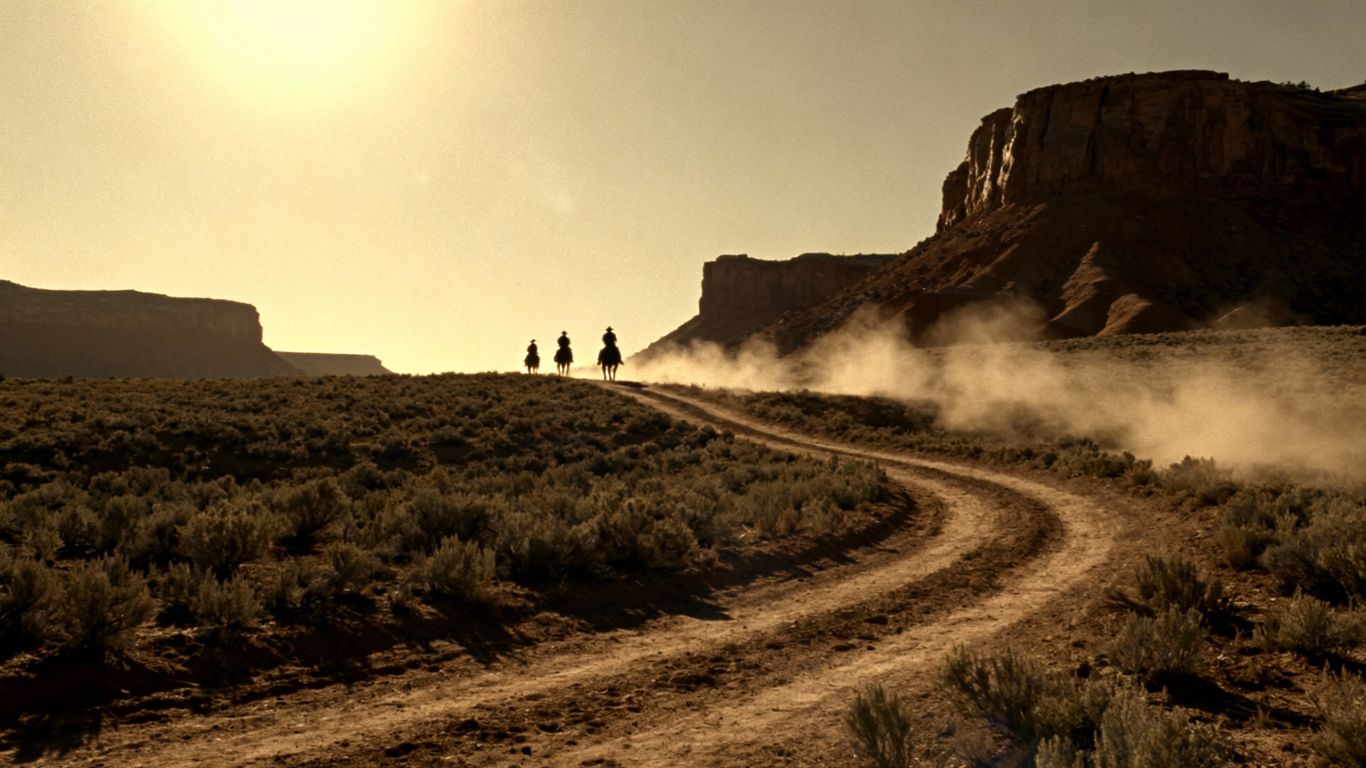
The American West has always held a certain magic, hasn't it? Stories of cowboys, rugged landscapes, and the constant struggle for survival have captivated folks for ages. While movies and TV shows have brought many of these tales to life, there's something special about diving into the best westerns novels. These books let you really get lost in the grit and adventure of the frontier. I've put together a list of some top-notch westerns that are definitely worth your time if you're looking for an unforgettable read. Key Takeaways Western novels offer a unique window into the spirit and challenges of the American frontier. From epic journeys to tales of vengeance, these stories capture the essence of the Old West. Many classic westerns feature complex characters and compelling narratives that have stood the test of time. The genre encompasses a wide range of stories, including adventure, romance, and historical accounts. Exploring these best westerns novels provides a rich literary experience for any reader. 1. Lonesome Dove Oh, where to even begin with Lonesome Dove ? Larry McMurtry, what a storyteller. This book isn't just a Western; it's an absolute epic, a sweeping saga that pulls you right into the dust and grit of the American frontier. It follows two old Texas Rangers, Gus McCrae and Woodrow Call, on this incredible cattle drive all the way from Texas to Montana. You'll get so attached to these characters, Gus with his easy charm and Woodrow with his stoic determination. Their friendship, their adventures, and yes, even their heartbreaks, are just so real. What makes Lonesome Dove stand out is its sheer scope and the depth of its characters. McMurtry paints such a vivid picture of the West, not just the landscapes, but the people and their struggles. It's a story about freedom, about the end of an era, and about the bonds that tie us together, even when we're miles apart. This novel is a true masterpiece, a journey that stays with you long after you've turned the last page. It captures the spirit of the West like nothing else. It's no wonder this book snagged a Pulitzer Prize. It's got everything: adventure, a touch of romance, profound moments, and characters you'll swear you know personally. If you're looking for a Western that will truly move you and give you a taste of the cowboy life, this is it. Seriously, if you read only one Western, make it this one. And hey, if you're a visual person, the miniseries adaptation is pretty legendary too, with Robert Duvall and Tommy Lee Jones absolutely nailing Gus and Woodrow. 2. True Grit Charles Portis truly outdid himself with True Grit . This isn't just another Western; it's a masterclass in character and dialogue that pulls you right into the dusty heart of the 1870s. The story centers on Mattie Ross, a fourteen-year-old girl with more backbone than most adults, who sets out to avenge her father's murder. She hires the notoriously tough, one-eyed U.S. Marshal Rooster Cogburn, and together they venture into dangerous Indian Territory to hunt down the killer, Tom Chaney. What makes True Grit stand out is Portis's incredible ear for language. The dialogue crackles with wit and authenticity, making Mattie and Cogburn unforgettable. You'll find yourself chuckling at their sharp exchanges even as you're on the edge of your seat. It’s this blend of grit, humor, and a surprisingly strong young female lead that sets it apart from so many other tales of the West. The journey is perilous, the characters are flawed, and the landscape is unforgiving, but through it all, Mattie's unwavering determination shines. It’s a powerful reminder that courage comes in all sizes and ages. This novel has inspired not one, but two fantastic film adaptations, proving its enduring appeal. But trust me, reading Portis's original words is an experience all its own. You get the full, unvarnished story, told through Mattie's unique and captivating voice. It’s a story that sticks with you, long after you’ve finished the last page. 3. Riders of the Purple Sage Alright, let's talk about Zane Grey's "Riders of the Purple Sage." If you're looking for the book that pretty much wrote the rulebook for Westerns, this is it. Grey was a pioneer, a true architect of the genre, and this novel is his masterpiece. Set against the stunning, rugged backdrop of Utah, it throws you right into the thick of it with gunfighters, a gripping romance, and a fight for survival that feels as real today as it did when it was first published. This is the cowboy book that literally defined the Western genre. It’s got all the classic elements you crave: the lone gunslinger, the breathtaking landscapes, and action that keeps you on the edge of your seat. What sets it apart is Grey's incredible talent for description; he makes the Utah frontier come alive in a way few others can. You can almost feel the dust and smell the sagebrush. Here’s what makes "Riders of the Purple Sage" a must-read: Iconic Characters: Meet Lassiter, the mysterious gunslinger in black, and Jane Withersteen, a strong rancher facing impossible odds. Their story is unforgettable. Timeless Themes: It explores themes of justice, faith, and the clash between personal freedom and societal control, all wrapped up in a thrilling adventure. Breathtaking Scenery: Grey's descriptions of the landscape are so vivid, they become a character in themselves, adding immense depth to the narrative. This novel is a masterclass in Western storytelling. It’s got the grit, the romance, and the sheer adventure that makes the genre so enduring. Grey doesn't just tell a story; he transports you to another time and place, making you feel every moment. 4. The Way West A. B. Guthrie, Jr. truly captured the heart of the American pioneer with The Way West . This novel isn't just a story; it's an experience that pulls you right into the dust and determination of 1846. We follow Dick Summers, a wagon train pilot, as he guides a group of settlers on their arduous journey from Missouri to Oregon. Guthrie's writing is something special – it’s sensitive without being sappy, and it really shows you the highs and the crushing lows of life on the frontier. What makes this book stand out is its honest portrayal of the pioneer spirit. It doesn't shy away from the hardships, but it also celebrates the sheer grit and perseverance of the people who dared to head west. You can almost feel the wind whipping across the prairies and hear the coyotes howling at night. It’s a beautiful tribute to the vastness of the wilderness and the extraordinary folks who tried to make a life there. It offers a deeply human look at the challenges and triumphs of westward expansion. You'll get a real sense of the landscape, from the dusty trails to the wide-open skies. The characters feel incredibly real, each with their own hopes and struggles. Guthrie, Jr. masterfully blends historical detail with compelling character development, making The Way West a must-read for anyone wanting to understand the true spirit of the American frontier. 5. Hondo Prepare to be utterly captivated by Louis L'Amour's "Hondo." This isn't just another Western; it's a story that pulls you right into the heart of the Arizona Territory, just as it's on the cusp of becoming a state. L'Amour, a true master of the genre, crafts a narrative that's both rugged and deeply romantic. We follow Hondo Lane, a man who seems content with his solitary existence, until he crosses paths with Angie Lowe. She's a woman raising her son alone, and there's an undeniable spark that ignites between her and Hondo. But their burgeoning connection doesn't happen in a vacuum. The simmering tensions with the local Apache, led by the formidable Vittorio, are about to boil over, pulling Hondo and Angie into a conflict that will test their courage and their hearts. What makes "Hondo" stand out is its perfect blend of action and emotion. L'Amour doesn't just give you shootouts and dusty trails; he gives you characters you'll genuinely care about. You'll feel the heat of the desert, the tension in the air, and the pull of loyalty and love. A compelling mix of romance and frontier survival. Explores the complex relationships between settlers and Native American tribes. Features a strong, independent female character in Angie Lowe. L'Amour has a way of making the West feel so real, you can almost smell the sagebrush and feel the grit under your boots. "Hondo" is a testament to his skill, offering a story that's both thrilling and surprisingly tender. It’s a read that stays with you long after you’ve turned the final page. 6. Comanche Moon Catherine Anderson's "Comanche Moon" is a truly captivating read that pulls you right into the heart of the West. It's not just another cowboy story; it's a deeply emotional journey that explores the intense clash between settlers and the Comanche people, all wrapped up in an unforgettable love story. Anderson really knows how to paint a picture with her words, making you feel like you're right there alongside Loretta and Hunter as they navigate their complicated world. What makes this book stand out is how it handles the conflict and the characters. You get to see the struggle from both sides, and it’s done with such care that you can’t help but feel for everyone involved. The way Loretta and Hunter move from being enemies to finding respect and love is just beautifully written. It’s a powerful reminder that even in the toughest times, connection can bloom. This novel was recognized with the Romantic Times Reviewers’ Choice Award, and honestly, it’s easy to see why. It’s a story that sticks with you long after you’ve turned the last page. A compelling look at the Comanche culture and their way of life. Explores the complexities of identity and prejudice in the Old West. Features a passionate and transformative romance that defies expectations. Comanche Moon" offers a unique perspective, showing how love can be the strongest force, even when faced with war and heartache. It’s a testament to the human spirit and the enduring power of connection. 7. Pronto Elmore Leonard, a true craftsman of the written word, brings us Pronto , a novel that’s as sharp and engaging as a desert sunrise. If you’re looking for a Western that’s less about dusty trails and more about the intricate dance of characters and consequences, this is your pick. Leonard has this incredible knack for making you feel like you’re right there, privy to every sly remark and hidden motive. What sets Pronto apart is its modern sensibility wrapped in a Western package. It’s a story that feels fresh, even with its classic Western underpinnings. We follow Harry Walsh, a retired SDSU basketball coach who gets tangled up in a situation involving a book manuscript and a dangerous cartel. It’s a wild ride, full of Leonard’s signature witty dialogue and a cast of characters you won’t soon forget. This book is a masterclass in suspense and character-driven storytelling. Leonard’s prose is so clean and direct, it’s like he’s painting a picture with just a few perfect strokes. He doesn’t waste a word, and that’s part of what makes his stories so compelling. You get drawn into the lives of these people, their struggles, and their often-unconventional ways of dealing with trouble. It’s this unique blend of grit and humor that makes his work so special. The way Leonard builds tension is subtle yet powerful. He lets the characters’ actions and words speak for themselves, creating a palpable sense of unease and anticipation that keeps you glued to the page. It’s a different kind of Western, one that relies on smarts and nerve rather than just brute force. If you appreciate a story with smarts, a touch of danger, and characters who feel incredibly real, then Pronto is a must-read. It’s a fantastic example of how the Western genre can be adapted and reinvented, proving that Elmore Leonard was a true original. For more of Leonard's brilliant crime fiction, check out Fire in the Hole . 8. Northfield Johnny D. Boggs really brings history to life with "Northfield." This book dives headfirst into the infamous 1876 attempted robbery of the First National Bank of Northfield, Minnesota, by the James-Younger gang. What makes this story so captivating is how Boggs shifts perspectives, letting you hear the tale from different people involved. It’s not just about the robbery itself, but also what led up to that disastrous day and what happened afterward. Boggs has a knack for making you feel like you're right there, experiencing the chaos and the consequences. It’s a powerful look at a pivotal moment in the West, showing the human side of a legendary event. Experience the thrill of a legendary heist gone wrong. Understand the motivations and the fallout from the perspectives of those who lived it. Appreciate a well-researched and vividly told historical event. Boggs masterfully reconstructs the events, painting a picture that’s both gritty and deeply human. It’s a fantastic example of how Westerns can explore real historical moments with compelling characters and a gripping narrative. 9. Buckskin Brigades Get ready for an adventure that truly captures the spirit of the West with "Buckskin Brigades." This novel is a fantastic choice if you're looking for a story that feels authentic and full of grit. It stands out because it doesn't just tell a story; it immerses you in the time period with vivid descriptions that make you feel like you're right there on the dusty trails. The author does an amazing job of bringing the characters to life. You'll find yourself rooting for them, feeling their struggles, and celebrating their triumphs. It’s the kind of book that stays with you long after you've turned the last page. What makes "Buckskin Brigades" special is its focus on the everyday challenges and triumphs of those who lived on the frontier. It’s not just about shootouts and grand adventures, though there's plenty of excitement. It’s also about the resilience, the community, and the sheer determination it took to build a life in a wild land. If you appreciate Westerns that offer a genuine glimpse into the past, this one is a must-read. It’s a powerful reminder of the human spirit and the enduring appeal of the American West. You'll find yourself drawn into a world where survival was an art and every day was a new beginning. It’s a truly unforgettable journey into the heart of the West, offering a perspective that is both raw and deeply human. This book is a wonderful addition to any Western lover's collection, providing a rich and rewarding reading experience that is hard to find elsewhere. It’s a testament to the enduring power of storytelling and the captivating allure of the frontier. For a taste of the untamed, this is the book to pick up. It’s a story that truly embodies the spirit of the American West . 10. Wild Wild West 10th Anniversary Collection Now, let's talk about a collection that really brings the spirit of the old West to life: the Wild Wild West 10th Anniversary Collection by L. Ron Hubbard. Hubbard spent his younger years right in the heart of Montana, surrounded by the very people who would become the characters in his stories – the lawmen, the cowpunchers, the folks who lived on the edge. He even lived among the Blackfoot people, becoming a blood brother, which gave him a unique perspective you just don't find everywhere. This collection isn't just a random assortment of tales; it's a curated journey into the American frontier, showcasing stories of honor, courage, and integrity. Hubbard had a way of writing that felt incredibly real, drawing from his own experiences to create characters and situations that jump off the page. It's like he's sharing secrets from the frontier itself. What makes this collection stand out is that authentic voice. You can feel the dust of Montana, hear the creak of leather, and sense the vastness of the landscape. It's a genuine look at the West, penned by someone who truly knew it. Experience the raw authenticity of the frontier through Hubbard's firsthand knowledge. Discover tales filled with integrity and courage. Explore the lives of cowboys, lawmen, and the unique characters of the West. If you're looking for Western stories that feel like they were written by someone who lived them, this collection is a fantastic choice. It’s a real treat for anyone who loves a good Western. Your Next Adventure Awaits So there you have it – ten incredible Western novels that promise to sweep you off your feet and into a world of grit, romance, and wide-open spaces. Whether you're drawn to the dusty trails of the past or the rugged charm of its heroes, these stories offer an escape like no other. Each page turned is an invitation to experience the untamed spirit of the American West, a place where adventure and passion collide. Don't just read about it; let these tales transport you. Pick one up and let the journey begin. Frequently Asked Questions What makes Western novels so popular? Western novels often tell exciting stories about cowboys, outlaws, and life on the American frontier. They capture a sense of adventure, freedom, and the challenges of a wilder time, which really grabs readers' attention. Are Western books just about cowboys and gunfights? While cowboys and action are common, Western books explore much more. They often deal with themes like survival, bravery, finding your place, and the rugged beauty of the landscape. Some even focus on romance or historical events. What's the difference between classic and modern Westerns? Classic Westerns usually focus on the late 1800s and have a more traditional feel. Modern Westerns might update the setting or themes, offering a fresh take on the genre while still keeping the spirit of the West alive. Why should I read 'Lonesome Dove'? 'Lonesome Dove' is famous for its amazing story about two old Texas Rangers on a cattle drive. It's full of adventure, friendship, and tough choices. Many people say it's one of the best Western books ever written because of its great characters and powerful writing. Are there Western books with romance? Yes, absolutely! Many Western novels include strong romantic elements. These stories often pair tough cowboys or frontiersmen with brave women, blending adventure with heartfelt love stories set against the backdrop of the Old West. Where can I find more Western book recommendations? You can find more recommendations by looking at lists from book review sites, libraries, or online bookstores. Many authors like Louis L'Amour, Zane Grey, and Larry McMurtry are well-known for their Western stories, and exploring their works is a great start.
- The Digital Nomad's Toolkit: 10 Essential Apps for Working Abroad
So, you're thinking about ditching the office cubicle for a life on the road? That's awesome! The digital nomad life is pretty sweet, offering freedom and adventure. But let's be real, it's not all beach sunsets and cocktails. To actually get work done and not just wander aimlessly, you need the right gear. Think of it like this: you wouldn't go hiking without good boots, right? Well, you shouldn't try to work abroad without a solid set of digital nomad apps. These are the tools that keep you organized, connected, and sane, no matter where you are. I've tried a bunch, and these are the ones that have really made a difference in my travels. Key Takeaways Having the right digital nomad apps is super important for staying productive while traveling. Tools for communication, project management, and finance are game-changers for remote work. Don't forget apps that help you plan travel and connect with other nomads. Reliable internet is non-negotiable; consider solutions like eSIMs. Your personal toolkit will evolve, so pick what works best for your workflow. 1. Notion Alright, let's talk about Notion. If you're venturing out into the world with your laptop as your trusty steed, you need a digital home base, and Notion is pretty much the coolest Airbnb for your brain. It's this super flexible app that can be anything you want it to be. Think of it as a blank canvas where you can sketch out your entire life, or at least, your work life. Need a place to jot down brilliant ideas that strike at 3 AM in a bustling Moroccan souk? Notion. Want to map out your next client project like a treasure hunt with clear steps and deadlines? Notion. How about a place to keep all those random travel tips and restaurant recommendations you collect from strangers in far-flung places? Yep, Notion. This is where the magic happens: you can build your own personal operating system. It’s not just for work, either. I’ve seen people use it to plan elaborate backpacking trips, keep track of their language learning progress, or even create a digital recipe book of all the amazing local dishes they’ve tried. It’s like having a Swiss Army knife for your digital life, but way more stylish and less likely to stab you. Here’s a peek at how you might set it up: Project Hub: Create pages for each client or project, with task lists, notes, and relevant files all in one spot. No more digging through a million emails! Content Calendar: Map out your blog posts, social media updates, or video ideas. Visualize your content flow and never miss a beat. Personal Wiki: Store important information like visa requirements, emergency contacts, or even your favorite phrases in the local language. It’s your portable brain! Habit Tracker: Keep tabs on your daily routines, whether it's drinking enough water or practicing that new instrument you picked up on a whim. The beauty of Notion is its sheer adaptability. It morphs to fit your needs, whether you're a meticulous planner or someone who thrives on a bit of organized chaos. It’s the digital equivalent of finding that perfect, sun-drenched cafe with reliable Wi-Fi – a true nomad's delight. 2. Slack Ah, Slack. The digital equivalent of a bustling, yet somehow organized, town square. If your team is scattered across time zones like confetti after a particularly enthusiastic parade, this is your lifeline. Forget the endless scroll of emails that get lost faster than a sock in the dryer. Slack brings everyone together in channels, making conversations focused and, dare I say, even enjoyable. It’s where quick questions get answered, where inside jokes are born, and where you can share that hilarious meme that perfectly captures your team's current project mood. It’s the glue that holds your remote work family together, no matter how many oceans lie between you. Think of it as your virtual office's water cooler, but with way better organization. You can create channels for specific projects, clients, or even just for sharing pictures of your exotic lunch views. It cuts down on those 'reply all' nightmares and makes finding information a breeze. Plus, the integrations are pretty sweet – connect it to your other favorite apps and watch your productivity soar. Slack is more than just a chat app; it's a culture builder. It allows for spontaneous interactions that can spark creativity and strengthen bonds, making you feel connected even when you're thousands of miles apart, sipping coffee in a Parisian café or watching the sunset from a beach in Thailand. 3. Trello Okay, let's talk about Trello. If your brain feels like a tangled ball of yarn with project ideas, client tasks, and that nagging reminder to buy more sunscreen, Trello is your new best friend. It’s this super visual app that lets you create these boards, which are basically like digital whiteboards. On those boards, you make lists – think 'To Do,' 'Doing,' and 'Done' – and then you pop little cards into those lists for each task. You can move them along as you get stuff done, and it’s so satisfying to drag that card from 'To Do' all the way to 'Done.' Seriously, it’s like playing a game where you actually win by being productive. You can add checklists, due dates, and even little notes to each card. It’s perfect for keeping track of client projects, planning out your next big adventure, or even just remembering to water your sad-looking desk plant. It makes the chaos of juggling multiple projects feel… well, less chaotic. Here’s a peek at how you might set up a board for your next trip: Destination Research: Cards for 'Best beaches,' 'Visa requirements,' 'Must-try local food.' Travel Logistics: Cards for 'Book flights,' 'Find accommodation,' 'Pack essentials.' Work Tasks: Cards for 'Client A project deadline,' 'Client B follow-up,' 'Blog post ideas.' Trello is like having a magic bulletin board that travels with you. You can stick notes, photos, and to-do lists all over it, and then rearrange them with a flick of your finger. It’s simple, it’s colorful, and it actually makes organizing feel fun, not like a chore. Plus, you can share boards with friends or colleagues, so everyone’s on the same page, even if they’re on a different continent. 4. Google Workspace Okay, let's talk about the digital Swiss Army knife: Google Workspace. Seriously, if you're going to be flitting around the globe, you need a reliable way to get stuff done, and this suite of tools is pretty much the backbone of modern remote work. Think of it as your portable office, but way cooler and without the stale coffee smell. We're talking about Docs for writing those important client proposals (or just your grocery list), Sheets for crunching numbers that would make a spreadsheet weep, and Drive for keeping all your precious files safe and sound in the cloud. It's like having a magic filing cabinet that you can access from a beach in Thailand or a cozy cafe in Paris. Plus, the collaboration features are a lifesaver. Being able to edit a document with someone on the other side of the planet in real-time feels like a little bit of magic, honestly. Here's a quick rundown of why it's so handy: Google Docs: Your go-to for anything text-based. From drafting emails to writing that novel you've been dreaming up, it's all here. And yes, you can totally use it offline if you download documents beforehand – perfect for those long flights. Google Sheets: Need to track expenses, plan a budget, or manage a project timeline? Sheets has got your back. It's surprisingly powerful for something so accessible. Google Drive: This is where everything lives. Upload, organize, and share files with ease. It's your digital passport for all your important work stuff. Google Meet: Forget clunky video calls. Meet makes connecting with clients or your team feel almost like you're in the same room, even if you're thousands of miles apart. The beauty of Google Workspace is its integration. Everything talks to each other. You can link a Sheet from a Doc, share a file from Drive directly into an email, and schedule a Meet call all within minutes. It cuts down on so much friction, letting you focus on the actual work, not the administrative circus. Honestly, trying to manage projects and communicate without these tools would be like trying to cook a gourmet meal with just a spork. It's possible, but why would you? It's the kind of reliable tech that lets you focus on the adventure, knowing your work is covered. You can find out more about how these tools can help with your travel plans . 5. Zoom Ah, Zoom. The digital equivalent of a cozy coffee shop meeting, but with way better lighting (usually). When you're hopping between time zones, trying to explain a complex idea to a client in Tokyo while your dog barks at the mailman in Bali, Zoom becomes your lifeline. It’s how you keep that human connection alive, even when you’re thousands of miles apart. Think of it as your portable office window. You can beam your smiling face (or your best 'I'm concentrating' face) directly into someone else's day, no matter where they are. It’s pretty magical, really. Here’s why it’s a must-have: Client Meetings: Impress them with your professional setup, even if it's just a clean corner of your Airbnb. Team Syncs: Keep your remote team feeling like a team, not just a collection of avatars. Virtual Coffee Breaks: Sometimes, you just need to see a friendly face and chat about something other than work. It’s the glue that holds your remote work relationships together, making sure no one feels completely adrift in the digital sea. Sure, sometimes the internet connection gets a bit wobbly, and you might end up with a pixelated face that looks like a glitchy alien. But hey, that’s part of the adventure, right? It’s all about adapting and keeping the conversation flowing. Plus, the ability to share your screen means you can actually show people what you mean, which is way better than trying to describe it over a crackly phone line. It’s a tool that helps bridge the gaps, not just geographically, but also in understanding. You can even use it to connect with people back home, sharing your exotic adventures in real-time. It’s a fantastic way to maintain those important connections, whether for work or personal reasons . 6. WhatsApp Okay, let's talk about staying connected when you're out there, chasing sunsets and deadlines. You absolutely need WhatsApp. Seriously, it's like the universal language of 'I'm still alive and can you send me that file?' It's how you'll be chatting with clients, making sure your family knows you haven't been eaten by a rogue llama, and coordinating meetups with fellow wanderers you've just met. Think of it as your digital lifeline. You can send messages, make voice or video calls, and share all those ridiculously beautiful photos of your current view. And the best part? It uses your data, so you're not racking up international phone bills that would make your bank account weep. It's pretty much the standard for quick chats and keeping in touch without costing a fortune. Plus, creating group chats for your new travel buddies or a project team scattered across continents is a breeze. It really helps keep everyone in the loop, no matter the time difference. WhatsApp is the digital nomad's equivalent of a postcard, but instant and with video. It bridges the miles with simple taps and swipes, making the world feel a little smaller and a lot more connected. Need to send a quick update to your boss from a beach in Thailand? WhatsApp. Want to share a funny meme with your best friend back home? WhatsApp. Trying to figure out where the group is meeting for dinner in Lisbon? You guessed it, WhatsApp. It's simple, it's reliable, and it's probably already on your phone. If not, download it. Now. You can even use it to find out about local cybersecurity tips if you're worried about staying safe online while traveling. It's that versatile! 7. Wise Okay, let's talk about money. Because as much as we love the romance of working from a beach in Thailand or a cafe in Lisbon, we still need to, you know, eat . And pay for that beach hut. This is where Wise, formerly TransferWise, swoops in like a financial superhero. Forget those soul-crushing bank fees that eat into your hard-earned cash like a hungry seagull at a picnic. Wise is all about transparent, low fees for international money transfers. It’s like they actually want you to keep more of your money, which is a novel concept, right? You can also hold money in different currencies, which is super handy when you're hopping between countries. It makes managing your finances across borders feel less like a chaotic scavenger hunt and more like a well-planned adventure. Here’s why it’s a lifesaver: Super low fees: Seriously, compare them to your bank. You'll probably cry a little. Real exchange rates: No sneaky markups here. You get the rate you see. Multi-currency accounts: Hold and spend in loads of different currencies without losing money on conversions. Easy to use: The app is pretty straightforward, even if you’re not a finance whiz. Honestly, trying to manage money internationally without an app like Wise is like trying to navigate a new city without a map – you'll eventually get there, but it's going to be a lot more stressful and you'll probably end up somewhere you didn't intend to go. It’s the kind of tool that lets you focus on the exciting parts of being a digital nomad – the new cultures, the amazing food, the breathtaking views – instead of worrying if you're getting ripped off every time you move money. It’s a small piece of financial peace in a big, beautiful, sometimes confusing world. Check out the Wise official site for more on how they make international money transfers a breeze. 8. Skyscanner Ah, Skyscanner. The siren song of affordable flights, calling you to far-flung shores and exotic locales. If your heart beats for adventure and your wallet whispers sweet nothings about saving money, this is your digital compass. Forget endlessly scrolling through airline sites; Skyscanner is like having a magic carpet that searches all the skies for the best deals. It's the thrill of the hunt, but instead of a dragon's hoard, you're after a ridiculously cheap ticket to that place you've only dreamed of. Seriously, this app can turn a 'maybe someday' trip into a 'book it now' reality. Here's why it's a nomad's best friend: Global Search: It scours hundreds of airlines and travel agents, so you're not missing out on any hidden gems. Think of it as your personal travel agent, but without the awkward small talk. Flexible Dates: Not tied down to a specific day? Skyscanner's 'whole month' or 'cheapest month' features are pure gold for finding those unbelievable off-peak fares. Price Alerts: Set up notifications for your desired routes, and Skyscanner will ping you when the price drops. It's like getting a secret message from the travel gods. Sometimes, the biggest adventure isn't the destination itself, but the journey of finding your way there. Skyscanner makes that journey a whole lot more exciting and a lot less painful on the bank account. It’s the spark that ignites the next chapter of your nomadic story. So, whether you're dreaming of sipping mint tea in Marrakech or hiking through the rice paddies of Vietnam, let Skyscanner be the wind beneath your wings. Just be warned: you might end up booking more trips than you can afford, but hey, that's the price of freedom, right? 9. Nomad List Okay, so you've got your work sorted, your flights booked, and your bags are practically packed. But where are you actually going to go? This is where Nomad List swoops in, like a digital guardian angel for your wanderlust. Think of it as the ultimate cheat sheet for finding your next exotic home base. It's packed with juicy details on cities around the globe, from the cost of living (because, let's be real, we're not made of money) to the all-important internet speed (no one likes a buffering beach view). You can even see how safe a place is and what the general vibe is like. It's like having a crystal ball that shows you the perfect spot to sip your coffee while crushing your deadlines. Here's a peek at what you'll find: Cost of Living: From budget-friendly havens to places where you can splurge a little. Internet Speed: Because a slow connection is the ultimate buzzkill. Quality of Life: Think weather, safety, and general happiness levels. Community: See where other nomads are hanging out and connect with them. Seriously, if you're staring at a map and feeling overwhelmed, Nomad List is your new best friend. It takes the guesswork out of finding that magical place where work feels less like work and more like an adventure. Plus, it's a fantastic way to connect with other nomads. You can find forums and groups to ask all your burning questions, share tips, and maybe even find a travel buddy or two. It’s a whole community waiting to welcome you to the wild, wonderful world of remote work abroad. 10. Evernote Okay, let's talk about Evernote. If you're anything like me, your brain is a chaotic whirlwind of brilliant ideas, grocery lists, and that one song you can't get out of your head. Evernote is basically a digital filing cabinet for all that glorious mess. Think of it as your personal scrapbook for the world, but way more organized and less likely to get water-damaged on a beach. This app is your go-to for capturing anything and everything. Got a sudden flash of inspiration at 3 AM in a bustling Bangkok market? Jot it down. Found an amazing article about remote work strategies while sipping coffee in a Lisbon cafe? Clip it. Need to remember the name of that incredible street food vendor in Mexico City? Save it. Evernote is where your fleeting thoughts go to live forever (or at least until you delete them). It’s super handy for keeping track of travel plans, too. You can create separate notebooks for different trips, stuffing them with hotel confirmations, potential itineraries, and even photos of dishes you want to try. It’s like having a digital travel journal that syncs across all your devices, so you never lose that spark of wanderlust. Here’s a little peek at how I use it: Trip Planning: Separate notebooks for destinations, filled with links, notes, and booking details. Idea Capture: A catch-all notebook for random thoughts, business ideas, and creative sparks. Research Hub: Saving articles and web pages related to digital marketing or new destinations. Personal Notes: Journaling, habit tracking, or just random musings. Sometimes, the simplest tools are the most powerful. In a world of fancy new apps popping up every week, Evernote remains a steadfast companion for anyone who needs to remember things. It’s not flashy, but it gets the job done, and that’s what we need when we’re out there exploring the globe. So, What Now, Globe-Trotter? Alright, you've got the digital keys to the kingdom! Armed with these apps, you're basically a superhero of the remote work world, ready to conquer deadlines from a hammock in Bali or a cafe in Rome. Remember, this whole nomad thing is a wild, beautiful ride. It's about more than just your laptop; it's about the stories you'll collect, the people you'll meet, and the sheer joy of figuring it all out. So go ahead, download those apps, pack that bag, and let the adventure begin. Your next exotic office awaits! Frequently Asked Questions What are the most important apps for someone just starting as a digital nomad? When you're new to the digital nomad life, focus on apps that help you communicate, manage your work, and handle money. Think of tools like Slack for talking to your team, Notion or Trello for keeping your projects in order, and Wise for sending and receiving money in different currencies. Also, make sure you have a good way to get online, like an eSIM service. How can an eSIM make my work easier when I'm traveling? An eSIM is super helpful because it gives you internet right when you arrive in a new country. You don't have to waste time looking for Wi-Fi or buying a local SIM card. This means you can start working right away, join meetings, and use your online tools without any delays. Are there apps that can help me find places to work from? Yes, there are! Apps like Nomad List can show you the best cities for digital nomads, giving you info on things like how much it costs to live there and how good the internet is. Other apps can help you find cool cafes or co-working spots where you can get work done. How can I manage my money when I'm working in different countries? Handling money abroad can be tricky, but apps like Wise are great for sending money internationally with low fees. They let you hold different currencies, making it easier to get paid and pay for things without losing money on exchange rates. What apps are good for staying in touch with my team or clients? For keeping in touch, tools like Slack are fantastic for team chats, while Zoom is perfect for video calls and meetings. WhatsApp is also great for quick messages and calls, especially when you have a good data connection from an eSIM. How do I avoid feeling lonely when I'm traveling and working alone? Loneliness can be a challenge, but there are apps and communities designed to help. Websites like Nomad List have forums where you can connect with other nomads. Joining local meetups or online groups related to your interests can also be a great way to meet new people.
- How to Talk About Your Sexual Desires Without the Awkwardness
Talking about sex can feel like walking a tightrope – one wrong move and you're tumbling into awkwardness. Whether it's expressing what you really want or just getting comfortable with the topic, it's a common hurdle for many couples. But here's the thing: open communication is like the secret sauce for a great sex life. It's not always easy, and it might feel a bit weird at first, but learning how to communicate sexual desires is totally doable. Think of it as a skill you can build, just like anything else. We'll break down how to make these conversations less cringe and more connection. Key Takeaways Start small by sharing compliments or sexy thoughts before things get heated. Be authentic and talk about what you genuinely feel and experience in the moment. Use your senses to describe what you're feeling, seeing, and hearing to increase arousal. Make it a two-way street by asking your partner what they like and want to hear. Embrace the awkward moments; laughter and regrouping can actually strengthen intimacy. Unlocking Your Inner Siren: Expressing Your Deepest Desires Alright, let's talk about turning up the heat. You know that little spark, that flicker of longing you feel when you're with your partner? It's time to let that spark ignite into a full-blown flame. Expressing your deepest desires isn't just about getting what you want; it's about building a deeper connection, a shared intimacy that makes everything feel more electric. Think of it as giving your partner a secret map to your pleasure zone. And honestly, who wouldn't want that? Whispering Sweet Nothings: The Art of Subtle Seduction Sometimes, you don't need to shout your desires from the rooftops. A well-placed whisper, a suggestive glance, a text that arrives just when they're thinking about you – these can be incredibly potent. It's about planting seeds, creating anticipation. Instead of a grand declaration, try something like, "I can't stop thinking about what we did last night," or "You looked so good when you walked out of the shower this morning." These little breadcrumbs let your partner know they're on your mind, and they set the stage for more. Start with compliments that focus on their actions: "I love the way you touch me right there. Use suggestive texts during the day: "Counting down the minutes until I see you tonight." Incorporate sensory details: "Your skin feels amazing against mine." Building this kind of communication takes practice, but it’s about making your partner feel seen and desired in the everyday moments, not just when the lights are low. From Fantasy to Foreplay: Voicing Your Wildest Dreams Okay, so you've dipped your toes in the water with subtle hints. Now, let's dive a little deeper. Your fantasies are a part of you, and sharing them can be incredibly arousing for both of you. It’s not about demanding anything; it’s about inviting your partner into your inner world. Think about what truly turns you on. Is it a specific scenario? A certain type of touch? Don't be afraid to get a little more specific. You might say, "I've been dreaming about you doing X to me," or "I really want to try Y tonight." This kind of openness can be a huge turn-on and opens up a whole new avenue for exploring your connection . The Power of the Pause: When Silence Speaks Volumes Sometimes, the most seductive thing you can do is not say anything at all. A lingering gaze, a slow touch, a held breath – these non-verbal cues can build incredible tension and desire. It's about letting your body do the talking. When you're in the moment, and you feel that surge of wanting, sometimes just looking at your partner with pure, unadulterated desire is more powerful than any words. Let the anticipation build. Let the silence hum with unspoken needs. It’s a different kind of language, one that speaks directly to the primal parts of us, and it can be incredibly effective in setting the mood for intimacy. Beyond the Bedroom: Cultivating Intimacy Through Conversation So, we've talked about whispering sweet nothings and maybe even shouting your wildest fantasies from the rooftops (metaphorically, of course). But what happens when the lights are off, and you want to keep that spark alive between the sheets? It’s all about the chat, baby. Seriously, the conversations you have outside of the bedroom are just as important, if not more so, for building a truly connected sex life. It’s where you lay the groundwork for trust, understanding, and, let's be honest, some seriously good times. Setting the Mood for Meaningful Dialogue Forget trying to have a deep heart-to-heart right after a tense work call or when you’re both exhausted. That’s a recipe for disaster, not connection. You need to pick your moments. Think cozy evenings, a relaxed weekend morning, or even during a quiet drive. The goal is to create a space where you both feel safe and unhurried. Start with something light, maybe a compliment about their day or a shared memory. The idea is to ease into it, not ambush them with your deepest desires the second they walk in the door. It’s about building a comfortable rhythm, like warming up before a workout . From 'I Feel' to 'We Feel': Building Bridges of Desire This is where the magic really happens. Instead of just stating what you want, try to frame it in a way that includes your partner. It’s not about demands; it’s about shared exploration. Use “I” statements to express your feelings and desires, but then open the door for their input. For example, instead of saying, “You never initiate,” try, “I feel really desired when we initiate things together, and I’d love to explore that more with you.” This shifts the focus from blame to collaboration. It’s about building a shared vision of your intimacy. Here are a few ways to get started: Express appreciation: Start by acknowledging what you love about your current intimacy. “I really love how connected I feel when we cuddle after sex.” Share curiosities: Frame new ideas as questions. “I was reading about X, and it sounded interesting. Would you ever be curious to try something like that?” Discuss boundaries gently: It’s okay to say no, and it’s okay for your partner to say no. “I’m not quite ready for that yet, but I appreciate you asking. Maybe we can explore something else?” Remember, the goal isn't to have a perfect conversation every time. It's about showing up, being willing to talk, and creating a safe space for both of you to be vulnerable. Awkward silences are okay. Stumbling over words is okay. What matters is the effort and the intention behind the conversation. The Art of the Intimacy Check-In Think of this as your regular relationship tune-up. It doesn't have to be a formal, hour-long sit-down. Even 15-20 minutes once a week can make a huge difference. It’s a dedicated time to touch base about how you’re both feeling, what’s working, and what could be tweaked. You can cover everything from your emotional connection to your physical intimacy. It’s a proactive way to address things before they become big issues. You might even schedule it in, like a standing date. This consistent communication helps keep you both on the same page and ensures that intimacy remains a priority, not an afterthought. It’s about making sure you’re both feeling seen, heard, and desired, not just in the bedroom, but in your everyday lives too. Navigating the Waters of Vulnerability and Desire Okay, let's be real. Talking about sex can feel like walking a tightrope over a pit of vipers, right? One wrong word and poof , all the magic is gone, replaced by that awkward silence that stretches for an eternity. It’s totally normal to feel a bit blushy or unsure when you’re trying to express your deepest, wildest desires. We weren't exactly taught this stuff in school, and let's face it, society often tells us to keep our sexual thoughts on the down-low. But here's the secret: vulnerability is actually super sexy. When you dare to be open about what turns you on, what you crave, and even what makes you a little nervous, you're building a deeper connection. It’s about showing your partner your authentic self, the parts that make you tick, and trusting them with that intimacy. This isn't about putting on a show; it's about finding your own unique voice and sharing it with someone you trust. It’s okay if it feels a little clumsy at first. The goal isn't perfection, it's connection. Embracing the Blush: When Awkwardness Becomes Alluring That little flush you get when you talk about something steamy? It’s not a sign you’re doing it wrong; it’s a sign you’re alive and feeling it. Instead of running from that feeling, lean into it. Think of it as a little spark that can ignite more passion. When you can admit, “Wow, I’m a little nervous saying this, but…” it actually makes you more human and relatable. It shows your partner you’re putting yourself out there, and that takes guts. This kind of openness can be incredibly alluring because it signals trust and a willingness to be seen, flaws and all. It’s about turning those moments of potential embarrassment into opportunities for shared laughter and deeper intimacy. Remember, your partner might be feeling just as awkward, and seeing you navigate it with a little humor can give them the courage to do the same. Turning Shame into Seduction: Reclaiming Your Sexuality Sometimes, past experiences or ingrained beliefs can make us feel ashamed of our desires. Maybe you grew up hearing that talking about sex was dirty or wrong. It’s time to ditch that script. Your sexuality is a part of you, and it deserves to be explored and celebrated, not hidden away. Reclaiming it means acknowledging those feelings of shame or fear without letting them control you. It’s about understanding where they come from and actively choosing to replace them with confidence and self-acceptance. Think about what truly excites you, what makes your body hum, and start to own that. This isn't about performing for anyone; it's about giving yourself permission to feel good and express what you want. When you start to see your desires not as something to be embarrassed about, but as a source of pleasure and connection, you transform shame into a powerful form of seduction. It’s about owning your sensuality and letting it shine. The Confidence to Ask: What You Truly Crave Asking for what you want can be one of the scariest, yet most rewarding, things you can do in a relationship. It requires a certain level of self-awareness and courage. Start by getting clear on your own desires. What actually turns you on? What fantasies have you been curious about? What makes you feel most desired? Sometimes, just writing these things down can be a helpful first step. Then, practice asking for small things. It doesn't have to be a grand declaration of your deepest fantasies right away. You could start with something like, “I really love it when you touch me like this,” or “Could we try…” The more you practice asking, the more confident you’ll become. Remember, your partner can’t read your mind, and they likely want to know how to please you. Giving them that information, kindly and clearly, is a gift. It opens the door for mutual exploration and ensures that your intimate moments are more fulfilling for both of you. It’s about building a shared language of pleasure, one honest conversation at a time. If you're finding it tough to start these conversations , remember that small steps lead to big changes. The Language of Lust: Finding Your Unique Voice So, you want to spice things up, but the thought of actually saying something sexy makes your palms sweat? Yeah, I get it. It’s like standing on the edge of a diving board, knowing the water’s great, but that first leap feels… well, terrifying. Most of us weren't exactly taught how to talk about sex in school, or even at home, for that matter. It’s this big, mysterious thing, and suddenly you’re supposed to have this whole vocabulary for it? It’s enough to make anyone feel a bit silly. But here’s the thing: your sex life doesn’t have to be a silent movie. Finding your own way to express desire is actually a huge part of what makes intimacy so hot. It’s not about sounding like some porn star or reciting lines from a cheesy romance novel. It’s about finding what feels real and good for you and sharing that with your partner. Ditching the Script: Authenticity in Every Word Forget trying to be someone you’re not. The sexiest thing you can do is be yourself, just… a little more vocal about what turns you on. Think about what genuinely makes your heart race or your skin tingle. Is it the way your partner looks at you? The sound they make? The specific way they touch you? Start there. Instead of aiming for grand pronouncements, try something simple and honest. Maybe it’s a whispered, "I love when you do that," or a husky, "You feel so good right now." These little bits of realness are way more powerful than any rehearsed line. It’s about connecting with your actual feelings in the moment and letting those guide your words. This kind of honest expression can really build trust and make your partner feel seen and desired. Sensory Overload: Engaging All the Right Senses Words are great, but sometimes, tapping into our senses can make expressing desire feel a lot more natural. What do you see, hear, smell, taste, or feel? Describing these sensations grounds you in the moment and amps up the arousal for both of you. Try focusing on what’s happening right now. You could say, "You smell amazing," or "I love the sound you make when I touch you there." Or maybe it’s about what you’re seeing: "Watching you undress is driving me crazy." Using sensory details makes your desire tangible and immediate. It’s like painting a picture with words, and trust me, your partner will want to step right into it. The Playful Dance of Dirty Talk Okay, so you’ve dipped your toes in. Maybe you’ve even stumbled a bit, giggled, or felt a flush creep up your neck. That’s totally normal! The goal isn’t perfection; it’s connection and pleasure. Think of it as a playful dance. You might try a few steps, your partner responds, and you move together. Don’t be afraid to ask your partner what they like to hear, too. It can be a fun game to share phrases you’ve always wanted to hear or to simply check in: "Does this feel good?" or "What do you want next?" This back-and-forth turns it into a shared experience, not a performance. Remember, even awkward moments can be endearing when you’re both in it together. It’s about finding your rhythm, your unique language of lust, and enjoying the journey. From Hesitation to Ecstasy: A Step-by-Step Guide So, you want to spice things up, but the thought of actually saying something sexy makes your palms sweat? Totally normal. Most of us weren't exactly taught how to talk about our deepest desires in school, or even at home. It feels like a big leap from quiet contemplation to vocalizing what really gets you going. But here’s the thing: it doesn't have to be a giant, awkward leap. We can break it down into manageable, even fun, steps. Think of it as a playful dance, not a high-stakes performance. The goal is to build comfort and confidence, one whispered word at a time. Starting Small: The Gentle Art of Initiation Forget diving headfirst into explicit monologues. That's a recipe for feeling like a total stranger in your own body. Instead, let's ease into it. Start with something low-pressure, something that feels true to you in the moment. This could be a text message earlier in the day, a whispered compliment as you're falling asleep, or a simple observation during a quiet moment. It’s about getting your voice used to expressing desire, without the immediate pressure of a full-on sexual encounter. Try something like, "I can't stop thinking about how good you felt last night," or "You looked incredible when you walked in earlier." These little seeds of desire help pave the way for bigger conversations later. It’s about building a foundation of open communication, which is key to any healthy relationship, and can even help improve customer experiences if you think about it in a broader sense. Building Momentum: Escalating Your Expressive Play Once you're comfortable with those initial whispers, it's time to turn up the heat just a notch. This is where you start to get a little more specific, focusing on what you're genuinely feeling and experiencing right now . Instead of trying to sound like someone from a movie, tap into your own senses and emotions. What do you love about what's happening? What feels amazing? Use descriptive language that engages your partner's senses. Think about what you see, what you hear, what you feel. For example, "I love the way your skin feels against mine," or "Hearing you sigh like that is driving me wild." This stage is about making your desires tangible and immediate, connecting your words directly to the physical sensations you're both sharing. It’s about making your partner feel seen and desired in the moment. The Sweet Spot: Finding Your Perfect Pitch This is where the magic really happens. It's about finding that balance where you feel confident and your partner feels connected and turned on. Don't be afraid to ask your partner what they like, too. Communication is a two-way street, after all. Maybe you can even make it a game: take turns sharing a phrase you'd love to hear. This takes the pressure off and builds trust. Remember, it's okay if things get a little awkward sometimes. You might laugh, you might stumble over a word – that's part of the fun! The key is to acknowledge it, maybe share a giggle, and keep going. Authenticity and connection are far sexier than perfection. When you can be vulnerable and playful together, even in those slightly clumsy moments, you create a deeper, more intimate bond that’s truly electrifying. When Words Fail: The Power of Non-Verbal Cues Sometimes, the most potent expressions of desire don't need a single word. Our bodies, our gazes, our very touch can speak volumes, creating a language of lust that bypasses the brain and goes straight for the gut. It’s a primal connection, a silent conversation that can be incredibly sexy and, dare I say, even more intimate than spoken words. The Language of Touch: A Deeper Connection Think about it. A lingering touch on the small of someone's back as you pass them in the kitchen. The way your fingers trace the line of their jaw. A gentle squeeze of the hand that says, "I'm here, and I want you." These aren't just casual gestures; they're loaded with intention. They build anticipation, a slow burn that can be far more arousing than a direct proposition. It’s about creating a physical dialogue, a back-and-forth of sensation that builds and builds. Don't underestimate the power of a slow, deliberate caress down an arm, or the way your breath hitches when their skin meets yours. This physical connection is often the first step in signaling desire, a warm invitation before any words are even considered. Eyes That Speak Volumes: The Gaze of Desire Ever caught someone's eye across a crowded room and felt a jolt? That's the power of the gaze. During intimate moments, locking eyes can be incredibly intense. It’s a direct line to someone's soul, a way to communicate raw desire without uttering a sound. Hold that gaze a little longer than usual. Let your eyes linger on their lips, their neck, their chest. A slow blink, a slight widening of the pupils – these subtle cues can convey a world of longing. It’s about making them feel seen, truly seen, in a way that’s both vulnerable and incredibly hot. Body Language as Foreplay Your entire body is a tool for seduction. The way you lean in when they speak, the subtle shift of your hips, the way you might playfully bite your lip when you're watching them. These aren't things you consciously plan, but they're signals. They communicate interest, attraction, and a readiness for more. Think about mirroring their movements slightly, or arching your back just so when they touch you. It’s a dance, a non-verbal tango that can be just as thrilling as any spoken word. It’s about being present, being aware of your own physicality, and letting your body express the desires your voice might still be hesitant to voice. So, Go Forth and Get Talking! Look, we get it. Talking about sex can feel like trying to assemble IKEA furniture without the instructions – confusing, a little frustrating, and you might end up with a wobbly result. But remember, it’s not about being perfect or saying the exact right thing. It’s about being real, being honest, and letting your partner in on what makes your world spin. Think of it as adding a little spice, a little secret language just between the two of you. So take a deep breath, maybe share a silly text first, and start building that connection. You might be surprised at how good it feels to finally say what you want, and even better when you hear what they want too. Go on, get a little bold. Your bedroom will thank you. Frequently Asked Questions Why is talking about sex so awkward for some people? It's often awkward because many of us weren't taught to talk openly about sex. We might feel shy, worry about saying the wrong thing, or have past experiences that make us uncomfortable. It's like learning a new language, and it takes practice to feel natural. How can I start talking about my desires without feeling embarrassed? Start small! You can begin with a simple compliment or a sweet text message before things get more serious. Saying something like 'I really enjoyed being with you' or 'You looked amazing today' can help you get used to expressing yourself in a low-pressure way. What if I say something silly or my partner doesn't react well? It's okay if things feel a little awkward sometimes, and you might even laugh together! If your partner doesn't react as you hoped, try not to worry too much. You can always talk about it later, maybe by saying something like, 'I felt a bit nervous sharing that, but I wanted you to know.' Honesty and a willingness to keep trying are key. How can I make talking about sex more fun and less like a chore? Make it a regular, relaxed conversation, not just when there's a problem. Try setting aside a special time to chat, maybe over a cozy dinner. Start by sharing what you love about your sex life together, and then gently bring up things you might want to explore more. What's the difference between 'dirty talk' and just talking about sex? Talking about sex is about sharing your needs, feelings, and boundaries. 'Dirty talk' is more about using words to build excitement and arousal during intimate moments. It doesn't have to be graphic; it's more about expressing what feels good and what you desire in the moment. Can talking about sex actually improve my relationship? Absolutely! Open and honest communication about sex can make you and your partner feel more connected, understood, and desired. It helps build trust and can lead to a more satisfying and exciting intimate life for both of you.
- Post Pandemic Sex Life: What Young Couple Expects For Their Sex Life After Endemic
The post-pandemic sexual life of young couples will largely be determined by how infection rates are. Many couples may find that they must wear masks or take other precautions to avoid getting infected. Road maps and rearview mirrors may need to be redesigned to account for the new restrictions on sexual behavior. New relationships may form, as partners adjust to the new circumstances. Sexual behavior may take on a different tone, as people may be more hesitant to engage in activities that could lead to infection. One quarter of all people surveyed said that their sex life had changed in some way since the pandemic started. For young people in particular, the survey found that sexual experience and distance are two key factors that have affected their sex life. Ross Dawson, a columnist for the British newspaper The Independent, has written about the potential positive changes that could come about as a result of a pandemic. He believes that the pandemic could be a catalyst for positive change, with people becoming more open-minded and accepting of different lifestyles. Some people have speculated that the pandemic could lead to an increase in sexual activity. There is no definitive answer to this question as each couple will experience the pandemic differently. However, based on the experiences of many people, it is likely that the frequency and nature of partnered sexual activities will change after the pandemic. For many people, the increased attention and concern that will be focused on health and safety may lead to a decrease in the frequency of intercourse. According to a recent Pew Research survey, a majority of adults (59%) believe that the impact of the pandemic on sex life will be "mostly negative." This is likely due to concerns over the spread of the pandemic and the possible health effects that may result from it. Additionally, many couples may be preoccupied with ensuring their safety and are less likely to engage in sexual activities than usual. However, there is some evidence to suggest that the frequency of sexual activity may not decrease after the pandemic. After the pandemic, many couples may be expecting a robust sex life, as individuals may be more stressed and mortality salient. Some couples may also be choosing to have condomless sex, as they may feel more comfortable doing so in a high-stress situation. Terror management theory may also play a role in this, as individuals may be trying to manage their existential dread by engaging in high-risk activities. Management theory may also play a role in how couples are engaging in post pandemic sex, as they may be looking to ensure their own safety and that of their partner.
- Sex Life During Pandemic: What Young Couples Say About Their Sex Life
Many couples said that during the pandemic, their sexual lives were restricted to evening activities due to restrictions put in place by public health officials. Some couples have found that using a sex therapist may have helped to boost their sexual desire and enhance their overall sex lives. Emily Jaime, a sex therapist in Houston, Texas, has seen a surge of clients in the middle of the pandemic. Ten couples of different ages and occupations participated in a Kinsey Institute study. Nearly half (47%) of participants said that their sexual lives had changed substantially since the outbreak, and almost half of these changes were negative. Changes in working patterns were the most frequently mentioned reason for the increase in sex, with almost half of couples saying that they had to work longer hours in order to make ends meet. Nearly half of participants said that since the pandemic struck, their sex lives had come to an almost halt, with just some activities being pleasurable. A separate poll from YouGov found that 47% of U.S. adults believed increased sexual activity was the result of the pandemic. The survey also found that 42 percent of Americans think that increased sexual activity is the result of people being more open-minded about sexuality. The percentage of Americans who think that increased sexual activity is a result of the pandemic is higher than the percentage of Americans who think increased sexual activity is a result of people being more open-minded about sex over the past year. The survey found that 58 percent of couples have improved their relationship quality, 51 percent of couples have improved their life quality, and 68 percent of couples have improved their romantic relationships. While the study found that relationship quality improved for 58 percent of couples, life quality improved for 51 percent of couples, and change improved for 68 percent of couples, there are still plenty of couples struggling. The study found that sexual activity improved for 54 percent of couples, relationship satisfaction improved for 53 percent of couples, emotional intimacy improved for 53 percent of couples, lower levels of distress improved for 59 percent of couples, leisure activities improved for 62 percent of couples, positive sex lives improved for 54 percent of couples, self-esteem improved for 47 percent of couples, and a partners sense of self improved for 58 percent of couples, and one partners sense of self improved for 58 percent of couples. In light of the pandemic, many couples are considering whether they are able to have sex anymore. Overall, 54% of couples said that since the start of the pandemic, they have improved in sex. Interestingly, most couples reporting improved sex lives said that they are enjoying a more active, adventurous sexual relationship. In addition, couples who report having more adventurous sex are also more likely to say their anxiety levels are lower now than when the pandemic began. When looking at particular areas of sexual life, it is clear that younger couples are prioritizing sexual activity in ways that might be unique to them.
- Spicing Up Your Sex Life: 10 New Ways to Be Intimate
Spice Things Up: 10 New Ways to Be Intimate Keeping passion alive and novelty in the bedroom requires open-mindedness and effort from both partners over time. While familiar patterns provide comfort, exploring new dimensions together deepens fun, trust and connection on emotional and physical levels. Here are some ideas beyond standard approaches to strengthen your bond through intimacy: Massage is a sublime way to mindfully focus on your partner's pleasure points through soft touch. Experiment with different massage tools and apply different pressures – from light tracing to deep kneading. Use warm coconut or almond oil infused with a few drops of essential oil like ylang ylang, sandalwood or lavender known for their relaxing, sensual properties. Take time discovering each inch of skin to new levels of relaxation and arousal. Sensory play stimulates the mind and body beyond basic optics by incorporating elements that invoke multiple senses. Try sensory items like soft furs, textured massaging tools, ice cubes that slowly melt on skin or edible body paints applied with paintbrushes. Blindfolds heighten other senses and spread awareness of every delicate caress as unexpected pleasure. Light some candles and play instrumental music to set a serene yet evocative mood as you feed natural curiosity. Role playing with costumes is a fun way to step into other personas and fantasies together that exercise your imagination. Get creative with themed outfits, wigs or accessories and play along with new scripts you improvise. Think nurse/patient, boss/secretary, or any characters who could steal a forbidden moment. Researching the roles together adds an educational dimension while allowing your true selves to surface playfully. Maintaining humor and checking in ensures comfort. Erotic photo or video shoots let you explore exhibitionism and voyeurism within committed privacy. Whether for your eyes only or potentially shared space like Snapchat, the process of dressing up, choosing locations and documenting intimacy builds confidence and play. Discuss clear rules like anonymizing faces, consent for sharing etc. and focus on empowerment through aesthetics rather than judgment. Appreciate each other's beauty in new artistic framings. Many find incorporating BDSM elements like power exchange, roleplaying or restraints adds excitement when handled consensually and with safety precautions. Do extensive research on techniques, risks, safe words and aftercare. Start gently like massages with feather-light ticklers or being briefly restrained with soft scarves allowing the submissive partner full power of safewords at all times. Discuss hard and soft limits thoroughly until comfortable experimenting further together. Sex toy play can relieve performance pressure and amplify pleasure through vibration, texture, temperature variation or double stimulation. Start with basic massagers for external use and focus on learning each other's erogenous zones first. Use toys constructed for safety like silicone, glass or metal and clean thoroughly between uses. Incorporating toys invites titillating discovery rather than replacing intimacy or human contact. Mutual masturbation provides a visual sex education as you learn hand or tongue techniques and each other's desires without direct genital contact. Using mirrors, describing sensations verbally or simply watching your partner masturbate himself adds layers of intimacy and arousal. Take requests or gently guide hands and mouths to build skill and confidence. Finishing together intensifies bonding as natural curiosity blossoms. Outdoor or semi-public quickies excite the senses with nature's beauty and elements of danger of being discovered.Scope out secluded park trails, beaches after hours or backseats with tinted windows. Plan an adventurous picnic and see where sensations overtake self-control. The passion of hidden encounters uniquely bonds you amidst life's grandeur when safely discreet and legal. Just a few stolen moments outdoors can ignite memories for private relating later. Sensual food play incorporates tastes, smells and textures through the erogenous zones. Lick, suck or trace edible items like honey, chocolate syrup, ripe fruit or whipped cream off partner's body for oral pleasure. Feed each other bites paired with deep kisses. Ensure any mess remains contained to intimate areas and clean up thoroughly to avoid chafing from excessive wetness or sticky residues longer term. Erotic risk-taking adds novelty and vulnerability when discussing hard limits first. Safewords must be respected without question if discomfort arises. Hearing intimate truths like fantasies, fond memories, past perceptions or praise can bring you closer through transparency. Trying new positions, locations or acts widens your scope when curiosity, ongoing consent and comfort remain guiding lights every step. The most intimate relationships emerge through constant discovery within clearly defined boundaries of enthusiasm, respect and care. While familiar patterns offer security, celebrating each other’s courage to experiment deepens knowing and desire over a lifetime together. Commitment to fully seeing, feeling and understanding your partner makes all intimacy fulfilling.
- Trump's Economic Policies and National Debt: A New Era of Fiscal Challenges
As President-elect Donald Trump prepares to take office again, his economic policies are under scrutiny, particularly regarding the national debt, which has soared to nearly $35 trillion. With ambitious tax cuts and a proposed new Department of Government Efficiency, the implications for the U.S. economy are significant and contentious. Key Takeaways Trump’s first term added $8 trillion to the national debt, raising concerns about fiscal responsibility. Proposed tax cuts could lead to an estimated $10 trillion in lost revenue over the next decade. The new Department of Government Efficiency, led by Elon Musk, aims to cut waste but faces skepticism about its feasibility. Economic experts suggest that without significant reforms, the national debt could lead to severe economic consequences. Trump’s Fiscal Legacy During his first term, Trump promised to eliminate the national debt but instead contributed significantly to it. The national debt now stands at approximately 100% of the U.S. GDP, raising alarms among economists and policymakers alike. The bond market's reaction to Trump's election indicates expectations of increased government deficits and debt. Proposed Tax Cuts and Their Impact Trump's campaign has included promises of sweeping tax cuts for various groups, which could result in a staggering $10 trillion in lost revenue over the next decade. This figure does not account for an additional $1 trillion in interest on the national debt, further complicating the fiscal landscape. Projected Revenue Losses:Tax cuts: $10 trillion over 10 yearsInterest on debt: $1 trillion The Republican narrative suggests that spending cuts will offset these losses, a claim that has historically proven to be overly optimistic. The Role of the New Department of Government Efficiency The newly proposed Department of Government Efficiency (DOGE), spearheaded by Elon Musk, aims to streamline government spending and eliminate waste. However, critics argue that the ambitious goal of saving $2 trillion annually is unrealistic, especially given the constraints on mandatory spending programs like Social Security and Medicare. Challenges Facing DOGE:Limited authority as an advisory commissionEthical concerns regarding Musk's involvementHistorical failures of similar initiatives Economic Strategies Moving Forward Experts suggest that Trump’s administration will need to adopt more pragmatic fiscal strategies to address the national debt effectively. Two potential policy bundles have been proposed: Bundle #1: Adjust entitlement programs and reduce non-defense discretionary spending, potentially saving $3.5 trillion over ten years. Bundle #2: Eliminate most itemized deductions and introduce a 1% value-added tax, which could generate up to $30 trillion by 2054. Appointments and Their Implications Trump has nominated Scott Bessent as Treasury Secretary and Russ Vought to lead the Office of Management and Budget. Both nominees are expected to support Trump's economic agenda, which emphasizes deregulation and tax cuts. Bessent's experience in international investment and economic strategy will be crucial as the administration navigates complex fiscal challenges. Key Appointments:Scott Bessent: Treasury Secretary nominee, known for his advocacy of lower taxes and spending restraint.Russ Vought: OMB director nominee, previously served in the same role during Trump’s first term. Conclusion As Trump prepares to take office, the economic policies he implements will have lasting implications for the national debt and overall fiscal health of the United States. With ambitious tax cuts and a focus on efficiency, the administration faces a critical challenge in balancing growth with fiscal responsibility. The coming months will be pivotal in determining the trajectory of the U.S. economy under Trump's leadership. Sources Trump’s tax cuts and Musk’s Doge show they have no idea about US debt | Jeffrey Frankel | The Guardian, The Guardian. DOGE notwithstanding, here are the 2 options Trump has to tackle the $35T national debt | Fortune, Fortune. Trump nominates Scott Bessent as treasury secretary; Russ Vought for budget office | Fox Business, Fox Business.
- Exploring the Depths: A Comprehensive Book Review Guide for Avid Readers
This guide is designed for those who love reading and want to dive deeper into the world of book reviews. Whether you're a beginner or a seasoned reviewer, you'll find helpful tips and insights to improve your reviewing skills. Discover the art of writing reviews that not only express your thoughts but also guide other readers in their choices. Let’s explore the key elements of creating a meaningful book review. Key Takeaways A book review explains what a book is about and shares your opinion on it. Good reviews help readers decide if they want to read the book or not. It's important to mix your personal thoughts with facts about the book. Different places like websites and social media are great for sharing reviews. Writing reviews can make you a better reader and writer. Understanding the Art of Book Review Defining a Book Review A book review is a critical evaluation of a book that helps readers decide if they want to read it. It usually includes a summary of the book's main points, characters, and themes. A good review gives readers a sense of what to expect without giving away too much. The Purpose of Book Reviews Book reviews serve several important purposes: They help readers choose what to read next. They provide feedback to authors and publishers. They encourage discussions about books and ideas. Elements of an Effective Book Review An effective book review should include: A brief summary of the book. An analysis of the characters and plot. A discussion of the themes and messages. In 1960, novelist and literary critic Doris Grumbach reflected on the art—and science—of book reviewing, including Catholic books. This shows that book reviews have been important for a long time, helping readers connect with literature on a deeper level. Overall, understanding the art of book review is essential for anyone who loves reading and wants to share their thoughts with others. Choosing the Right Books to Review When it comes to selecting books for review, it’s important to find ones that resonate with you. Here are some tips to help you choose: Identifying Your Reading Preferences Think about what genres you enjoy the most. Consider the types of stories that keep you engaged. Reflect on your favorite authors and their styles. Exploring Different Genres Reading across various genres can broaden your perspective. Here are some genres to explore: Fiction Non-fiction Mystery Fantasy Biography Choosing books from different genres can enhance your review skills. Selecting Books with Impactful Themes Look for books that tackle important issues or themes. This can make your review more meaningful. Here are some themes to consider: Friendship Courage Identity Social justice By following these steps, you can ensure that your book reviews are not only enjoyable to write but also valuable to your readers. Remember, the goal is to share your insights and help others discover great reads! Crafting a Compelling Book Review Writing an Engaging Introduction An introduction sets the stage for your review. It should grab the reader's attention and provide a brief overview of the book. Here are some tips: Start with a hook: a quote, a question, or an interesting fact. Mention the author and the book title. Give a short summary of what the book is about. Analyzing Characters and Plot Understanding the characters and plot is key to a good review. Consider these points: Who are the main characters? What are their motivations? How does the plot develop? Are there any twists? What makes the story unique or relatable? Discussing Themes and Messages Every book has themes and messages that resonate with readers. When discussing these: Identify the main themes: love, friendship, struggle, etc. Explain how these themes are presented in the story. Discuss the impact of these themes on the reader. By focusing on these elements, you can create a review that is not only informative but also engaging for your readers. The Role of Personal Opinion in Book Reviews Balancing Objectivity and Subjectivity When writing a book review, it's important to find a balance between objective facts and your own feelings about the book. Here are some tips to help you: Focus on the story: Talk about the plot and characters without letting your personal feelings take over. Use examples: Support your opinions with specific parts of the book. Stay respectful: Even if you didn’t like the book, express your thoughts kindly. Incorporating Personal Insights Your personal insights can make your review unique. Here’s how to include them effectively: Share your experiences: Explain how the book relates to your life. Discuss your feelings: Talk about how the book made you feel and why. Connect with the audience: Think about what other readers might feel about the book. Respecting Diverse Perspectives Every reader has a different viewpoint. It’s essential to respect this diversity: Acknowledge different opinions: Mention that others might see the book differently. Encourage discussion: Invite readers to share their thoughts on the book. Be open-minded: Understand that not everyone will agree with your review. Exploring Various Book Review Platforms In today's digital age, there are many platforms where readers can find and share book reviews. Each platform has its own unique features and audience, making it important to choose the right one for your needs. Traditional Print Media Newspapers: Many newspapers have sections dedicated to book reviews, providing insights from professional critics. Magazines: Literary magazines often feature in-depth reviews and author interviews. Journals: Academic journals may review scholarly books, focusing on research and theory. Online Book Review Communities Goodreads: A popular site where users can rate and review books, connect with other readers, and join discussions. LibraryThing: This platform allows users to catalog their books and share reviews with a community of book lovers. Book Riot: A website that offers book recommendations, reviews, and articles about reading culture. Social Media and Blogging Instagram: Many readers share their thoughts on books through posts and stories, often using hashtags like #Bookstagram. YouTube: BookTubers create video reviews and discussions about their favorite reads. Personal Blogs: Many avid readers maintain blogs where they write detailed reviews and share their reading experiences. Sources for General Book Reviews Enhancing Your Book Review Skills Developing Critical Thinking To write a great book review, you need to think deeply about what you read. Here are some ways to improve your critical thinking skills: Ask questions about the book's themes and characters. Compare the book with others in the same genre. Reflect on how the book made you feel. Improving Writing Style Your writing style can make your review more engaging. Consider these tips: Use clear and simple language. Vary your sentence lengths to keep it interesting. Add personal touches to make your review unique. Engaging with Other Reviewers Connecting with other readers can help you grow as a reviewer. Here are some ways to engage: Join online book clubs or forums. Attend local book events or readings. Share your reviews on social media to get feedback. In summary, enhancing your book review skills involves developing critical thinking, improving your writing style, and engaging with other reviewers. By following these steps, you can create reviews that are not only informative but also enjoyable to read. To get started, consider this simple guide on how to write a book review in 10 steps : Read the entire book. Take notes of key points. Give an idea of the book outline. The Impact of Book Reviews on Readers and Authors Influencing Reader Choices Book reviews play a crucial role in helping readers decide what to read next. Here are some ways they influence choices: Highlighting popular books: Reviews can bring attention to trending titles. Providing insights: They offer a glimpse into the book's content and style. Building trust: Readers often rely on reviews from others to guide their selections. Supporting Authors and Publishers Book reviews are not just beneficial for readers; they also help authors and publishers in several ways: Gaining visibility: Positive reviews can increase a book's exposure. Encouraging sales: A good review can lead to more purchases. Creating a dialogue: Reviews can spark conversations about the book, engaging a wider audience. Fostering a Love for Reading When readers share their thoughts through reviews, it can inspire others to pick up a book. This sharing creates a community of readers who: Exchange ideas: Discussing books can lead to deeper understanding. Encourage exploration: Reviews can motivate readers to try new genres. Celebrate stories: They highlight the joy of reading and storytelling. Final Thoughts In conclusion, diving into the world of books can be an exciting adventure. This guide has shown you how to explore different genres, find the right books for you, and enjoy the reading experience. Remember, every book is a new journey waiting to be discovered. So grab a book, find a cozy spot, and let your imagination soar. Happy reading! Frequently Asked Questions What is a book review? A book review is a short summary and opinion about a book. It tells readers what the book is about and whether the reviewer liked it. Why are book reviews important? Book reviews help other readers decide if they want to read a book. They also give authors feedback on their work. How do I pick a book to review? You can choose a book based on what you like to read, different types of stories, or books that have strong messages. What should I include in my book review? In your review, start with an interesting introduction, talk about the characters and story, and share the main ideas or themes. Can I share my personal thoughts in a book review? Yes! It's okay to share what you think about the book, but try to also include facts and respect other people's opinions. Where can I post my book reviews? You can share your reviews in newspapers, on websites that focus on books, or on social media and blogs.